

Published Nov 23, 2026 | 8:39 PM ⚊ Updated Nov 23, 2026 | 8:39 PM

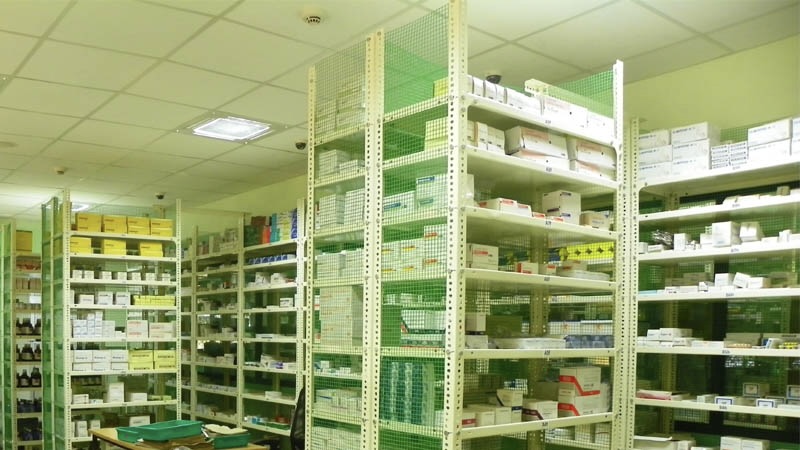
The audit also found that government hospitals had failed to maintain adequate stocks of essential medicines.

Synopsis: Andhra Pradesh has shifted government hospital medicine procurement from a three-month cycle to advance purchases covering six months after a CAG audit exposed major gaps in the supply of medicines and surgical consumables under the previous government. The State has begun a ₹275-crore procurement for January-June 2027, with the process scheduled for completion by December.
Andhra Pradesh has begun shifting government hospital medicine procurement from a three-month cycle to advance purchases covering six months after a Comptroller and Auditor General (CAG) audit exposed major gaps in the supply of medicines and surgical consumables under the previous government.
The procurement process for medicines and surgical supplies required between January and June 2027 began on 10 November, with an estimated expenditure of ₹275 crore. The State government has directed the Andhra Pradesh Medical Services and Infrastructure Development Corporation (APMSIDC) to complete the process by December.
The policy follows directions issued by Health Minister Satya Kumar Yadav on 24 July to prevent a recurrence of the shortages identified in the CAG audit of medicine purchases during 2018-22.
It will focus on assessing hospitals’ actual requirements, planning purchases in advance and ensuring timely supplies of medicines and surgical consumables.
The audit found that only around 1.5 percent of more than 600 essential and additional medicines were supplied in full against hospital requirements.
Another 6 percent were not supplied at all, while supplies of the remaining medicines ranged from 69 percent to 88 percent of the quantities required, according to the Minister’s statement.
The shortages were more pronounced in the supply of surgical items. Of the 372 items assessed, only 1.05 percent of requirements were met in full, while 8 percent received no supplies. Supplies of the remaining items ranged from 65 percent to 88 percent of requirements.
Also Read: Andhra Pradesh achieves full HPV vaccination coverage as India crosses one-crore dose mark
The audit also found that government hospitals had failed to maintain adequate stocks of essential medicines. Anantapur Government General Hospital had no stocks of 45 to 66 medicines. The corresponding figures for government hospitals in Srikakulam and Nellore ranged from 73 to 113 and 32 to 60 medicines, respectively.
The audit also exposed failures in budget utilisation and procurement planning. Around ₹391 crore allocated for purchasing medicines and surgical supplies lapsed because of delays by the previous administration.
Hospitals were preparing procurement estimates on the basis of available budget allocations rather than their actual requirements. This resulted in a mismatch between the medicines hospitals needed and the quantities supplied.
The audit further found that hospitals were not given funds to purchase urgent medicines according to local requirements. Patients consequently faced difficulties when essential drugs were unavailable.
Medical equipment procurement also suffered from inadequate planning. The report found that the absence of systematic assessments resulted in some equipment remaining unused.
It also flagged departures from the prescribed practice of purchasing medical equipment through rate contracts for specified periods. Instead, the previous government procured equipment through tenders.
(Edited by Dese Gowda)



