

Published Nov 21, 2026 | 11:22 AM ⚊ Updated Nov 21, 2026 | 11:22 AM

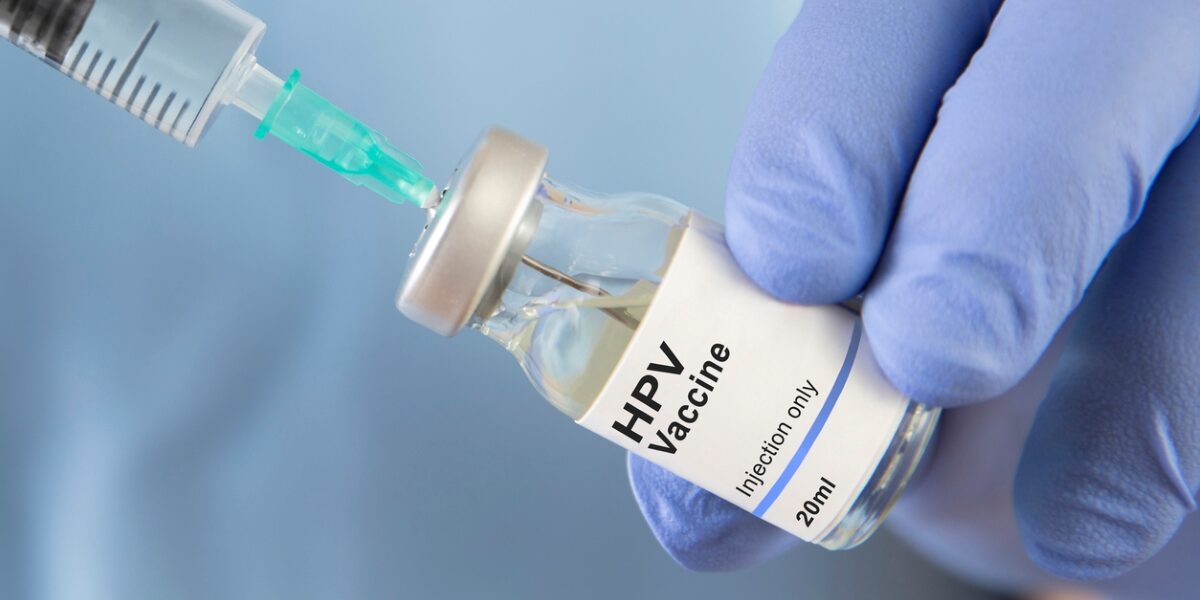
HPV Vaccine. (iStock)

Six states, including Andhra Pradesh, have achieved 100% coverage as India crossed the one-crore-dose mark for the human papillomavirus (HPV) vaccine in less than nine months under its national vaccination campaign.
Other southern states have reported varying levels of coverage. According to data released by the Union Ministry of Health and Family Welfare on November 21, Telangana has recorded 95.28% coverage, followed by Karnataka at 93.16%. Kerala has achieved 77.02% and Tamil Nadu 76.12%.
Besides Andhra Pradesh, Gujarat, Uttar Pradesh, Mizoram, Madhya Pradesh and Bihar have also vaccinated their entire target population.
The national campaign, launched by Prime Minister Narendra Modi in February 2026, provides free, voluntary, single-dose HPV vaccination to 14-year-old girls at designated government health facilities, with parental consent.
The one-crore milestone represents nearly 87% of the annual target cohort of approximately 1.2 crore girls, based on the Registrar General of India’s 2021 population estimates.
While Andhra Pradesh has completed vaccination of its identified target population, Telangana and Karnataka have also recorded coverage above 90%. Kerala and Tamil Nadu have crossed the 75% mark, with coverage at 77.02% and 76.12%, respectively.
The figures indicate differences in the pace of implementation across states, even as the national campaign expands. The Ministry attributed the progress to coordination between state governments, district administrations, healthcare professionals, frontline workers, teachers, parents and local communities.
In absolute numbers, Uttar Pradesh leads the country, with more than 29.33 lakh girls vaccinated. Bihar follows with over 13.70 lakh and Gujarat with more than 7.75 lakh.
Persistent infection with certain high-risk types of human papillomavirus is responsible for the vast majority of cervical cancer cases. HPV vaccination helps prevent infections that can lead to cervical cancer and associated precancerous conditions.
The campaign targets girls at the age of 14 to protect against potential exposure to the virus. The Ministry said more than 800 million HPV vaccine doses have been administered worldwide, with nearly two decades of scientific research and real-world experience supporting the safety and effectiveness of HPV vaccines.
Vaccination sessions are being conducted at designated government health facilities under the supervision of trained medical officers. The sites are linked to 24-hour healthcare facilities to assess and manage any rare adverse events following immunisation.
The government is also using the U-WIN digital platform to monitor vaccination in real time, track beneficiaries, identify coverage gaps and support vaccination slot bookings. Parents can use the platform to book appointments and download digital vaccination certificates.
With more than one crore doses administered, the Health Ministry said it would focus on reaching the remaining eligible girls and improving coverage across states and Union Territories.
(With inputs from Sumit Kumar Jha. Edited by R Rajesh Kumar.)



