

Published Sep 04, 2026 | 9:34 AM ⚊ Updated Sep 04, 2026 | 9:34 AM

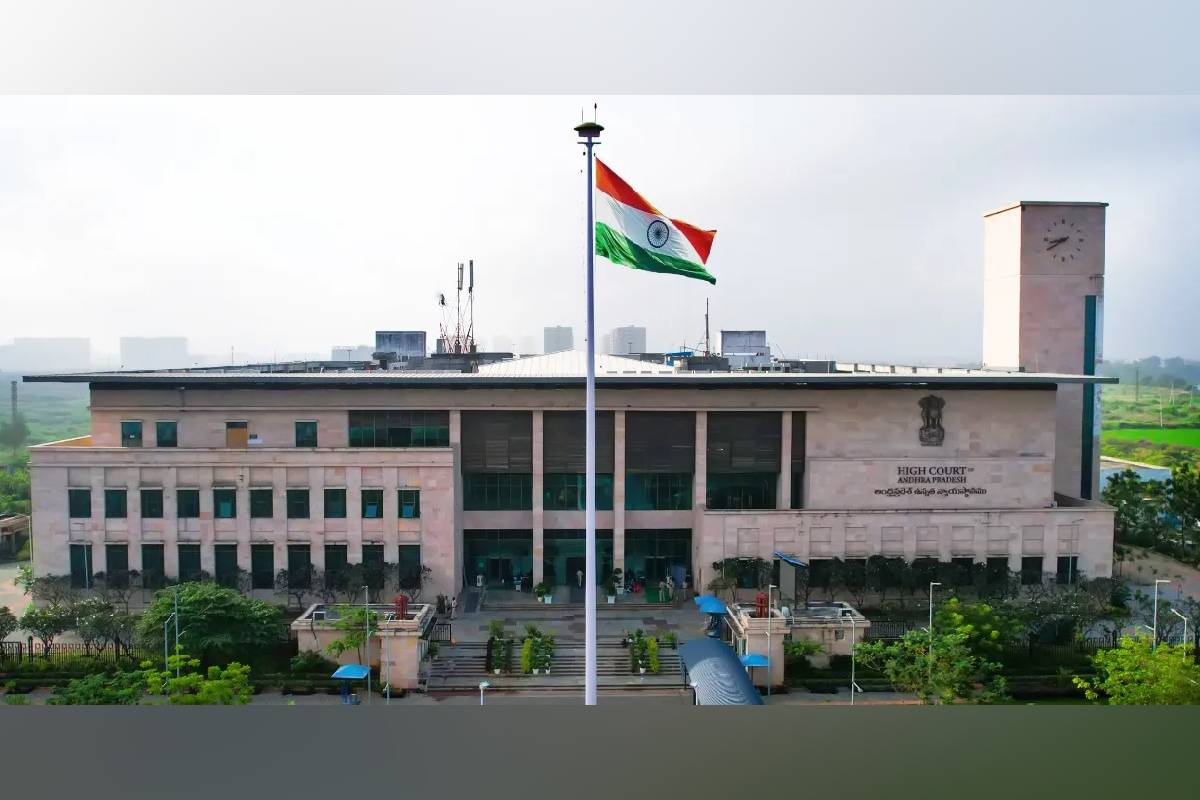
Andhra Pradesh High Court.

Synopsis: The Andhra Pradesh High Court has cleared a major hurdle to local body elections by dismissing petitions challenging ward delimitation. However, disputes over BC reservations and the ongoing revision of electoral rolls, including the deletion of nearly 44 lakh voters, could still delay the polls, which the government aims to complete by October.
The Andhra Pradesh High Court has dismissed around 50 petitions challenging the delimitation of wards and divisions in municipalities and municipal corporations, clearing a major legal hurdle to conducting the local body elections in the state.
The ruling is expected to allow the State government to resume the ward reorganisation exercise, which had been stalled for several days. However, uncertainty continues over the implementation of BC reservations and the Special Intensive Revision (SIR) of electoral rolls—two issues that could still complicate the election schedule.
The State is expected to complete the election process by the end of October, as several local bodies have been without councils for more than six months. The delay is also understood to be affecting the release of funds from the Central Finance Commission.
The government initiated the delimitation exercise to ensure that wards are more proportionate to the population. In March, it issued orders for reorganising wards in urban local bodies along the lines followed by states such as Tamil Nadu, Kerala, Telangana and Karnataka.
The Municipal Administration and Urban Development Department proposed increasing the existing 3,206 wards and divisions to 3,942.
Twenty-nine urban local bodies challenged the exercise before the HC. Dismissing the petitions, the court observed that ward delimitation would not alter the geographical character of the respective local bodies.
The court also held that ward divisions could facilitate administration relating to tax collection, development and infrastructure provision. It further clarified that the Centre’s instructions freezing administrative-unit boundaries for census purposes could not be applied to the delimitation of municipal wards.
The verdict has consequently removed one of the key legal obstacles to the local election process.
Also Read: AP Cabinet approves land pooling of 6,212 acres for Amaravati Railway Line
The electoral-roll revision process, however, continues to be contentious.
During the SIR exercise in Andhra Pradesh, nearly 44 lakh voters were identified as ineligible and removed from the rolls. The Election Commission of India has extended the deadline for completing the revision process.
The YSRCP has challenged the proposed use of the January 2026 electoral rolls for the local body elections, arguing that the deletion of a large number of voters could affect its electoral prospects.
The court has indicated that the petition would be considered along with cases concerning local elections and BC reservations.
The Election Commission (ECI) has maintained that electoral-roll revision is a continuous process and that eligible voters can be enrolled until the withdrawal of nominations. It has also said that complaints relating to wrongful deletions are being examined.
The court’s position on which electoral rolls should be used for the local elections is therefore still awaited.
The most significant issue facing the government is likely to be the proposed 34% reservation for BCs in local bodies.
The State Assembly has approved the 34% quota, while the Cabinet has decided to provide 34% reservation for BCs in rural local bodies and 33.3% in urban local bodies.
The government says the decision is based on the recommendations of a dedicated commission constituted in accordance with the Supreme Court’s “triple test” requirements for political reservations for backward classes.
However, the proposed quota could face legal scrutiny if the combined reservations for SCs, STs and BCs exceed the Supreme Court’s 50% ceiling.
Also Read: AP local body elections: Government pushes for October-end polls as YSRCP moves High Court
The government has sought to address the legal challenge by relying on empirical data collected by the dedicated BC commission on social and political backwardness.
It has also decided, based on the Advocate General’s advice, to consider the State as the unit for determining reservations for Mandal Parishad seats. The move is aimed at preventing BC reservations from being disproportionately reduced in areas with higher SC and ST populations.
The issue is particularly significant in districts where SC and ST reservations could consume a substantial portion of the 50% ceiling.
The Cabinet has also approved the introduction of a direct election system for mayors and municipal chairpersons, allowing voters to elect them directly.
Chief Minister N. Chandrababu Naidu has directed the TDP machinery to prepare for the local elections and reportedly indicated that the election notification could be issued shortly.
Following the Cabinet meeting, Naidu held a meeting with ministers and zonal in-charges to review preparations. He asked party leaders to work towards achieving better results than in the Assembly elections.
The chief minister also directed regional in-charges to submit reports on prospective candidates, political and social equations, and other factors influencing the polls.
Naidu has told party leaders that the government intends to implement BC reservations based on the 1995 BC legislation.
With ward delimitation no longer facing the same legal roadblock, attention is now shifting to BC reservations and the electoral-roll revision process. How these two issues are resolved could determine whether Andhra Pradesh is able to meet its October deadline for local body elections.
(Edited by Fayisa CA)



