To boost the farmers' confidence and check the rumour mills from going on an overdrive, the government has gone door-to-door, meeting the members of the public.
Published Dec 05, 2025 | 3:38 PM ⚊ Updated Dec 05, 2025 | 3:38 PM
Andhra Pradesh Chief Minister N Chandrababu Naidu wants Amaravati’s second phase to push the capital beyond its administrative core into buzzing economic zones.
Synopsis: The project, once envisioned as a world-class greenfield metropolis, got derailed under the YSRCP government between 2019-14. Now, Chief Minister N Chandrababu Naidu is determined to get it back on track. And, he is wasting no time.
The Andhra Pradesh government is fast-tracking the second phase of land pooling for the expansion of Amaravati, even as a mixed feeling of hope and apprehension has gripped the farmers, who form the backbone of the project.
At a Cabinet meeting on 28 November, the government cleared the decks for acquiring about 16,666 acres across seven villages adjoining Amaravati, which officials described as the capital’s “second wind.”
The project, once envisioned as a world-class greenfield metropolis, got derailed under the YSRCP government between 2019-14. Now, Chief Minister N Chandrababu Naidu is determined to get it back on track. And, he is wasting no time.
The Cabinet approval authorised the Andhra Pradesh Capital Region Development Authority (APCRDA) to swing into action, following its earlier resolutions in July and a Group of Ministers meeting on 27 November.
By Thursday, 4 December, officials had already rolled up their maps, hit the ground, and begun collecting land documents from farmers in hotspots like Endrayi village in Amaravati mandal.
The goal was to expand the 33,000-acre capital region to build out the inner ring road, commercial districts, residential clusters, and the showpiece 2,500-acre Sports City.
“This phase is the key to creating a sustainable, integrated urban ecosystem,” said Municipal Administration Minister P Narayana, pitching land pooling — where farmers give up land in return for developed plots and annuities — as the golden route to growth. Land acquisition, he warned, could drag the State into “a quagmire of litigation and heartburn”.
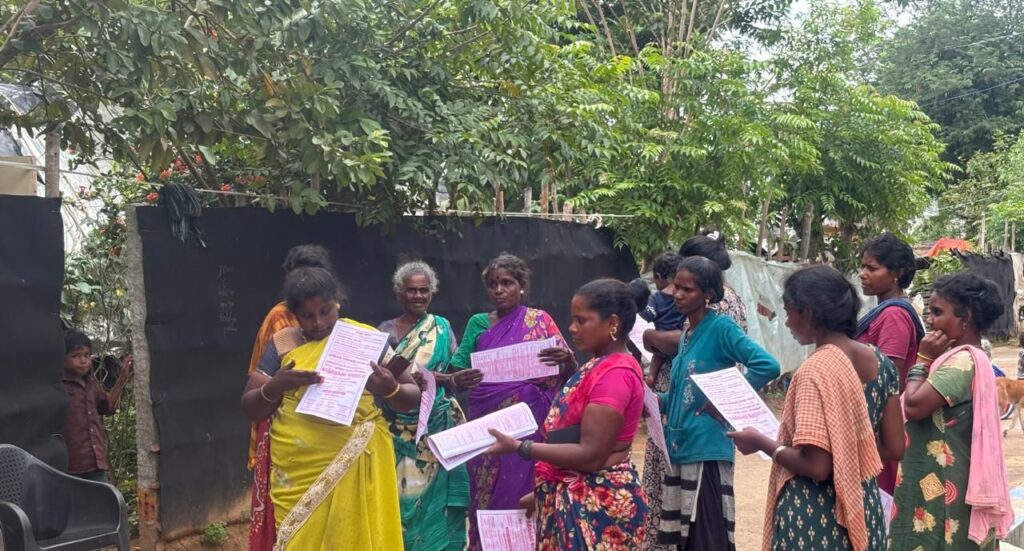
To boost confidence and check the rumour mills from going on an overdrive, the government has gone door-to-door—almost literally. On Thursday, Narayana and Pedakurapadu MLA Bhashyam Praveen led a public outreach drive in Endrayi, beginning with special pujas at the village temple.
Farmers from four revenue villages attended, hosting the leaders for breakfast at the home of a local farmer, Dharmarao.
The morning produced a symbolic moment when farmer Namburi Balaram handed over the original documents of his four acres to the Revenue Divisional Officer in the minister’s presence, a gesture officials hailed as a sign of trust.
“Farmers can approach me directly for any issues,” Narayana assured the gathering, urging them to “join hands to build a world-class capital”.
Narayana and Praveen also dangled economic carrots — higher land values, industrial inflows, and jobs. The chief minister, they said, has ordered that the first roads in the Sports City be laid on the farmers’ own returnable plots.
A proposal for capital gains tax exemptions for Land-Pooling Scheme (LPS) participants is also before the Centre, a move that could sweeten the deal just when support is most needed.


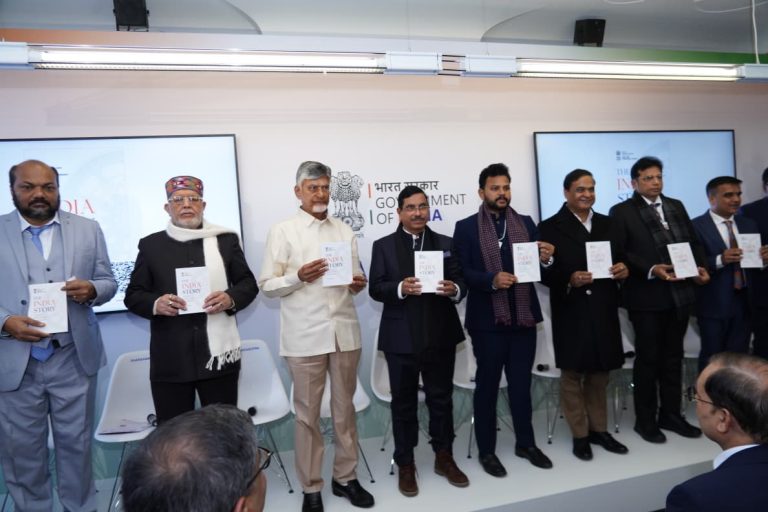
Alongside the high-octane pitch lies Naidu’s dream: Amaravati’s second phase to push the capital beyond its administrative core into buzzing economic zones.
The Sports City—intended to host Olympic-scale events—will anchor this expansion, flanked by industrial corridors, commercial hubs, and a massive afforestation drive planned for late January 2026 to boost the city’s “lung space”.
Naidu has also insisted that every building carry a distinctive, culturally infused architectural identity, with international tie-ups already in motion.
Notwithstanding the grand fanfare, ghosts of the past refuse to go quietly. Between 2019 and 2024, thousands of Phase I farmers felt short-changed when the YSRCP government abruptly decided to shift the capital plan to Visakhapatnam. Annuities stalled, plot allotments dried up, and the trust took a beating. Today, those memories remain alive.
YSRCP leaders now accuse Naidu of “deceiving farmers in the name of a world-class city”, accusing the government of employing pressure tactics to push fertile farmland into the pooling basket.
Farmer groups, too, are voicing their misgivings—demanding higher annuities (currently ₹30,000–₹50,000 per acre annually), faster allotments, and an end to the “major confusion over land records” that some fear could leave smaller landholders out in the cold.
The ruling TDP has countered them with equal vigour. Leaders like Devineni Umamaheswara Rao insist that the Opposition is “spreading fear to sabotage the capital”, arguing that over 90% of Phase I farmers benefited from soaring land values.
A recent survey by local farmer associations across the seven villages indicated that around 70% were willing to participate, but most tagged their consent with a footnote: “only with better terms”.
As notifications roll out and farmers begin lining up with documents, the government finds itself walking a tightrope—trying to strike the right balance between ambition and empathy.
Amaravati’s revival may finally be gathering steam, but the road ahead will depend on whether the State can keep farmers reassured, engaged, and firmly on board.
(Edited by Majnu Babu).