

Published Mar 04, 2026 | 8:28 PM ⚊ Updated Mar 04, 2026 | 8:29 PM

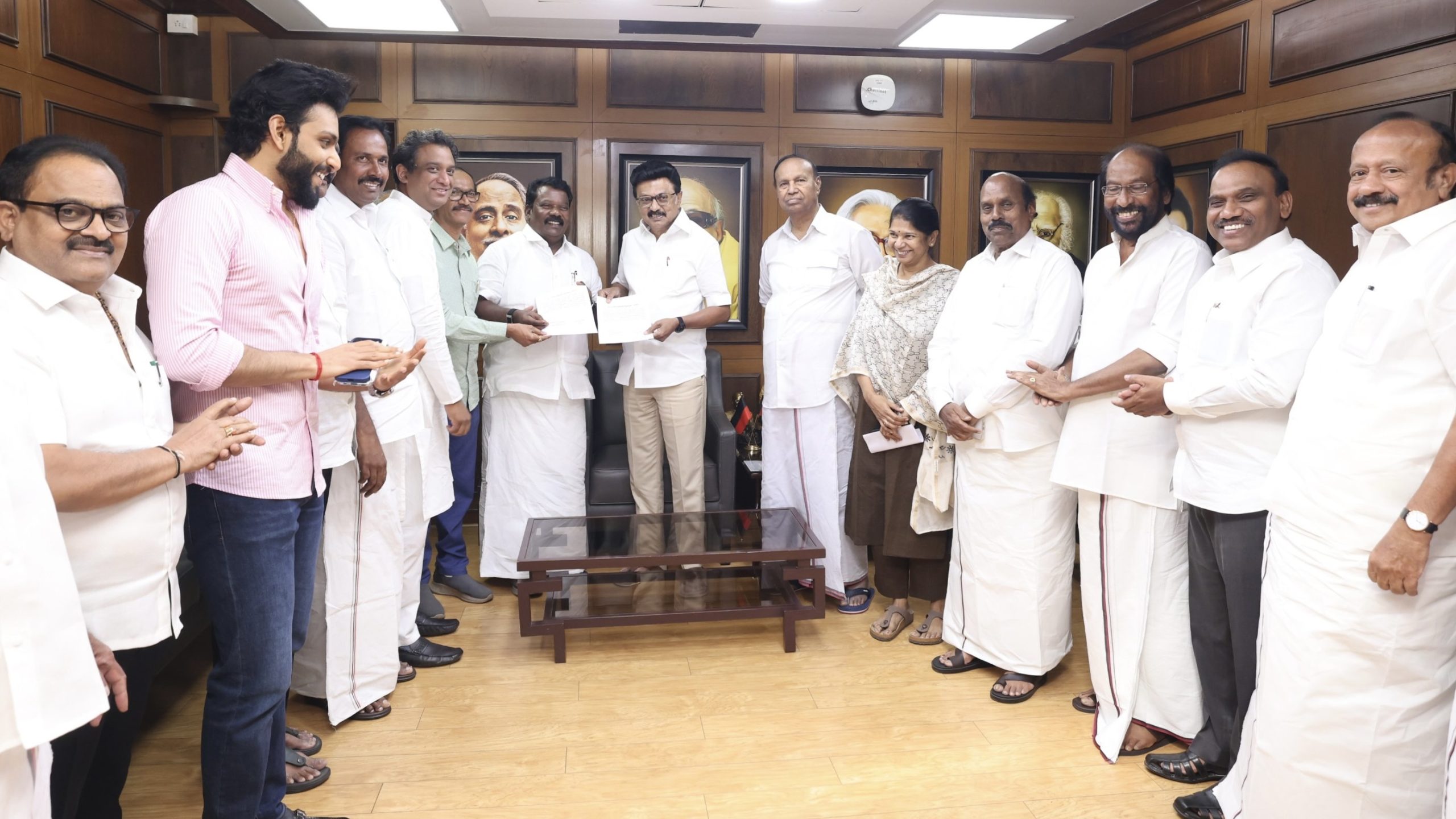
The deal ends weeks of tension between the two allies.
Synopsis: The DMK and Congress have signed a seat-sharing agreement for the Tamil Nadu Assembly elections and the biennial Rajya Sabha polls after weeks of negotiations. Under the deal, Congress will contest 28 Assembly constituencies and will receive one Rajya Sabha seat.
The DMK and Congress on Wednesday signed a seat-sharing agreement for the 2026 Tamil Nadu Assembly elections and the biennial Rajya Sabha polls.
Chief Minister and DMK president MK Stalin and Tamil Nadu Congress Committee president K Selvaperunthagai signed the agreement at Anna Arivalayam in Chennai on the evening of Wednesday, 4 March.
DMK leaders Kanimozhi Karunanidhi and TR Balu were present, along with Girish Chodankar, the All India Congress Committee’s in-charge for Tamil Nadu.
Under the agreement, Congress will contest 28 Assembly constituencies and will also receive one Rajya Sabha seat, according to Selvaperunthagai.
Speaking to reporters, he added that the Rajya Sabha candidate will be announced by the All India Congress Committee (AICC).
The deal ends weeks of tension between the two allies over seat sharing and follows a last-minute intervention by senior Congress leader P Chidambaram.
The Grand Old Party had earlier sought more than 40 Assembly seats and two Rajya Sabha nominations. The DMK had offered 25 Assembly seats and one Rajya Sabha berth, the same arrangement as in the 2021 Assembly elections.
Despite weeks of public demands, the DMK refused to budge. A section of state Congress leaders then prevailed on Leader of the Opposition in the Lok Sabha Rahul Gandhi to consider moving away from the DMK bloc in favour of alternatives ahead of the Assembly polls.
As tensions rose, South First earlier reported that former UPA chairperson Sonia Gandhi had stepped in to resolve the issue. Chidambaram met MK Stalin on Tuesday as Sonia Gandhi’s envoy to resolve the issue and reach an amicable solution.
(Edited by Dese Gowda with inputs from Subash Chandra Bose)


