

Published Mar 14, 2026 | 7:10 PM ⚊ Updated Mar 14, 2026 | 7:10 PM

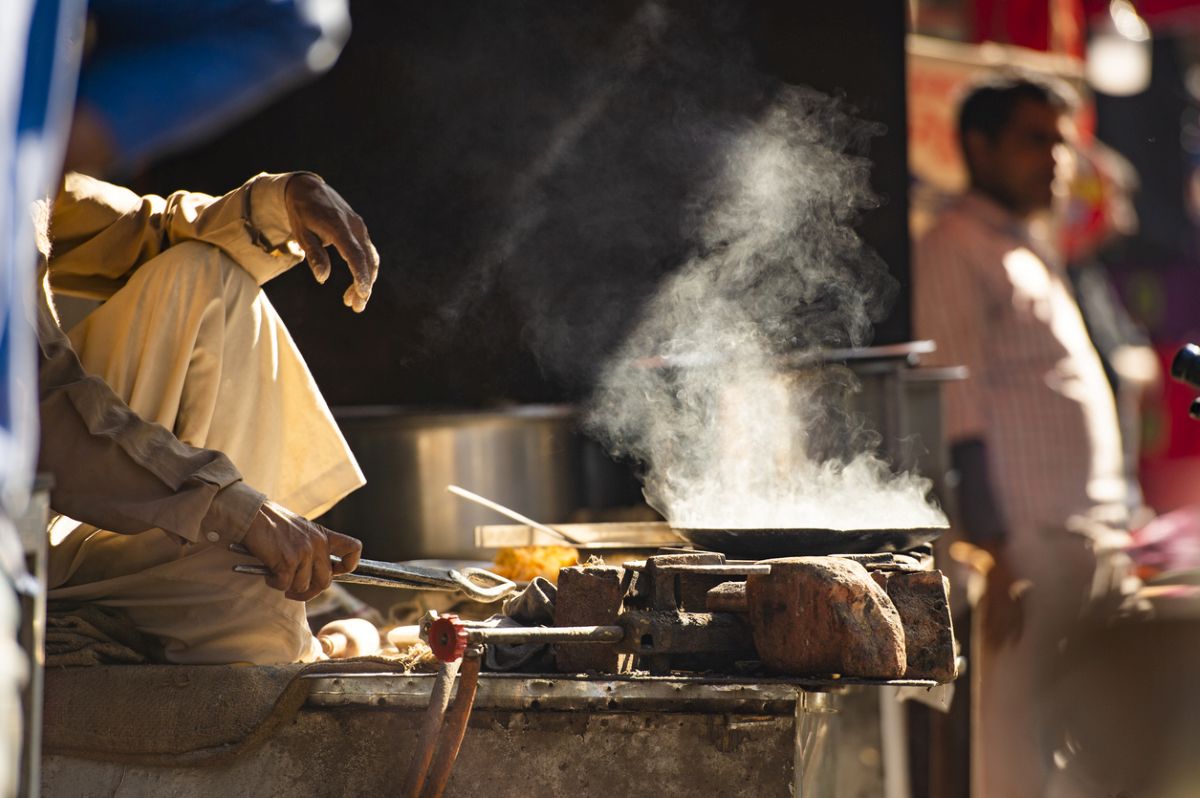
Eateries, hotels, tea stalls and cloud kitchens that shift to induction cooking will receive incentives if their electricity consumption rises.
Synopsis: The Tamil Nadu government has announced a few measures to tide over the LPG shortage that has hit the country as a result of the ongoing conflict in South Asia.
The Tamil Nadu government has announced incentives to encourage eateries and commercial kitchens to switch to induction stoves amid a shortage of commercial LPG cylinders linked to the West Asia conflict.
The decision was taken at a consultative meeting chaired by Chief Minister MK Stalin on Saturday, 14 March.
Under the plan, eateries, hotels, tea stalls and cloud kitchens that shift to induction cooking will receive incentives if their electricity consumption rises compared to the previous bi-monthly billing cycle.
The Tamil Nadu Electricity Board will provide ₹2 for every additional unit of electricity consumed.
The government also announced support for industries, particularly MSMEs, by offering subsidies for purchasing large-capacity induction stoves and heaters.
Under schemes such as the Unemployed Youth Employment Generation Programme and the Tamil Nadu Women Entrepreneurs Empowerment Scheme, eligible beneficiaries will receive a 25% subsidy along with loan assistance, while the Annal Ambedkar Business Champions Scheme offers a 35% subsidy with financial support for industrial investments.
As a temporary measure during the fuel shortage, factories have been allowed to use alternative fuels such as biomass, refuse-derived fuel and high-speed diesel without prior approval from the Tamil Nadu Pollution Control Board.
To cushion the impact on farmers and dairy producers affected by the closure of hotels and tea shops, Aavin will procure additional milk, while the 194 Uzhavar Santhai markets will continue vegetable procurement without restrictions.
The government has also ordered 3,228 kilolitres of kerosene for ration card holders.


