

Published Mar 11, 2026 | 4:11 PM ⚊ Updated Mar 11, 2026 | 4:11 PM

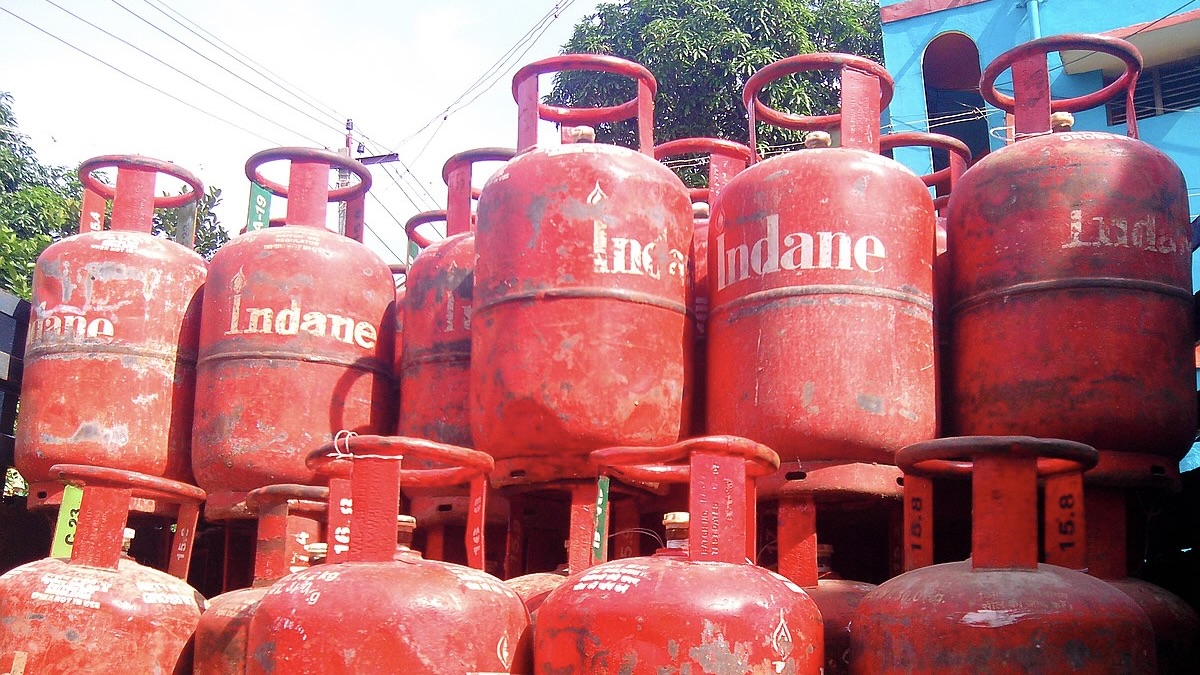
Oil marketing companies are giving priority to domestic LPG cylinders over commercial ones.
Synopsis: Hotels, restaurants and hostels in the Telugu states report receiving anywhere between a fraction and half of their usual LPG supplies, forcing operators to ration fuel and trim menus. The shortage has also led to complaints of hoarding and upselling of cylinders through black market channels. State governments, however, have maintained there is no shortage of LPG and have warned of strict action against black marketing and rumour-mongering.
Hotels, restaurants, roadside eateries and hostels in the two Telugu states are reporting drastic cuts in liquefied petroleum gas (LPG) supplies amid the ongoing nationwide shortage, even as governments in the respective states maintain there is no overall shortage of the cooking fuel.
Hotels and restaurants in Andhra Pradesh are reportedly receiving only about 50–60 percent of their usual LPG requirements. In Telangana’s capital, Hyderabad, several paying guest (PG) accommodations and hostels said they are receiving barely 20–25 cylinders, down from nearly 100 earlier.
Small eateries and roadside food outlets that depend entirely on LPG for cooking say the reduced supply is disrupting daily operations. Some operators say they have cut output or are buying cylinders at inflated prices.
LPG supplies have been tight across the country since at least Sunday, 8 March, following the US–Israel war against Iran in West Asia. Oil marketing companies (OMCs) are giving priority to domestic LPG cylinders over commercial ones.
On Tuesday, the Union government invoked emergency powers under the Essential Commodities Act, 1955, to regulate the supply and distribution of natural gas.
The tightening supply has reportedly triggered a spike in black market activity in both the Telugu states. A commercial LPG cylinder that earlier cost around ₹1,300 now sells for nearly ₹1,800, while 19 kg cylinders in some areas have jumped from about ₹1,700 to over ₹2,100.
There are also complaints that some distributors are diverting stocks or offering supplies through unofficial channels at higher prices. In Andhra Pradesh’s Adoni, civil supplies officials recently seized more than 100 LPG cylinders from hotels during inspections.
Restaurant associations in Hyderabad say up to 80 percent of establishments could shut temporarily if supplies do not improve. Hostels in IT hubs such as Gachibowli, Kukatpally and Madhapur have begun trimming meal options as LPG deliveries fall.
Several hostels in the IT corridor area of Gachibowli have begun restricting meal options and gas use. A notice issued by the IT Corridor Hostel Association in Indira Nagar, Gachibowli, advised hostels to temporarily reduce gas consumption until the situation improves.
The notice urged kitchens to avoid breakfast items that require higher gas use, such as chapathi, dosa and puri, for the time being. It also advised hostel managements to discontinue some curries and additional items temporarily, depending on LPG availability.
During this period, only basic meals such as rice and simple dishes are likely to be served. The notice also asked PGs to temporarily suspend self-cooking facilities provided to residents to conserve LPG.
The association asked residents to cooperate with the measures until the gas supply situation returns to normal.
The advisory follows speculation that the ongoing conflict could curtail LPG supplies imported from Gulf countries, which meet the vast majority of India’s needs and are usually transported in container ships through the now conflict-ridden Strait of Hormuz.
The Telangana State Hotels Association expressed concern over the survival of small and medium-sized hotels, which buy LPG on a day-to-day basis because they cannot afford to stock cylinders.
Many in the sector fear that within a day or two, a majority of small and medium hotels may shut their kitchens. The sector employs thousands of workers and supports food delivery platforms, tourism and local agricultural supply chains, impacting their livelihoods if such closures occur.
Industry bodies have therefore urged both state governments and the Centre to step in with temporary quotas for commercial establishments and stricter monitoring of LPG distribution.
Authorities in the two states, however, maintain there is no shortage of LPG and have urged people not to panic or believe unverified information circulating on social media.
In Telangana, officials say LPG supply remains stable and have warned of stringent action against hoarding or black marketing.
Andhra Pradesh Minister for Food and Civil Supplies Nadendla Manohar reviewed the supply situation via teleconference with senior officials on Tuesday and assured that adequate stocks were available to meet both domestic and commercial demand.
“There is no LPG shortage in the State and people need not panic,” he said, adding that the government was monitoring supplies coming through multiple channels, including the HPCL refinery in Visakhapatnam, the Hassan–Cherlapally pipeline from Mangaluru, and supply networks of HPCL, BPCL and IOCL.
Manohar said the government was prepared to take additional steps to ensure uninterrupted LPG supply, particularly for households. If required, domestic consumption would be prioritised.
The Minister also directed district administrations to prevent diversion of LPG cylinders to the black market.
Joint collectors have been instructed to deploy special vigilance teams to monitor the supply chain and take strict action against hoarding, price manipulation or the spread of rumours.
Senior officials at the state headquarters have also been asked to keep a close watch on LPG distribution.
Manohar urged citizens not to believe rumours circulating on social media and said the Union government was also closely monitoring the national situation.


