

Published Mar 06, 2026 | 6:22 PM ⚊ Updated Mar 06, 2026 | 6:22 PM

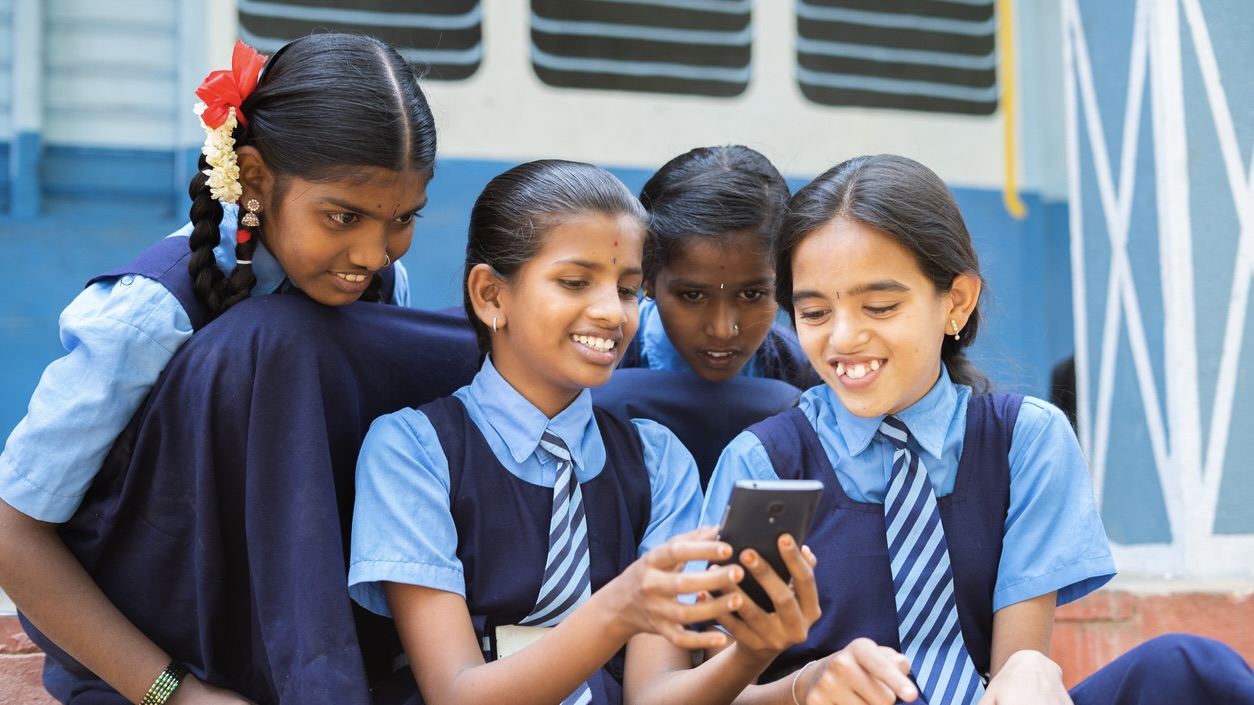
Enforcement could include government IDs, face or voice recognition, or "age inference".
Synopsis: Karnataka Chief Minister Siddaramaiah has announced plans to ban social media use for children under 16, citing the harmful effects of digital addiction. He has, however, not detailed when the ban will take effect or how it will be enforced. Mental health experts and digital rights groups note that a blanket ban could do more harm than good for children while also creating fresh privacy and surveillance issues if enforcement techniques used elsewhere are adopted to implement it.
Karnataka Chief Minister Siddaramaiah on Friday, 6 March, announced that the state will ban social media use for children under 16 to prevent the adverse effects of rising mobile use among children. If implemented, it would be the first such ban in India.
The Chief Minister, however, did not specify when the ban would take effect or how it would be enforced, prompting mixed reactions from psychologists and digital rights advocates.
“With the objective of preventing adverse effects of increasing mobile usage on children, usage of social media will be banned for children under the age of 16,” Siddaramaiah said during the presentation of the 2026–27 budget.
The move comes days after the Chief Minister raised concerns about social media addiction and children falling prey to drugs during a vice-chancellors’ (VC) conclave in Bengaluru.
“In line with various other countries like Australia, there is a thought to ban mobile phones among students. We are looking at this for children below the age of 16. Many of them are falling prey, are addicted to social media. I seek your opinion on this,” Siddaramaiah told the VCs.
In December 2025, Australia became the first country to ban social media for children under 16. The law places responsibility on social media platforms such as Facebook, Instagram, Snapchat, X, YouTube and Reddit to take “reasonable steps” to keep children off their platforms.
These steps could include government IDs, face or voice recognition, or “age inference”, which analyses online behaviour and interactions to estimate a person’s age.
De-addiction experts and psychologists remain wary of calls for a complete ban on social media, saying technology and digital platforms are now intertwined with nearly every aspect of modern life.
“The primary concern is to ensure that children do not develop behavioural issues due to excessive exposure to social media. This can instead be addressed by creating awareness in schools and among parents about the importance of activities beyond screens — such as physical exercise, maintaining a healthy sleep schedule and engaging in offline hobbies,” said Manoj Sharma, who runs the Service for Healthy Use of Technology (SHUT) Clinic at NIMHANS in Bengaluru, a first-of-its-kind technology de-addiction centre in the country.
He added that these measures could be as effective as imposing a complete ban on social media. Such a ban, he said, could be difficult to achieve as interactions with technology are inevitable.
Digital rights experts have also raised concerns about how the ban was announced.
“Will this require state legislation? Will it mandate age-verification systems that create fresh privacy risks for all users, including adults? Will it apply to educational and informational uses of the internet? None of this is clear at present,” the Internet Freedom Foundation (IFF) said in a statement.
The organisation added that a ban pitched around “protection” can easily become another tool to deny children connectivity altogether.
Pointing out that girls and young women already face significant barriers to digital access, the IFF said, “Families and communities may use such restrictions to justify keeping girls offline permanently, deepening the digital gender divide rather than narrowing it.”
The organisation also said such bans often fail to address root causes such as platform design choices that maximise engagement over safety, weak data protection frameworks and poor digital literacy infrastructure, while restricting children’s right to information, expression and participation.
“While we recognise and share concerns about children’s safety and wellbeing online, IFF has consistently cautioned that blanket social media bans are a disproportionate response that can do more harm than good,” it said.
Experts have also raised concerns that bans could trigger mass migration to Virtual Private Networks (VPNs) and encrypted, unmoderated corners of the dark web “where grooming and extremism thrive unchecked.”
If Karnataka follows the path taken by Australia and requires social media accounts to be linked to government-issued identification for age verification, experts say this could raise significant privacy concerns.
“Some forms of enforcement, if linked to identity verification, may also pose the risk of connecting every social media account with a government ID, creating a mass surveillance framework,” Apar Gupta, co-founder of IFF, said.
Sharma also pointed out that the Digital Personal Data Protection Act, 2023 (DPDP Act) and the Digital Personal Data Protection Rules, 2025 regulate the use of social media by children.
According to a report by Bar and Bench, the DPDP Act mandates data fiduciaries to obtain verifiable consent from a parent or lawful guardian before processing a child’s personal data.
In addition, the DPDP Rules require platforms to verify that the person providing consent is an identifiable adult, using reliable identity and age details or credentials issued by authorised entities such as government-recognised identity systems or Digital Locker services.
Other states now seem to be considering similar measures. On Friday, Andhra Pradesh Chief Minister Nara Chandrababu Naidu announced that social media will be banned for children below 13 and that the government will take steps to implement this within 90 days.
The Goa government is also examining the possibility of restricting social media use for children below 16, citing rising concerns over digital addiction, cyberbullying and online safety risks.
(Edited by Dese Gowda)


