

Published Mar 11, 2026 | 4:03 PM ⚊ Updated Mar 11, 2026 | 4:03 PM

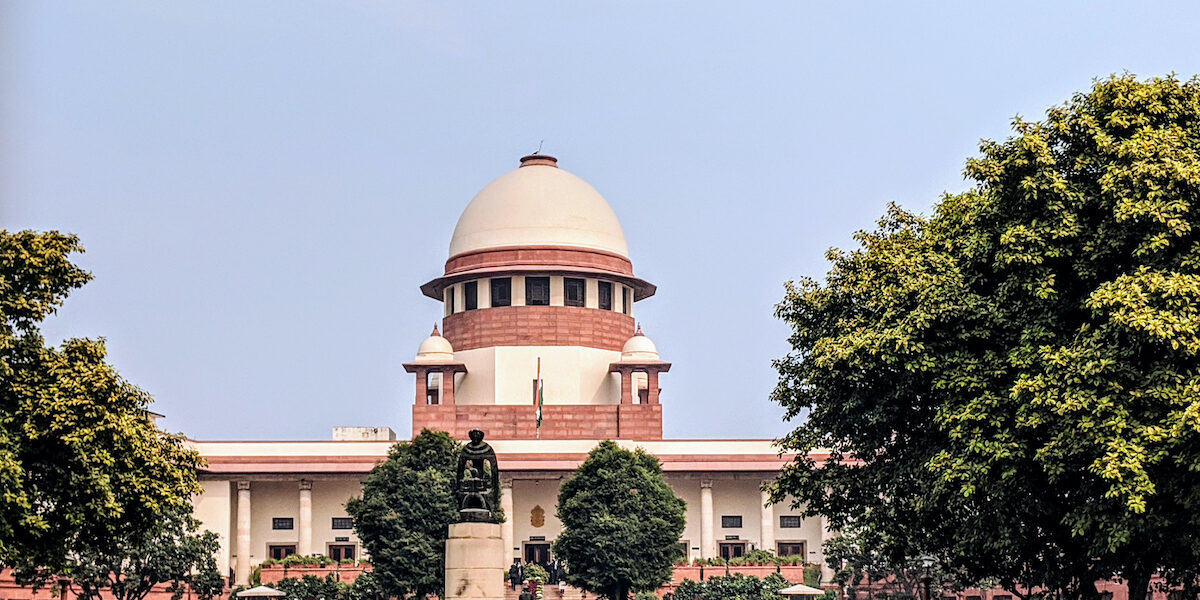
The Supreme Court of India. (iStock)
Synopsis: The court’s decision came on a plea by Harish Rana’s family, seeking permission to withdraw his medical facilities. Allowing passive euthanasia, the court directed the All India Institute of Medical Sciences to admit the patient to its palliative care unit, where life support may be gradually withdrawn in a planned, humane and dignified manner.
The Supreme Court has permitted the withdrawal of life support for a 32-year-old man remaining in a permanent vegetative state for more than 13 years.
While delivering the landmark judgment on Wednesday, 11 March, a Bench of Justice JB Pardiwala and Justice KV Viswanathan said the patient’s medical records showed he has been in a ‘pathetic condition’ and continuing life-sustaining treatment was not in his best interest.
The court’s decision came on a plea by the patient, Harish Rana’s family, seeking permission to withdraw his medical facilities, based on the Supreme Court’s 2018 ruling recognising the legality of passive euthanasia for terminally ill patients.
Allowing passive euthanasia, the court directed the All India Institute of Medical Sciences to admit the patient to its palliative care unit, where life support may be gradually withdrawn in a planned, humane and dignified manner.
Considering the “peculiar facts and circumstances of the present matter,” the court waived the 30-day reconsideration period because all stakeholders were unanimous in their decision to withdraw the patient’s medical treatment.
While delivering the verdict, Justice Viswanathan stressed that the “best interest of the patient is the only interest to be considered”. The bench also acknowledges the family’s long struggle.
“His family never left his side. To love someone is to care for them, even in the darkest times. Our decision today does not neatly fit in logical, but love, life and loss,” the court said.
Rana of Ghaziabad suffered a fall from the fourth floor of the hostel building while studying at Punjab University in 2013. A head injury suffered in the fall left him in a comatose.
Passive euthanasia refers to withdrawing life support, while active euthanasia involves administering poison to end a patient’s life.


