

Published Aug 14, 2026 | 3:10 PM ⚊ Updated Aug 14, 2026 | 3:28 PM

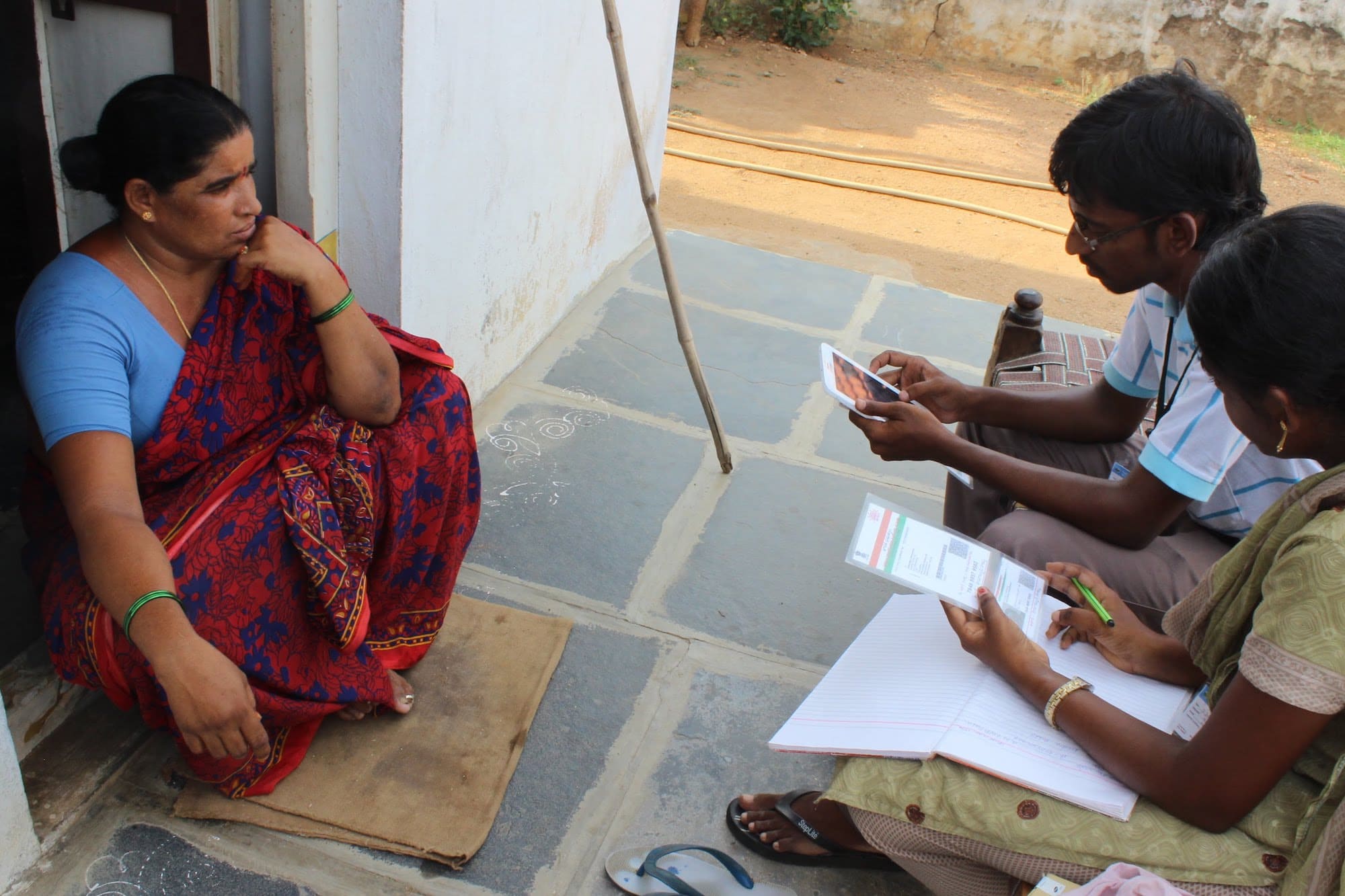
This is the first time citizens are being asked for information about their caste as part of the Census, except for the SC/ST categories.

Synopsis: The Centre has notified 40 questions for the 2027 Census, covering caste, demographic and socio-economic details, Aadhaar and other identity documents, bank accounts, and COVID-19 vaccination info. The exercise will be India’s first digital Census to collect caste data, offering updated information for policymaking and welfare planning.
The central government on Friday, 14 August, notified caste as a category in the set of questions to be asked during the Population Enumeration exercise, the second phase of the Population Census 2027. This is the first time citizens are being asked for information about their caste as part of the Census, except for the Scheduled Caste and Scheduled Tribe categories, which were included in the previous enumeration exercises.
The population enumeration exercise is set to begin in February 2027 across the country, except in Ladakh and snow-bound areas of Jammu and Kashmir, Uttarakhand and Himachal Pradesh, where it will commence on August 17.
The move to include caste enumeration in the census has come after repeated demands by opposition parties, including the Congress, which made it a key campaign issue in state and general polls.
The Union Ministry of Home Affairs has, under the Census Act, 1948, notified 40 questions to be asked during the population enumeration exercise. The census officers have been instructed to ask all the questions to people residing in areas assigned to them for the enumeration process.
Question number 10 in the list seeks information about the individual’s caste identity. It reads: Scheduled Caste (SC)/ Scheduled Tribe (ST)/Caste.
Other fresh sets of information sought by the government as part of the census include Aadhaar numbers, mobile numbers, voter IDs, bank accounts, COVID-19 vaccination location details, passport number and driving licence availability. The questionnaire also includes basic demographic queries such as name, age, sex, marital status, spouse’s name, nationality, religion, caste or tribe and parental information.
The government also seeks detailed information regarding an individual’s educational qualifications and occupation. This is covered in questions 14 to 25 and includes details on language and digital literacy, attendance at educational institutions, highest level of education attained, and employment status. Employment-related questions include: whether they worked during the previous year, their occupation, industry or service sector, class of worker and whether they are seeking employment, and whether they travel to the workplace.
Also Read: Explained: Mines and Minerals Amendment Bill and how it threatens states’ fiscal autonomy
The last time caste-based data collection happened across the country was in 2011 through the Socio Economic and Caste Census (SECC) under the Congress-led UPA government. It was not covered under the Census Act, and the caste data collected never saw the light of the day, for which, over a decade later, Congress leader Rahul Gandhi issued an apology while pushing for a fresh caste census.
During the pre-Independence era, the British conducted caste-based surveys as part of the census exercise. The last such exercise was conducted in 1931. In 1951, during the first census of independent India, the Jawaharlal Nehru-led government decided not to collect information related to castes outside the SC and STs, to avoid reinforcing social divisions.
In 1961, however, the central government allowed states to conduct their own caste surveys incorporating the Other Backward Classes (OBC) category. The Mandal Commission report, submitted in 1980 and based largely on the 1931 caste census, faced challenges in implementation due to the lack of updated data on caste demographics.
Meanwhile, states like Bihar, Telangana, and Karnataka have already conducted caste surveys. A nationwide caste enumeration exercise is expected fill the gaps in affirmative measures and facilitate more inclusive national policies towards the proper implementation of social justice.
(Edited by Fayisa CA)



