

Published Apr 19, 2026 | 9:08 PM ⚊ Updated Apr 19, 2026 | 9:08 PM

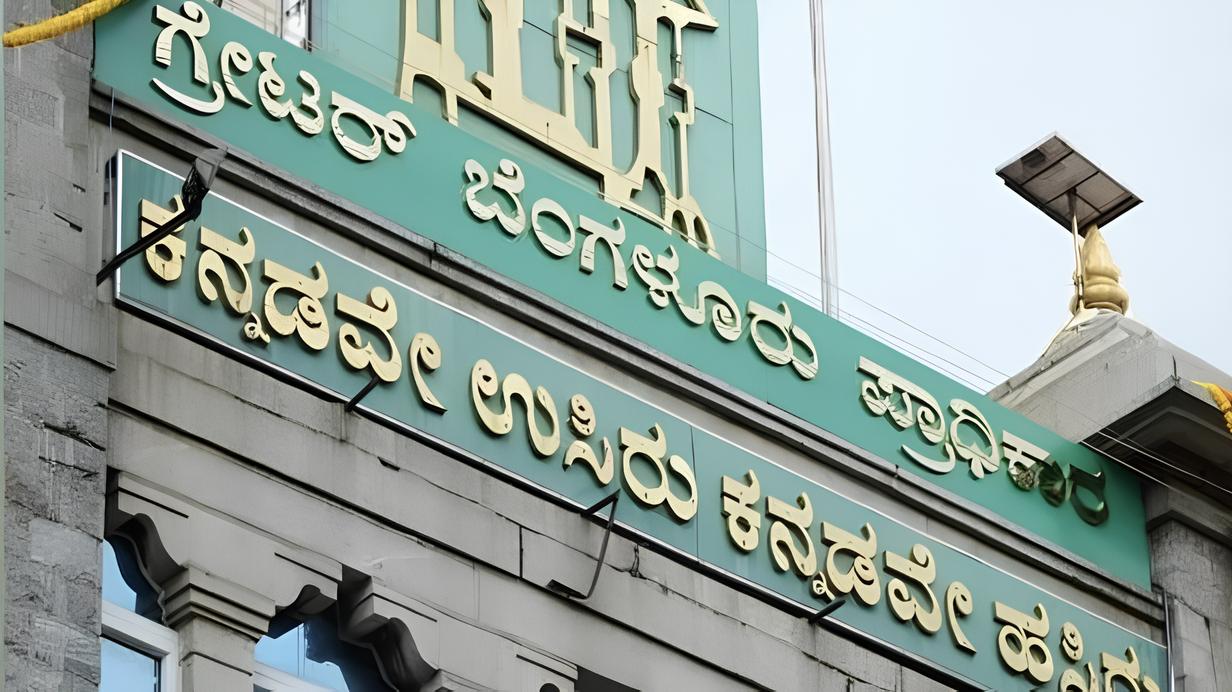
It is expected to minimise repeated road digging in Bengaluru and improve project execution.

Synopsis: Bengaluru’s long-delayed civic polls may be postponed again, as the state has sought a three-month extension citing overlap of the census, Special Intensive Revision (SIR) pre-mapping and examination duties. This comes despite a Supreme Court deadline of 30 June and the publication of the final electoral roll.
The delay would extend bureaucratic control over the city, which has been without an elected council since 2020, limiting public accountability amid ongoing civic issues.
The long-delayed polls to Bengaluru’s civic body might be delayed once again even as political and citizen-led parties have started mobilising their forces on the ground.
The Supreme Court had set a deadline of 30 June for conducting the polls, reiterating that no further extensions would be given.
The term of the last elected council of the erstwhile Bruhat Bengaluru Mahanagara Palike (BBMP) ended in September 2020. Since then, a city of over 1.3 crore people has been run by bureaucrats with tacit support from state legislators.
The Greater Bengaluru Authority (GBA) on Saturday, 18 April released the final electoral roll for 369 wards across five city corporations, pegging the electorate at 88,95,361. With this announcement, the elections could technically be held within 45 days.
However, the state government has written to the State Election Commission (SEC) seeking an extension of three months, as works related to the national census exercise and Special Intensive Revision (SIR) of electoral rolls are ongoing.
Also Read: Why Karnataka has decided to move away from EVMs for upcoming civic polls
In a letter to the SEC, the Karnataka Department of Personnel and Administrative Reforms (DPAR) stated that around 26,616 personnel have been deployed for the census exercise and preparatory work for SIR.
The national census exercise is currently underway. Enumerators began their door-to-door exercise from 16 April and they are scheduled to complete it by 15 May.
The letter pointed out that this exercise involves extensive fieldwork, including enumeration, supervision, training and logistics, requiring full deployment of administrative and ground-level staff.
Even though the SIR has not yet been formally announced in Karnataka, pre-mapping exercise has been underway, which involves comparing electors in the 2025 electoral rolls with that of 2002.
The letter stated that SIR is expected to be carried out over the coming months, which requires the same set of field-level functionaries including booth-level officers (BLOs) and supervisors that are already deployed for census work.
Along with this, the same set of government personnel will also be deployed for examination-related duties for upcoming Class 10 and 12 during May and June.
In fact, ground-level staff, most of them anganwadi and ASHA workers, have raised complaints earlier as well, about being deployed for multiple government exercises at the same time.
Citing this overlap of government-initiated surveys and strain on personnel, the state has sought an extension of deadline until 30 September.
Earlier this year, Senior Advocate KN Phanindra representing the SEC, assured the Supreme Court that the poll body would schedule the elections immediately after the completion of board exams on 26 May, since school premises and teachers are required for polling duties.
“The elections in all circumstances shall be concluded before 30 June, 2026,” the bench had then ordered.
Also Read: How Davanagere bypoll triggered a crisis in Congress with minority leaders
The continued delay in electing councillors comes amid persistent civic challenges in Bengaluru.
While last year saw widespread attention on traffic congestion, potholes, and infrastructure decay, highlighted even by corporate leaders, complaints around garbage management have now resurfaced as a major concern.
In 2023, the Supreme Court infamously cited Bengaluru as an example of a “ruined city”, while urging other states not to follow suit. However, without an elected council, citizens cannot directly hold a political representative accountable for these local issues.
When the GBA officially took over the role of governing India’s IT capital in September 2025, urban experts and civic activists had cautioned that without holding timely elections, the new body too risks having the same fate as erstwhile BBMP.
(Edited by Dese Gowda)



