

Published Nov 17, 2026 | 8:24 PM ⚊ Updated Nov 17, 2026 | 8:24 PM

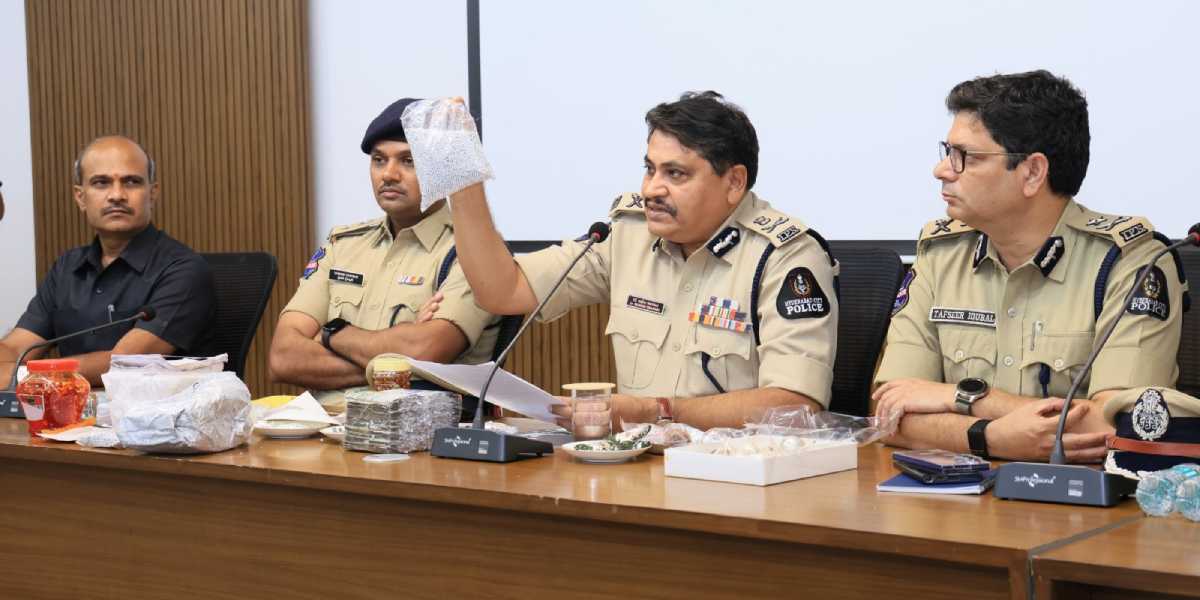
Police Commissioner Dr Mahesh Muralidhar Bhagwat said the operation targeted the illegal manufacture and sale of fake edible silver waraq.

Synopsis: Hyderabad Police have busted four units allegedly manufacturing fake edible silver foil using aluminium and supplying it to sweet shops, bakeries and paan outlets across Telangana. The raids led to the seizure of 49 bundles of fake silver leaves, 10 kg of aluminium flakes and other materials. Four criminal cases have been registered.
The silver foil used to decorate sweets and paan may not be silver after all.
Hyderabad Police have busted four manufacturing units in and around Charminar that allegedly produced fake edible silver foil using aluminium and supplied it to sweet shops, bakeries and paan outlets across Telangana.
The Commissioner’s Task Force, along with local police teams, raided the units on Tuesday, 17 November, and seized 49 bundles of fake silver leaves, 10 kg of aluminium flakes, and other materials allegedly used to manufacture and adulterate food products.
Hyderabad Police Commissioner Dr Mahesh Muralidhar Bhagwat said the operation targeted the illegal manufacture and sale of fake edible silver waraq. The police registered four criminal cases against the units and their owners.
The units raided were Ittehad Waraq Shop near Mecca Masjid, UTC Silver Leafs in Punch Mohalla, M.A. Metro Waraq Shop opposite Charminar bus stop and Tara Unit in Achi Reddy Nagar, Falaknuma.
Police said the units were allegedly substituting genuine silver with cheaper aluminium to manufacture edible-looking silver leaves and flakes without valid Food Safety and Standards Authority of India (FSSAI) licences.
The fake silver leaves were allegedly supplied to sweet manufacturers for decorating kaju katli, kaju rolls and cham cham. Aluminium-coated sugar balls were supplied to bakeries for use as cake toppings, while aluminium flakes were allegedly used in zarda, qiwam and flavoured paan preparations, including sweet paans.
Police said the accused procured aluminium flakes from Uttar Pradesh and increased purchases from other states during peak festival seasons to meet demand. The products were allegedly sold as genuine silver-based decorations to sweet shops, bakeries and paan outlets across Telangana.
“The accused were procuring aluminium flakes from Uttar Pradesh and using them in place of genuine silver flakes in zarda, qiwam, and other flavoured paan preparations, including sweet paans. By falsely representing these aluminium-based products as genuine silver products for monetary gain, and procuring larger quantities from other states during peak festival seasons to meet increased demand, the units built a widespread supply network supplying local and reputed sweet shops, bakeries, and paan shops across Telangana,” said the police in a statement.
Also Read: South Indian kitchens may be unknowingly cooking with dangerous adulterants
The seized material included 49 bundles of fake silver leaves, of which 41 measured 14 cm by 10 cm and eight were smaller bundles measuring 7 cm by 8 cm. Police also seized 10 cartons containing 1 kg of aluminium flakes each, two polythene bags containing 1 kg each and 32 covers weighing 50 grams each.
Other materials seized included 1 kg of aluminium-coated sugar balls, 30 jars of qiwam weighing 500 grams each, three tubs containing around 30 kg of qiwam, 20 bottles of qiwam, 50 kg of tobacco, 1 kg of talcum powder, 50 bottles of flavoured paan chutney, around 10 litres of glucose and 40 kg of maize starch.
The police also confiscated a mixer grinder, a long mixer, a packing machine, a weighing machine, a domestic gas cylinder, a gas stove and cooking utensils.
Also Read: Telangana food safety teams uncover synthetic colours and adulterated ghee
Under Regulation 2.11.4 of the Food Safety and Standards (Food Products Standards and Food Additives) Regulations, 2011, edible silver leaf must have a minimum silver purity of 999 parts per 1,000, or 99.9%. It must not be manufactured using any material of animal origin at any stage of production.
“Prolonged exposure to such non-food-grade aluminium products may pose severe health risks, including kidney damage, neurological effects, bone disorders, digestive irritation, and excessive aluminium accumulation in the body,” said the police, further stating that the actual health risks from the seized products, however, would need to be assessed through appropriate testing.
The police also described two preliminary methods to distinguish aluminium foil from genuine silver leaf. In a rubbing test, genuine silver leaf generally breaks into very fine particles, while aluminium may crumple, tear or form small ball-like pieces.
A dilute hydrochloric acid test may also help distinguish the metals. Aluminium can react with the acid and release hydrogen gas, while silver normally does not. These are preliminary screening methods only, and laboratory analysis is necessary for confirmation. Trained personnel must conduct the chemical test with appropriate safety precautions because hydrogen gas is flammable.
Four cases were registered under Sections 318(4) and 110 of the Bharatiya Nyaya Sanhita (BNS) at Charminar, Hussainialam, Moghalpura and Falaknuma police stations.
Gaikwad Vaibhav Raghunath, Deputy Commissioner of Police, Commissioner’s Task Force, led the operation with Inspector N. Ranjith Kumar Goud, along with sub-inspectors and other personnel. The police said they will initiate further legal action against the accused.
(Edited by Majnu Babu).



