

Published Mar 08, 2026 | 8:00 AM ⚊ Updated Mar 08, 2026 | 8:00 AM

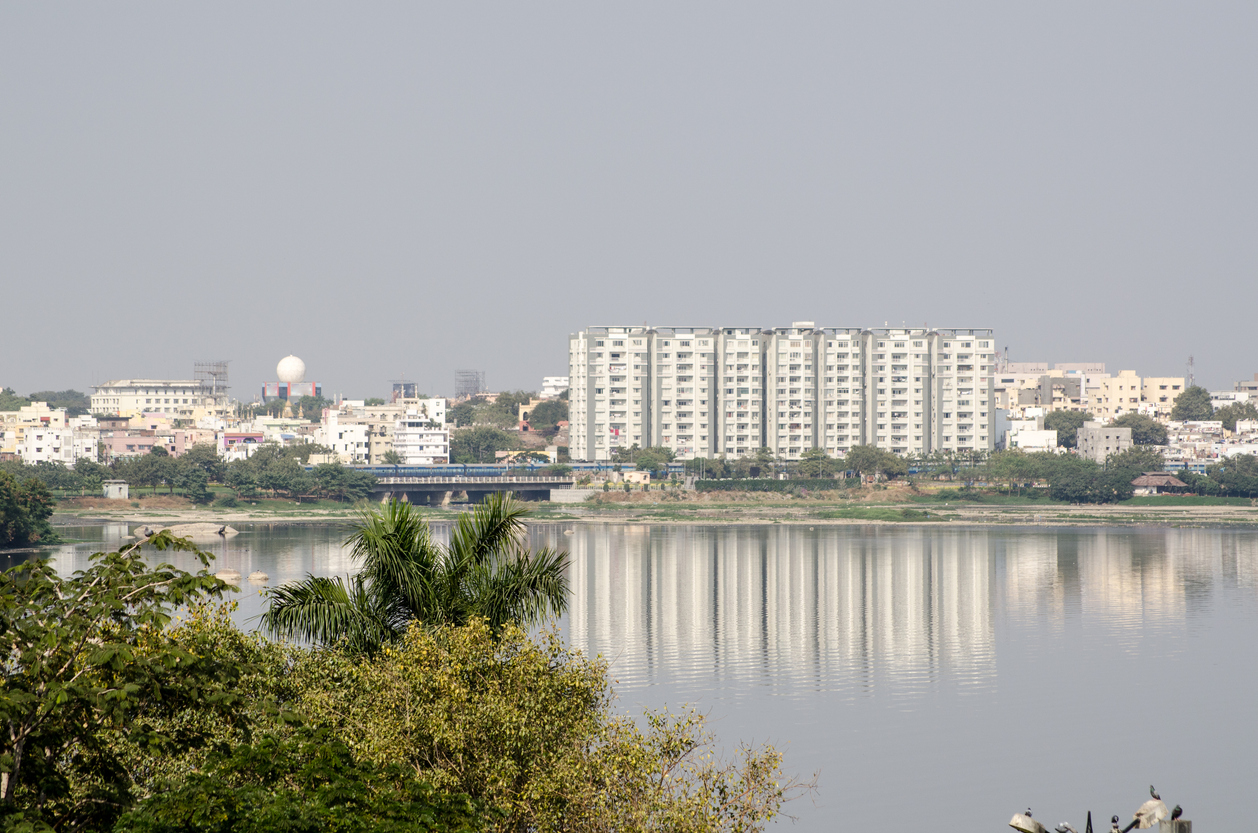
Representational image. Credit: iStock
Synopsis: Two neglected Hyderabad lakes — Bam Rukn-ud-Daula in the Old City and Nalla Cheruvu in Kukatpally — have been restored and will open to the public on 8 and 9 March. Revived by HYDRAA, they now feature walking tracks, play areas, boating, biodiversity islands, and landscaped surroundings, transforming polluted water bodies into vibrant ecological and recreational spaces.
Two more neglected lakes in Hyderabad are being restored. They will soon be opened for public. They are: the historic Bam Rukn-ud-Daula Lake in the Old City and Nalla Cheruvu in Kukatpally.
Telangana Chief Minister A Revanth Reddy is scheduled to inaugurate the Bam Rukn-ud-Daula Lake on 8 March, while the restored Kukatpally Nalla Cheruvu,c on 9 March.
The two lakes are part of the initiative to revive water bodies across the city by the Hyderabad Disaster Response and Asset Protection Agency (HYDRAA). Of the six lakes taken up in the first phase, Bathukamma Kunta was inaugurated on 28 September last year. Three more lakes — Uppal Nalla Cheruvu, Sunnam Cheruvu, and Thammidikunta Lake — are currently under development.
In addition, the government has initiated plans to restore 14 more lakes in the second phase, aiming to transform water bodies that had turned into polluted dumps into clean ecological and recreational spaces. The state government has also decided to develop four large lakes across the city on the lines of Tank Bund, creating prominent urban waterfronts.
The Bam Rukn-ud-Daula Lake, located in the Old City near the Sardar Vallabhbhai Patel National Police Academy, has been restored after decades of neglect and encroachment, according to official sources.
HYDRAA removed illegal constructions and revived the historic lake, which had nearly lost its identity over time. The restoration work included strengthening the original embankment built during the Nizam era and constructing a walking track along the bund.
Facilities such as an open gym, children’s play areas, and seating spaces for elderly visitors have been created. The lake interior has been fenced, while three access points have been developed for visitors. The surroundings have been landscaped with medicinal plants and shade-giving trees, recreating elements of the lake’s historical environment, the sources said.
Security and monitoring arrangements have also been put in place through CCTV cameras linked to HYDRAA’s headquarters.
Historical records indicate that the lake was constructed around 1770 during the reign of the third Nizam, Sikandar Jah, by his Prime Minister Nawab Rukn-ud-Daula, from whom the lake derives its name.
Originally spread over 104 acres, the lake gradually shrank over time due to encroachments. The Hyderabad Metropolitan Development Authority (HMDA) had identified the lake area as 17.05 acres, but by the time restoration began, only 4.12 acres remained.
HYDRAA cleared encroachments in August 2024, restoring the full notified extent despite facing several legal and political challenges. Today, the restored lake has emerged as a major recreational space for residents.
Floodwaters from Rajendranagar, Aramghar, and Katedan once flowed into the lake. Folklore also suggests that while royalty used the nearby Mir Alam Tank, the queens of the Nizam’s court preferred Bum Rukn-ud-Daula Lake.
The Nalla Cheruvu restoration is another example of how neglected lakes are being brought back to life.
Located in one of Hyderabad’s most densely populated areas, the lake had become heavily encroached and filled with sewage, turning it into a foul-smelling water body. The government took up restoration after identifying the lake as crucial for flood management.
Encroachments were removed in September 2024, including 16 commercial sheds built within the lake’s Full Tank Level (FTL) area. Large quantities of construction debris and decades of accumulated silt were cleared, with more than three metres of soil removed to restore the lake bed.
As a result, the lake’s area has nearly doubled, expanding from 16 acres to about 30 acres.
Today, the lake has been developed into a recreational hub with boating facilities, walking paths, and landscaped surroundings, the official sources said.
Visitors say the lake has already become a popular destination, with people travelling from up to five kilometres away for morning walks, relaxation, and children’s play activities.
Key improvements include:
Seven inlet channels to bring rainwater into the lake
Upgraded outlet systems for efficient drainage during heavy rains
Diversion of sewage drains away from the lake
Construction of biodiversity islands to encourage aquatic life
A 1.5-kilometre pathway around the lake for walkers
The area has also seen improvements in groundwater levels, with borewells in the vicinity reportedly rejuvenating after the restoration.
On weekends, particularly Sundays, the lake has begun attracting crowds similar to a picnic spot, reflecting the transformation of what was once a polluted and encroached water body, the official sources maintained.


