

Published Mar 07, 2023 | 7:46 PM ⚊ Updated Mar 07, 2023 | 7:46 PM

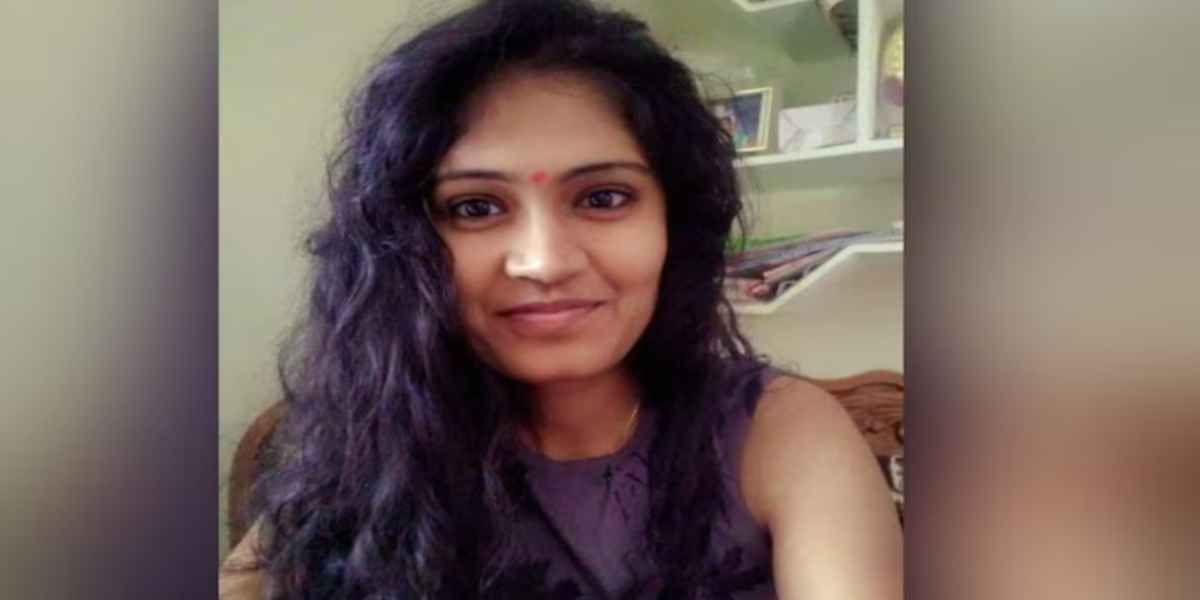
The family members of Dr Preethi termed the toxicology report as inaccurate. (Supplied)

The toxicology report of Dr Dharawath Preethi — the first-year postgraduate junior doctor of the Kakatiya Medical College who died on 26 February after allegedly trying to end her life earlier — has returned negative.
The urine and blood samples taken from the Nizam Institute of Medical Sciences (NIMS) in Hyderabad on 23 February both showed no presence of external toxins.
Dr Preethi allegedly attempted suicide on 22 February, after apparently being harassed by one of her seniors, a male doctor identified as Dr SA Saif, at the Kakatiya Medical College in Warangal.
She was said to have administered herself phenobarbital. However, the report said that phenobarbital was not detected in her blood sample.
Similarly, amphetamine, benzodiazepine, barbiturates, cocaine, morphine/opiates, marijuana, and tricyclic antidepressants were not detected in her urine samples.
Preethi’s family has claimed that the toxicology report was inaccurate.
Her brother Vamshi Prudhvi said in a video statement that blood was sent for toxicology examination after she was shifted to NIMS.
“Preethi was admitted at NIMS and the doctors conducted surgery and injected fresh blood and platelets. They collected samples for testing after the transfusion of three or four units of blood into her body,” he said.
If the samples were collected at MGM Hospital, before the blood was infused, the result could have been accurate, he argued.
The police are now waiting for an autopsy report to get a conclusive idea of how she died.
A doctor from Gandhi Medical College and Hospital, who is familiar with toxicology and autopsy reports, told South First that Preethi’s toxicology report was not conclusive.
“If the samples were taken at MGM Hospital in Warangal, we could have ascertained that the report was conclusive. However, as the sample was taken at NIMS, we cannot expect that this is the final report,” the doctor said on condition of anonymity.
“We have to wait for the autopsy report to ascertain how she died,” the doctor told South First.
As of now, after her post-mortem was done on 27 February, her samples were sent for histopathology — the microscopic examination of the tissue in order to study the manifestations of the disease.
Toxicology reports and autopsy reports are both important components of a death investigation, but they serve different purposes and provide different types of information.
A toxicology report is the result of a laboratory analysis of samples — like blood or urine — taken from the deceased person’s body to detect the presence of drugs, alcohol, or other substances.
The report typically provides information on the type and quantity of drugs or other substances found in the body, as well as their potential effects on the deceased person’s health.
An autopsy report, on the other hand, is a comprehensive medical report prepared by a forensic pathologist who examines the body of a deceased person to determine the cause and manner of death.
The report typically includes a detailed description of the deceased person’s body, as well as findings related to the organs, tissues, and bodily systems.
The autopsy report may also include information about the deceased person’s medical history and any injury or trauma that may have contributed to their death.
Autopsy reports can take time to prepare because they involve a detailed and thorough examination of the deceased person’s body, and the process may involve multiple tests and analyses.
The Gandhi Medical College and Hospital doctor quoted earlier said that Preethi’s autopsy report might take a few more days as it involves additional testing, consultation with other medical experts, and the examination of additional evidence.



