

Published Mar 27, 2026 | 8:12 PM ⚊ Updated Mar 27, 2026 | 8:12 PM

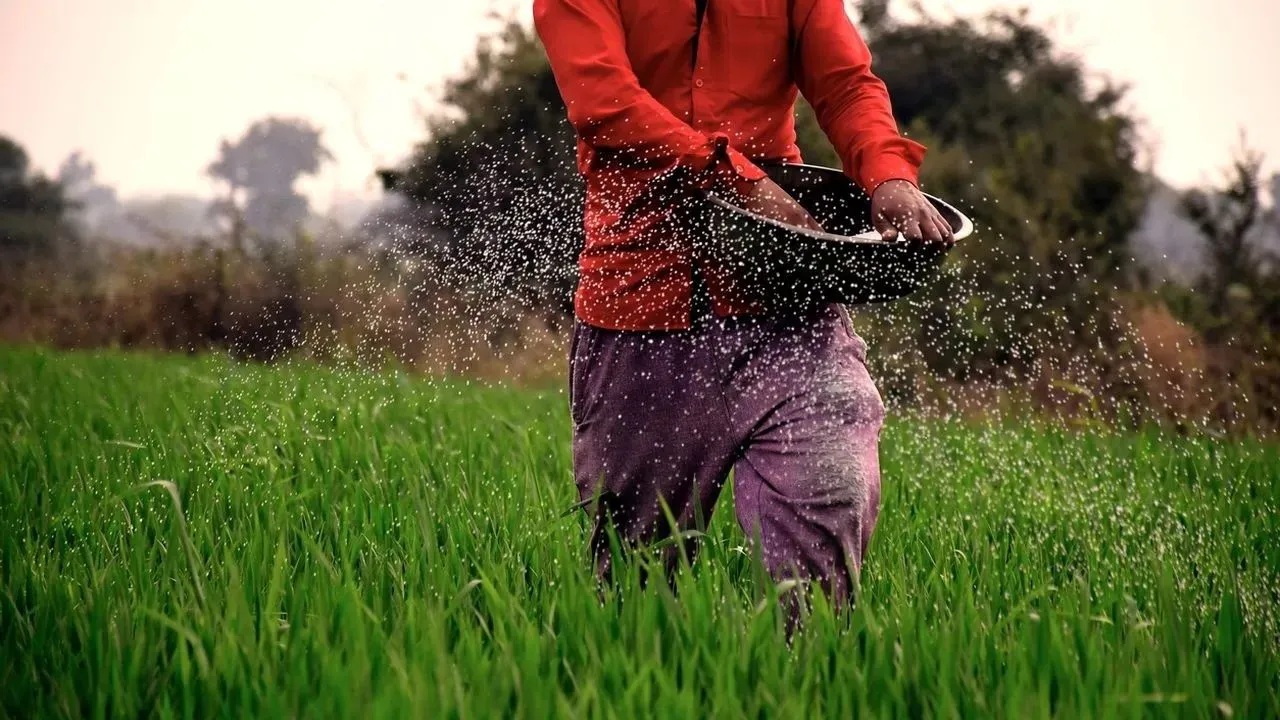
A single-login system could level the playing field, especially for small and marginal landowners.
Synopsis: The pilot will be launched in five Mandals: Kosgi in the Narayanpet district, Amangal in Ranga Reddy, Vatpally in Sangareddy, Kusumanchi in Khammam, and Aswaraopeta in Bhadradri Kothagudem. By picking one Mandal from each region, the government hopes to test the waters across varied terrains and administrative setups. Feedback from users and officials will be closely tracked to fine-tune the system before it is taken statewide in phases.
In a major push to set land records straight, the Telangana government will roll out the Integrated Bhu Bharati portal on a pilot basis in five Mandals from 2 April, 2026.
The move is seen as a clean-slate effort by the Congress-led administration to fix the cracks left behind by the earlier Dharani portal, which had come under fire for glitches, data mismatches, and alleged irregularities.
Revenue Minister Ponguleti Srinivasa Reddy on Thursday, 26 March, announced the rollout after a high-level review with officials from the Revenue, Survey, Stamps & Registration departments, along with the National Informatics Centre (NIC).
He said Bhu Bharati will act as a one-stop shop, aiming to bring transparency, speed, and a farmer-friendly approach, while ironing out the wrinkles that plagued Dharani.
The pilot will be launched in five Mandals: Kosgi in the Narayanpet district, Amangal in Ranga Reddy, Vatpally in Sangareddy, Kusumanchi in Khammam, and Aswaraopeta in Bhadradri Kothagudem.
By picking one Mandal from each region, the government hopes to test the waters across varied terrains and administrative setups. Feedback from users and officials will be closely tracked to fine-tune the system before it is taken statewide in phases.
The shift from Dharani to Bhu Bharati comes against the backdrop of mounting complaints. Dharani, though ambitious in design, had turned into a thorn in the flesh for many farmers and landowners.
Errors in Records of Rights, missing names in Pattadar Passbooks, wrongful tagging of lands under the prohibited list, and long delays in mutations and successions had left people running from pillar to post. Grievances piled up in lakhs, many gathering dust at various administrative levels.
Audits later flagged systemic lapses, even prompting forensic scrutiny. With land records becoming a political explosive issue, the Congress government brought in the Telangana Bhu Bharati (Record of Rights in Land) Act, 2024, promising a more grounded and foolproof system.
The new portal aims to bridge the gap between digital records and physical verification, while decentralising grievance redressal.
Lying at the heart of integrated Bhu Bharati is the introduction of a unique “Bhoodhar” number for every land parcel—much like Aadhaar for individuals. This ID will capture location, boundaries, and ownership details, with temporary and permanent versions depending on survey completion. Resurveys have already been carried out in select villages, and pilot assignments of Bhoodhar numbers are in progress.
In the pilot Mandals, attaching survey maps during agricultural land registration will be mandatory. This step is expected to nip boundary disputes in the bud and ensure transactions are backed by clear spatial data, reducing the chances of litigation that often drags on for years.
The portal promises a user-friendly citizen dashboard accessible through Aadhaar-linked mobile numbers. With a single click, users can view land details, Records of Rights, mutation and succession status, survey services, appeals, encumbrance certificates, market values, maps, and registration documents. SMS alerts at every stage will keep users in the loop, adding a layer of accountability.
Unlike Dharani’s fragmented structure, Bhu Bharati brings all services under one roof by integrating Revenue, Survey & Land Records, and Stamps & Registration departments. This seamless linkage is expected to cut down delays and spare citizens the hassle of knocking on multiple doors.
Additional features such as a “MyLand” portfolio, NALA order tracking, feedback systems, and contact details of local officials aim to make the platform more responsive and citizen-centric.
The initiative combines technology with ground-level verification and gives more teeth to local officials like tahsildars and RDOs, enabling the system to clear long-pending backlogs. The Bhoodhar system and mandatory mapping could bring much-needed clarity in a sector long riddled with disputes and fragmented holdings.
For farmers, the benefits could be far-reaching. Easier access to schemes, smoother bank loans, and less dependence on middlemen are on the cards. A single-login system could level the playing field, especially for small and marginal landowners.
However, the proof of the pudding lies in the eating. Challenges such as incomplete resurveys, resistance from field staff, data migration issues, and digital literacy gaps could throw a spanner in the works. The pilot phase will be crucial to iron out these teething troubles. Officials have said pending Dharani grievances in pilot areas will be cleared on priority by June.
The government has promised continuous improvements based on feedback, with services to be offered in Telugu, Urdu, and English. Many see it as a test of governance.
If the initiative works, it would pay rich political dividends to the ruling Congress, which knows that without the support of farmers, it could get nowhere.
(Edited by Majnu Babu).


