

Published Feb 26, 2026 | 1:28 PM ⚊ Updated Feb 26, 2026 | 1:28 PM

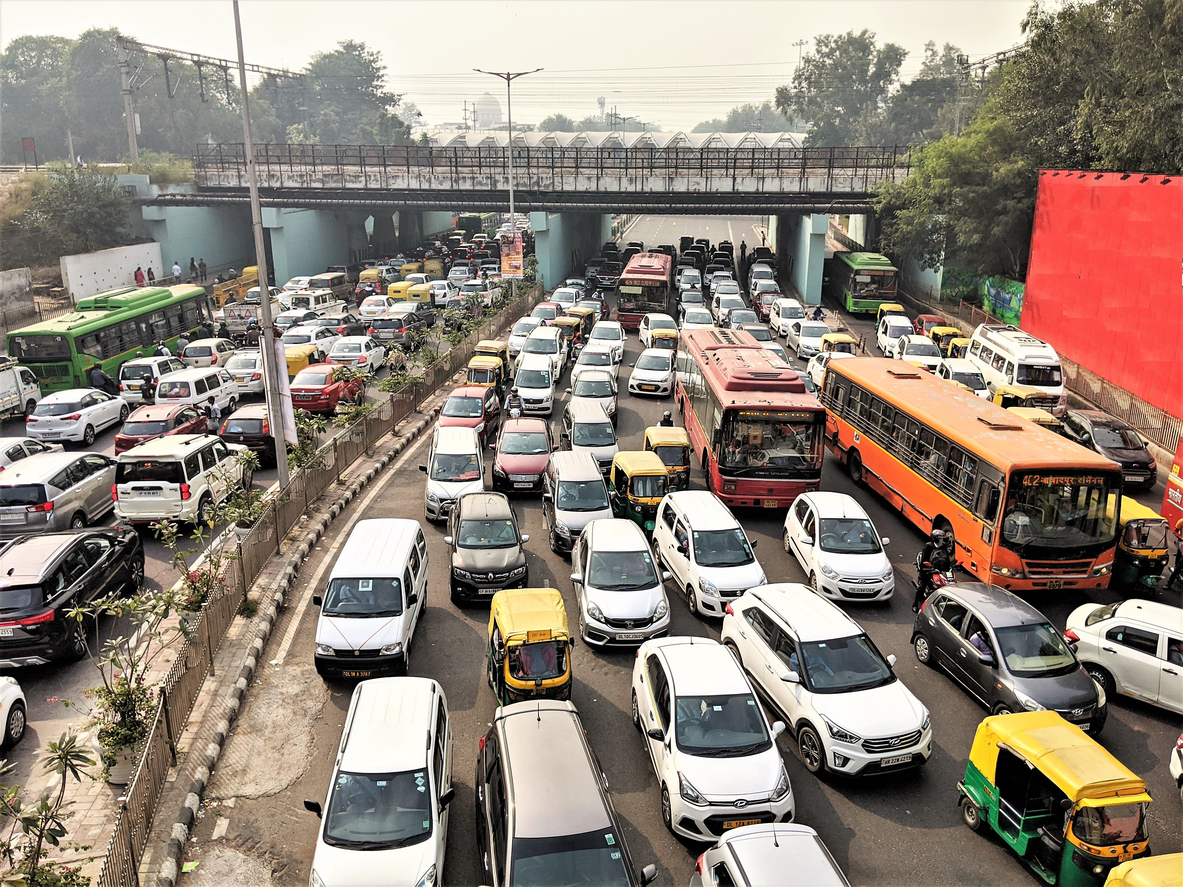
Representational image. Credit: iStock
Synopsis: From 1 March 2026, Telangana will impose a one-time Road Safety cess on new vehicle registrations: ₹2,000 for two-wheelers, ₹5,000 for cars/SUVs, and ₹10,000 for heavy vehicles. Exemptions apply to auto-rickshaws and farm vehicles. The amendment also introduces a 7.5% lifetime tax on goods/transport vehicles, funding road safety infrastructure, enforcement, and awareness initiatives.
Vehicle buyers in Hyderabad and across Telangana planning purchases or registrations from 1 March will have to shell out more. An additional cess ranging from ₹2,000 to ₹10,000 will be levied. This will be over and above the standard road tax and registration charges.
The funds raised through this new levy will be earmarked for road improvement and safety measures.
The Telangana government has issued a Government Order activating the new motor vehicle taxation rules. The Telangana Motor Vehicles Taxation (Amendment) Act, 2026 will come into effect from 1 March, 2026.
The amendment introduces a one-time Road Safety cess on new vehicle registrations. It also streamlines taxation for certain vehicle categories. The stated aim is to boost funding for road safety initiatives.
In G.O.Ms.No. 10, dated 25 February, 2026, issued by the Transport, Roads & Buildings (TR&B) Department, the government notified 1 March, 2026, as the commencement date. The notification was issued under Sections 3 and 17 of the Telangana Motor Vehicles Taxation Act, 1963.
The amendment was passed by the Telangana Legislative Assembly on 2 January, 2026. It had been introduced earlier as Bill No. 5 of 2026.
A new Section 3-C provides for a mandatory cess. It will be collected only at the time of first registration of new vehicles.
The proceeds will be credited to a dedicated, non-lapsable account. The funds will be used exclusively for road safety initiatives. These include infrastructure upgrades, stricter enforcement and awareness programmes.
For two-wheelers, including motorcycles, the cess will be ₹2,000. For light motor vehicles such as cars and SUVs — excluding agricultural tractors and trailers — the cess will be ₹5,000. For all other vehicles, including heavy transport and non-transport vehicles — but excluding three-wheeled auto-rickshaws — the cess will be ₹10,000.
Auto-rickshaws (three-wheelers), agricultural tractors and trailers, and certain other specified categories have been exempted from the cess.
The amendment also replaces the existing quarterly tax system for goods and transport vehicles. Instead, a one-time lifetime tax will now be levied. It will be fixed at 7.5 percent of the vehicle’s cost.
This brings Telangana in line with neighbouring states such as Karnataka and Maharashtra. The move is expected to simplify compliance for vehicle operators.
Transport Minister Ponnam Prabhakar, who piloted the Bill in January, said the changes were in line with amendments made to the central Motor Vehicles Act. The objective, he said, was to build a dedicated fund for road safety amid rising accidents.
He clarified that the cess will apply only to new vehicles. There will be no retrospective levy on existing vehicle owners.
With the new rules set to roll out from 1 March, prospective buyers will now need to factor in the additional cost before driving home a new vehicle.


