


Published Apr 03, 2026 | 7:30 AM ⚊ Updated Apr 03, 2026 | 7:30 AM

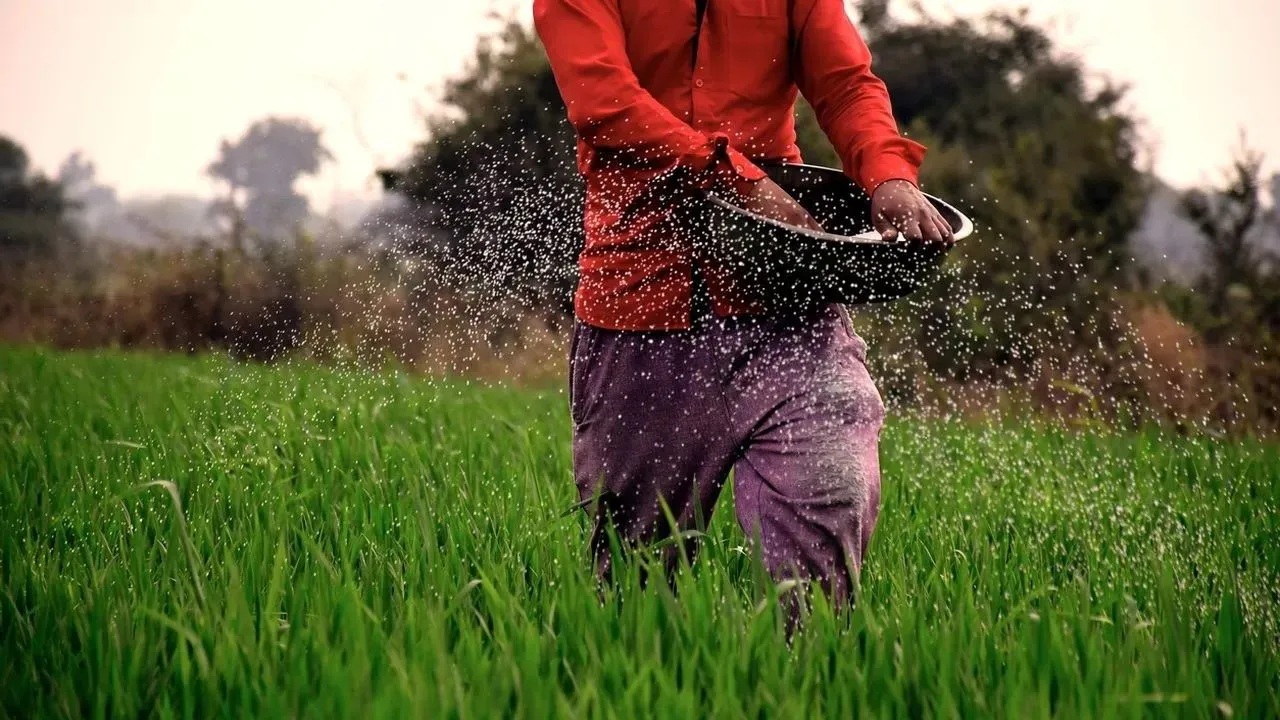
Sowing for the kharif season typically begins in June–July.
Synopsis: Telangana has sought 2 lakh tonnes of urea per month for April to June and a higher overall kharif quota to build stocks ahead of the sowing season, when demand peaks. The Centre has said national supplies are adequate and has assured Telangana of support, while the state is also working to improve fertiliser distribution to farmers.
The Telangana government has sought 2 lakh tonnes of urea per month for April, May and June from the Union government to secure supplies ahead of the crucial kharif agricultural season.
Sowing for the kharif season typically begins in June–July. Demand for urea—used to replenish nitrogen in the soil—peaks during this period. Officials estimate that urea consumption could rise to at least 3 lakh tonnes per month in July and August.
Agriculture Minister Tummala Nageswara Rao has written to Union Minister for Chemicals and Fertilisers JP Nadda, requesting the allocation without delay. Rao also made a similar appeal to Union Agriculture Minister Shivaraj Singh Chauhan at a video conference on 1 April. He reminded Chauhan that the Centre had allotted 2 lakh tonnes of urea for Telangana for April and asked for similar allotments for May and June.
In previous years, Telangana has faced periodic shortages during peak kharif months, which led farmers to queue early in the morning to secure fertiliser and triggered protests and widespread discontent against the ruling Congress.
Officials remain wary of external risks that could affect availability. The ongoing US–Israel war involving Iran is expected to severely cripple fertiliser production due to shortages of crude oil and raw materials.
Telangana has also urged the Centre to increase its overall urea quota for the upcoming kharif from about 10 lakh tonnes to 11.50 lakh tonnes.
This is based on projections that opening buffer stocks at the start of the season may not exceed 50,000 tonnes, far below required levels.
A shift in cropping patterns is also pushing demand up. Officials say many farmers are moving away from cotton to maize, which requires more urea. This change is expected to increase fertiliser use during the season.
Meanwhile, the state government is focusing on improving fertiliser distribution at the grassroots. It continues to promote its Urea and Fertilizer Booking Mobile Application, which allows farmers to book fertilisers online and collect them from designated centres such as Rythu Vedikas.
The initiative aims to improve transparency, reduce overcrowding at fertiliser outlets, and curb black market practices reported during periods of high demand. Officials say lakhs of farmers have used the platform in recent seasons.
The Centre, which controls urea production, imports and state-wise allocations, has said adequate supplies will be available nationally for the kharif season.
National stock levels are currently higher than in previous years, which offers some reassurance to states that depend on central allocations. Union Minister JP Nadda has assured Telangana of support in meeting its requirements and ensuring timely supplies.


