

Published Dec 03, 2025 | 4:07 PM ⚊ Updated Dec 03, 2025 | 4:07 PM

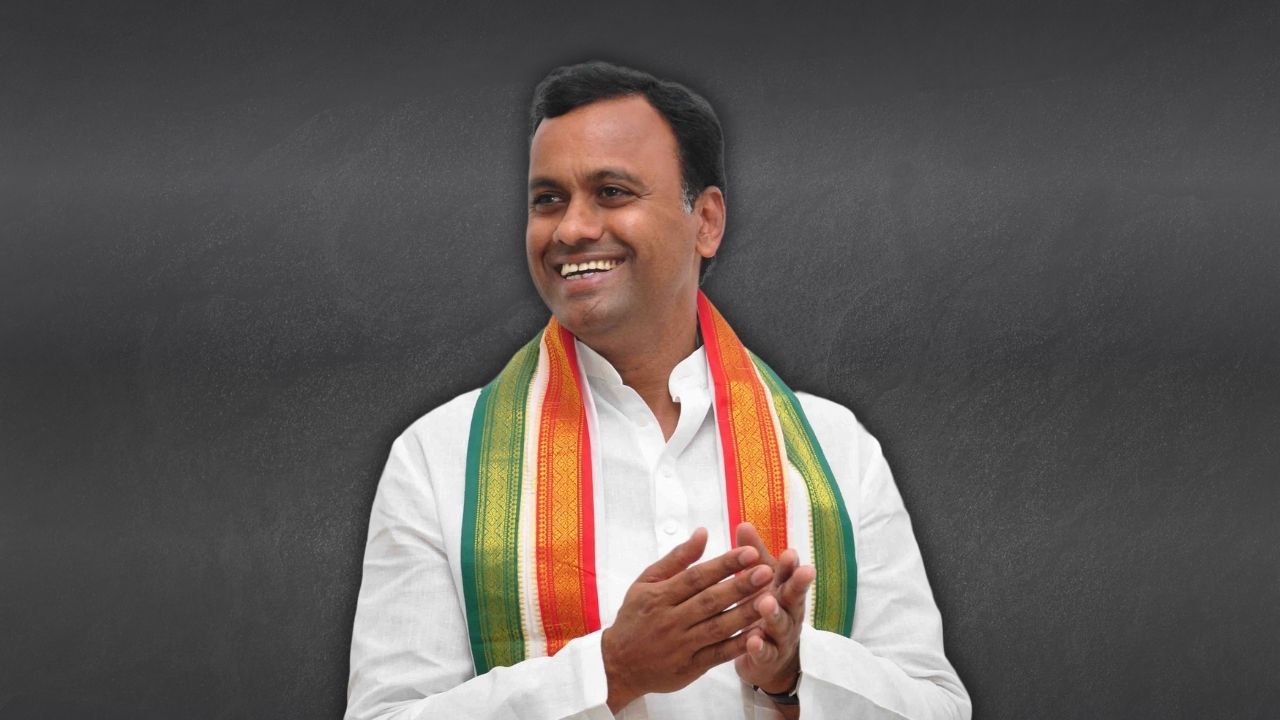
Komatireddy Rajagopal Reddy.
Synopsis: Congress MLA Komatireddy Rajagopal Reddy’s decision stemmed from his concern over rising alcohol consumption among Munugode youth. He has repeatedly expressed distress over young men gathering outside liquor shops as early as 10 am and spending long hours there.
In Munugode, MLA Komatireddy Rajagopal Reddy’s diktat is final: not even the government seems to have a say in it.
In a rare instance of a legislator directly reshaping local excise practices, Rajagopal Reddy of the Congress has imposed his own operating hours on liquor shops across his constituency in Telangana’s Nalgonda district.
His directive — shorter and tighter than the Excise Department’s fixed timings — has been put into effect by all liquor merchants in the area as of 1 December, following the issuance of new shop licences.
Timings enforced by the MLA:
These timings deviate significantly from the Excise Department’s official schedule of 10 am to 11 pm.
According to local merchants, the MLA communicated the restrictions even before the new liquor licences were auctioned.
Prospective bidders were told to abide by his timings if they intended to apply. Those unwilling to comply, he warned, should stay away from the tendering process.
For merchants who already held licences and feared losses due to restricted hours, Rajagopal Reddy reportedly suggested transferring their licences to individuals he would recommend—people who would follow the new schedule.
Rajagopal Reddy’s decision stemmed from his concern over rising alcohol consumption among Munugode youth. He has repeatedly expressed distress over young men gathering outside watering holes as early as 10 am and spending long hours there.
The MLA cited a series of alcohol-related health issues and premature deaths among young men. He argued that limiting the availability of liquor would help curb excessive consumption and protect vulnerable sections of the population.
Despite the inconvenience, liquor traders were strictly adhering to the new timings. Munugode has around 24 liquor shops, and all have complied since the new excise policy cycle began on 1 December.
Some merchants approached Excise Minister Jupally Krishna Rao, seeking his intervention to restore the official timings. However, the minister reportedly declined to get involved but redirected them to Rajagopal Reddy.
The MLA, according to merchants, remained firm and refused to budge.
While the MLA’s unilateral enforcement has raised questions about administrative protocol and legal authority, its social impact may prove significant.
Restricting the availability window could reduce casual or impulsive drinking, especially among younger consumers.
Public health experts often linked reduced access to lower alcohol dependency rates. If the trend continued, Munugode may witness a gradual decline in early-age drinking and associated health risks.
Although the approach—circumventing official excise timings and warning merchants about tender participation—may draw criticism for overreach, the MLA’s supporters argued that his intentions were rooted in public welfare. By pushing for shorter sale hours, they said, Rajagopal Reddy was prioritising the well-being of young constituents over commercial interests.
For now, the MLA’s guidelines have effectively reshaped liquor trade operations across the constituency. Whether the model would spread to other districts or trigger administrative pushback remains to be seen.
(Edited by Majnu Babu).


