

Published Apr 11, 2026 | 12:52 AM ⚊ Updated Apr 11, 2026 | 12:52 AM

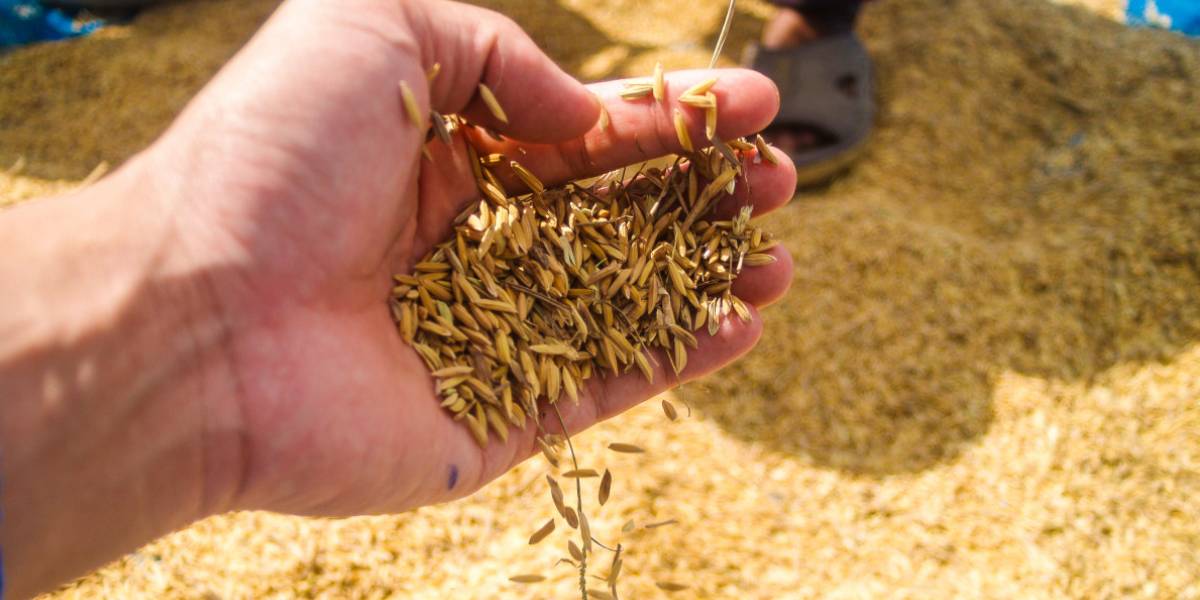
Telangana’s Rabi paddy is largely suited for parboiling rather than raw rice milling.
Synopsis: In a letter to Union Food and Public Distribution Minister Pralhad Joshi, State Civil Supplies Minister N Uttam Kumar Reddy flagged a “growing mismatch” between ground realities and allocations fixed by the Food Corporation of India.
The Telangana government has sounded an SOS to the Centre over the rising financial and logistical strain of paddy procurement.
It has urged the Union government to step in with higher quotas and more flexibility in the procurement of rice from the State.
In a letter to Union Food and Public Distribution Minister Pralhad Joshi, State Civil Supplies Minister N Uttam Kumar Reddy flagged a “growing mismatch” between ground realities and allocations fixed by the Food Corporation of India.
The missive, laid bare the pressure Telangana is facing as it ramps up procurement to protect farmers from distress sales. Operating under the Decentralised Procurement Scheme (DCP), the State has been procuring paddy on behalf of the Centre, often going above and beyond its mandate.
In doing so, Telangana has been dipping into its own coffers—raising bank loans, bearing interest costs, and managing large-scale logistics—to ensure that farmers receive the Minimum Support Price (MSP).
“The state government is availing bank loans and incurring heavy interest in the procurement of paddy from farmers to prevent them from resorting to distress sale,” Reddy said in the letter.
But this farmer-first approach is beginning to pinch. A widening gap between actual procurement, FCI targets, and rigid delivery timelines is putting the system under stress. Stocks are piling up. Deadlines are looming. And finances are tightening.
One of the immediate flashpoints is the pending rice stock from the Rabi 2024–25 season. Telangana currently has 8.45 lakh metric tonnes (LMT) of rice ready for delivery to the central pool. However, the Centre did not lift these stocks before the 28 February deadline, leaving the State in a bind.
With warehouses filling up and the next procurement cycle underway, the government has sought a 60-day extension to complete deliveries. So far, there has been no response from New Delhi.
The issue is not just about timelines: it’s also about the type of rice being procured. Telangana’s Rabi paddy is largely suited for parboiling rather than raw rice milling. Recognising this, the state had initially requested a boiled rice procurement target of 10 LMT for 2024–25. However, in a bid to find middle ground, it has now scaled down its demand to at least 5 LMT, along with a corresponding reduction in raw rice targets.
Even this revised ask, officials said, is grounded in reality. Over the past six Rabi seasons, boiled rice has consistently accounted for a significant share of Telangana’s output—ranging between 60% and 92% of total deliveries. On average, it comfortably exceeds the 70% mark. Yet, allocations from the Centre have failed to reflect this trend.
The second, and more pressing, demand relates to the Kharif Marketing Season (KMS) 2025–26, which includes both Kharif and Rabi crops. The Centre has allotted a boiled rice target of just 20 LMT for Telangana. But procurement figures tell a different story.
During the Kharif season alone, the state procured 71.86 LMT of paddy. Looking ahead, officials are expecting a bumper Rabi harvest of around 95 LMT—most of which will be converted into boiled rice. Against this backdrop, the current allocation appears grossly inadequate. It’s a drop in the ocean which underscoring the mismatch between production and procurement targets.
To bridge this gap, the state has now sought an additional 20 LMT of boiled rice allocation. If approved, the total target would rise to 40 LMT, offering some breathing room to the system. If not, officials are worried, the procurement machinery risks choking under the weight of its own success.
“There is an imperative need for enhancement of target to protect farmers from distress sale. It is therefore requested that the paddy procurement target be enhanced,” Reddy said, reiterating the state’s position.
Behind the numbers lies a deeper concern—financial sustainability. Telangana’s aggressive procurement strategy has been a lifeline for farmers, ensuring assured prices and shielding them from market volatility. But it comes at a cost. Borrowings, interest payments, storage expenses, and delayed reimbursements are all adding up, stretching the State’s fiscal bandwidth.
The situation also lays bare structural challenges within the DCP framework. While State handles procurement and milling, the Centre, through the FCI, is responsible for distribution. As production surges, especially in irrigated belts like Telangana, States are increasingly calling for more realistic targets and operational flexibility.
For now, the State is keeping its fingers crossed on on the Centre’s response. With procurement cycles overlapping and stocks mounting, time is of the essence. The stakes are high, not just for the State’s finances, but for lakhs of farmers who depend on timely procurement to stay afloat.
(Edited by Majnu Babu).


