

Published Apr 05, 2026 | 3:28 PM ⚊ Updated Apr 05, 2026 | 3:28 PM

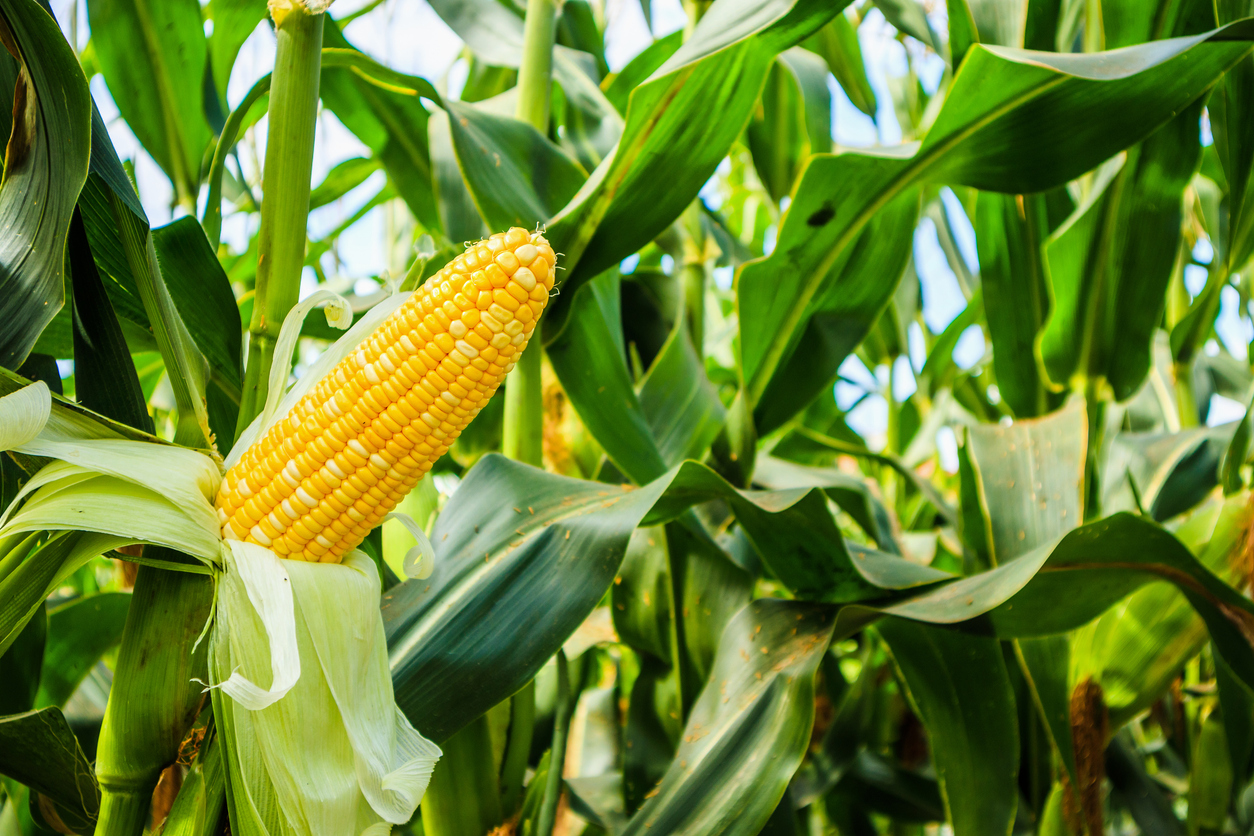
Representational image. Credit: iStock
Synopsis: Telangana farmers are steadily shifting from cotton to maize, driven by better returns, lower risks, and rising demand from poultry, livestock, and ethanol sectors. Maize acreage has expanded sharply since 2025, prompting higher urea demand and procurement adjustments. Despite challenges like pests and storage issues, policy support and strong market demand are expected to sustain this cropping transition into Kharif 2026.
Telangana is witnessing a crucial shift in cropping patterns. Farmers are increasingly moving away from cotton cultivation towards maize during recent Kharif seasons. The trend that gathered momentum in 2025, is expected to continue into 2026.
The transition reflects a broader change in agricultural practices. Economic considerations, changing market demand, and evolving risk factors driving the shift. Traditionally a major cash crop in the state, cotton has been gradually losing ground to maize. It is emerging as a more stable and remunerative alternative for farmers.
Official estimates indicate that the area under maize cultivation in Telangana has expanded steadily over the past two seasons. During Kharif 2024-25, maize was cultivated across approximately 2.03 to 2.21 lakh hectares, producing around 9.52 lakh tonnes. However, in Kharif 2025, the acreage saw a marked increase, rising to nearly 2.60 lakh hectares in some assessments.
The surge has been particularly evident in districts such as Khammam, Nirmal, Warangal (Rural and Urban), and Jagtial, where farmers have shifted to maize in large numbers. Mid-season data for 2025 also showed maize sowing touching about 6.36 lakh acres, significantly higher than the normal 5.21 lakh acres.
This state-level trend is in line withs with the emering national pattern. India’s maize cultivation area has expanded sharply in recent years, growing by nearly 64.7 percent from 2019-20 levels to about 15.76 million hectares projected for 2025-26, with southern states like Telangana contributing to this diversification.
In contrast, cotton cultivation in Telangana has either stagnated or declined slightly. Various projections have indicated a drop of around 11 percent in cotton acreage for 2025-26, although some regions reported marginal increases due to local factors. Overall, the trend points to a gradual shift away from cotton in favour of crops like maize and, in some cases, paddy.
Farmers in districts such as Adilabad have also moved away from soybean cultivation, which has been affected by pest attacks and inconsistent yields, opting instead for maize due to its relatively lower risk and input requirements.
According to official sources, the shift primarily is due to economic factors. Maize has offered more stable and often better returns compared to cotton, which has faced persistent challenges such as price volatility and pest infestations, particularly the pink bollworm. Lower productivity in recent years has further discouraged cotton growers.
Maize, on the other hand, benefits from strong and growing demand, especially from the poultry and livestock feed sectors as well as the ethanol industry. The national push for ethanol blending has indirectly boosted maize prices, making it an attractive option for farmers.
Input costs and risk considerations have also played a crucial role. Cotton is relatively input-intensive and requires higher investments in fertilizers and pesticides, while maize is perceived to be less resource-intensive in certain conditions. This apart, maize is less vulnerable to erratic weather compared to cotton, which is more sensitive to excess rainfall and waterlogging.
Farmers have also shifted from crops like chilli, following price crashes and losses, further contributing to the expansion of maize acreage.
The change in cropping pattern has had a direct impact on fertilizer consumption, particularly urea. As a nitrogen-intensive crop, maize requires higher urea application, leading to increased demand across the state.
The Telangana government has identified this shift as a key factor behind rising fertilizer requirements and has sought higher allocations from the Centre. For the upcoming Kharif 2026 season, the state has requested an increase in urea allocation from around 10 lakh tonnes to 11.50 lakh tonnes.
The expansion of maize cultivation have further intensified demand during peak months, especially in July and August. During the 2025 Kharif season, this led to reported shortages, with farmers forming long queues at distribution centres, triggering political battles.
In response, the state introduced measures such as a Urea Booking Mobile App to streamline distribution and ensure transparency by linking supply to crop area and farmer demand.
To support maize farmers, the state has also adjusted procurement norms. The per-acre limit for maize procurement has been increased to 25 quintals from the earlier 18 quintals, and plans have been made to procure around 8 lakh tonnes through approximately 125 centres.
Despite the growth in maize cultivation, challenges remain. Pest infestations such as fall armyworm, rising seed costs, and crop damage caused by wild animals and birds continue to affect productivity. Post-harvest losses and storage issues are additional concerns.
Agricultural authorities are focusing on strengthening extension services and promoting Integrated Pest Management (IPM) practices to address these challenges.
While the shift from cotton to maize is not uniform across all regions, the overall trend indicates a steady move toward maize cultivation in Telangana. The pattern underscores farmers’ preference for crops that offer better returns and lower risk in an uncertain agricultural environment.
With demand for maize expected to remain strong and policy support continuing, the shift is likely to influence cropping decisions in the upcoming Kharif 2026 season. At the same time, it is placing increasing pressure on input supply systems, particularly fertilizers, prompting the state government to intensify its engagement with the Centre to ensure adequate availability.


