


Published Jan 03, 2026 | 6:30 PM ⚊ Updated Jan 03, 2026 | 6:30 PM

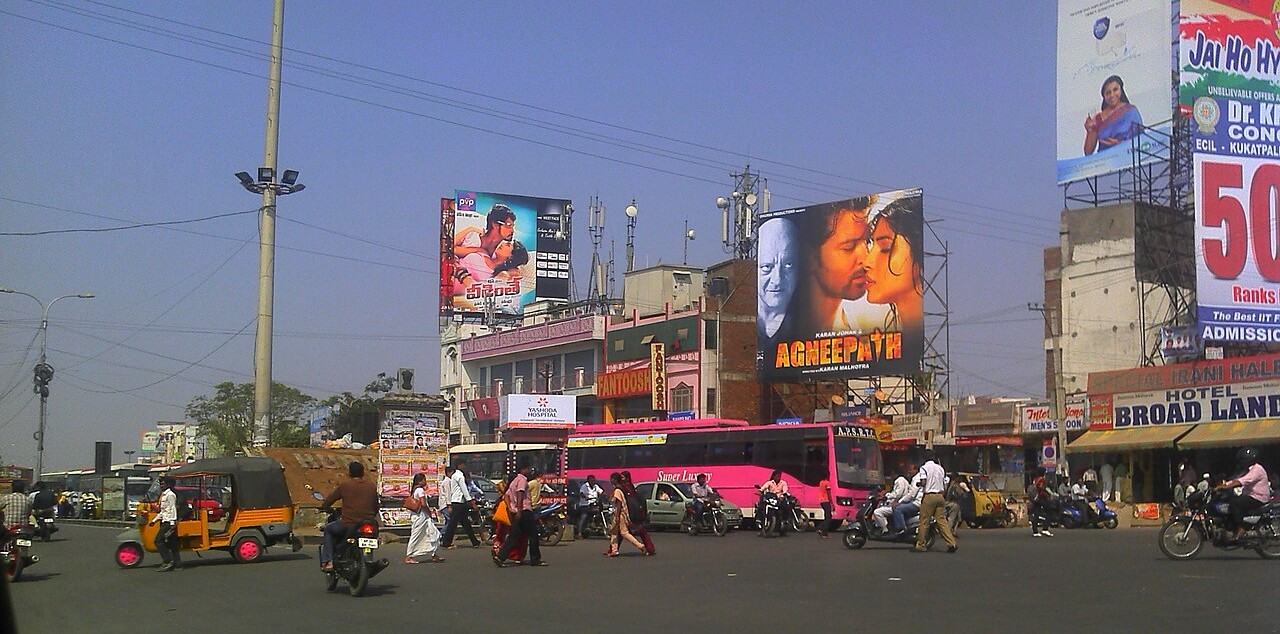
The cess is expected to fetch around ₹300 crore annually. The entire amount will be used for road safety works, infrastructure upgrades and awareness drives. (Srikarkashyap/Creative Commons)
Synopsis: Transport Minister Ponnam Prabhakar tabled the Bill during the winter session of the third Telangana Assembly. He emphasised that the measure aligns with Supreme Court directives and mirrors practices followed in states such as Maharashtra, Karnataka, and Kerala. The Bill was passed amid intense debates.
In a move to improve road safety and cut accident-related deaths, the Telangana Legislative Assembly on Friday, 2 January, passed the Motor Vehicles Taxation (Amendment) Bill, 2025.
The law introduces a one-time road safety cess on newly registered vehicles and revamps taxation for light goods vehicles. The aim, the government said, is to save lives, not squeeze revenue.
Transport Minister Ponnam Prabhakar tabled the Bill during the winter session of the third Telangana Assembly. He emphasised that the measure aligns with Supreme Court directives and mirrors practices followed in states such as Maharashtra, Karnataka, and Kerala.
The Bill sailed through amid intense debates on transport reforms and urban governance. Its passage comes at a time when Telangana is battling high road accident fatalities. The gravity of the situation prompted the police department to stretch Road Safety Week into a full month-long campaign in January.
The core of the amendment is a one-time road safety cess to be collected at the time of registration of new vehicles. Old and existing vehicles are kept out of its ambit. There is no retrospective burden.
The cess is expected to fetch around ₹300 crore annually. The entire amount will be used for road safety works, infrastructure upgrades and awareness drives.
The cess structure is:
Auto-rickshaws, tractor-trolleys and vehicles used for agriculture or livelihood purposes are exempted from the cess.
Explaining the rationale, Prabhakar said the funds would be used to fix black spots, install speed cameras, set up Automated Driving Testing Stations and strengthen District Road Safety Committees.
Traffic education will also get an impetus, with school programmes supported by UNICEF, including Children’s Traffic Awareness Parks and parental affidavits on safety compliance.
The Bill also does away with the quarterly tax system for light goods vehicles. In its place, a lifetime tax will be collected at the time of registration. The move covers four-wheeled light goods carriers and goods autos.
Under the new regime, a freshly registered vehicle will pay 7.5% of its cost as tax. Vehicles brought in from other states will be taxed based on age—6.5% if under three years, 5% if between three and six years, and 4% if older than six years.
The minister said the shift would simplify compliance and ensure steady revenues. He noted that the transport department regulates nearly 1.8 crore vehicles but lacks manpower for micro-level monitoring.
“Vehicle fitness and rule compliance are everyone’s responsibility,” he told the House.
Despite revenue implications, tax concessions for EVs will continue to promote green mobility and reduce pollution.
The Bill was introduced on the second day of the winter session after the House reconvened following adjournments. The debate saw members flag rising accidents and lapses in enforcement.
Citing tragedies such as the Vikarabad bus accident, Prabhakar said negligence was costing lives. “Check your vehicle’s fitness. Follow the rules. Our goal is to save lives, not merely raise revenue,” he said.
(Edited by Majnu Babu).


