


The Bill, which supersedes an earlier ordinance on the matter, was introduced and unanimously approved on 3 January.

Published Jan 05, 2026 | 3:07 PM ⚊ Updated Jan 05, 2026 | 3:07 PM

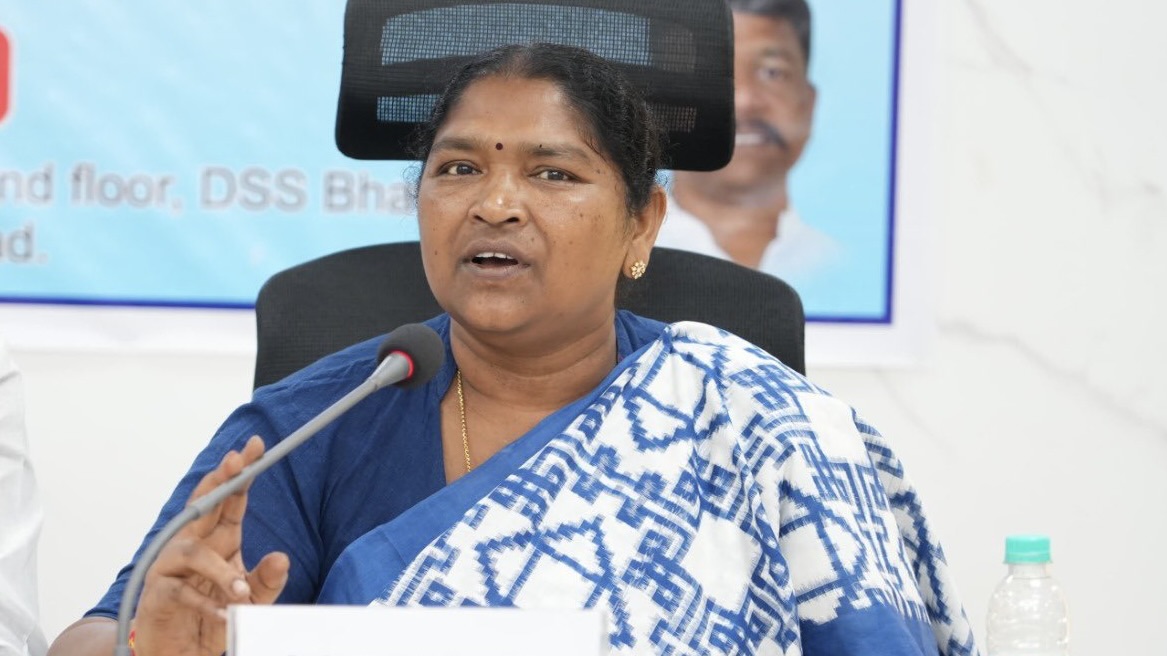
Minister Seethakka tabled the Bill in the Assembly.
Synopsis: The Telangana government’s policy shift addresses concerns over declining fertility rates and aims to broaden participation in grassroots democracy, marking a significant departure from a rule established in 1994 under the undivided Andhra Pradesh.
The Telangana Legislative Assembly has passed the Telangana Panchayat Raj (Amendment) Bill, 2026, effectively eliminating the two-child norm that had restricted individuals with more than two children from contesting in local body elections.
The Bill, which supersedes an earlier ordinance on the matter, was introduced and unanimously approved on 3 January.
This policy shift addresses concerns over declining fertility rates and aims to broaden participation in grassroots democracy, marking a significant departure from a rule established in 1994 under the undivided Andhra Pradesh.
Panchayat Raj Minister Danasari Anasuya Seethakka, who tabled the Bill, highlighted the evolving demographic landscape as the primary rationale.
“The time has come to remove the two-child norm given the changes in society and the fall in fertility rate,” Seethakka stated during the debate.
She further explained that the government had reviewed the policy with an eye toward the long-term future of generations, incorporating views from representatives of Panchayat Raj institutions.
The minister warned that “a decline in population growth would lead to undesirable consequences for the state’s future,” emphasising that the amendment would help arrest the falling fertility rate while enabling more citizens to participate in local polls.
This reform in Telangana builds on a similar initiative in neighbouring Andhra Pradesh, where the state government there had already scrapped the norm in 2024.
In Andhra Pradesh, the Cabinet approved the decision to abolish the two-child restriction on 7 August 2024, during a meeting chaired by Chief Minister N Chandrababu Naidu. Following this, two key Bills were introduced in the assembly on 14 November 2024: the Andhra Pradesh Panchayat Raj (Amendment) Bill, 2024, and the Andhra Pradesh Municipal Laws (Amendment) Bill, 2024.
These amendments targeted the Andhra Pradesh Panchayat Raj Act and the Municipal Corporations Act, removing the disqualification clause for candidates with more than two children. The Bills were passed on 18 November 2024.
The Andhra Pradesh legislation was driven by alarming demographic trends, including a drop in the Total Fertility Rate from 3.7 in 1992-93 to 1.6, according to the latest National Family Health Survey—below the replacement level of 2.1.
Andhra Minister Nadendla Manohar, who introduced the Panchayat Raj Bill on behalf of Deputy Chief Minister K Pawan Kalyan, articulated the government’s position: “Three decades later, the rule had to be disbanded as the State’s Total Fertility Rate fell from 3.7 in 1992-93 to 1.6 now… The population of children aged below 15, which was 28.60% in 2015-16, slid to 26.50% while that of the elderly had increased. To ensure that the State had a young population in the future, the government took the progressive step of doing away with the rule, as the days of family planning were gone.”
Municipal Administration Minister P Narayana handled the urban-focused Bill, aligning it with the same objectives to counteract population decline and support economic sustainability.
Both states’ actions reflect a reversal from population control measures toward encouraging growth amid fears of an ageing society and shrinking workforce.
In Andhra Pradesh, Chief Minister Naidu has been vocal about the need for such policies, framing them as essential for long-term development.
Critics, however, argue that these changes could undermine family planning efforts, though proponents insist they promote inclusivity in local governance.
With local body elections on the horizon in both states, these amendments are poised to expand the pool of eligible candidates, potentially reshaping rural and urban political landscapes.
(Edited by Majnu Babu).


