

Published Mar 17, 2026 | 11:38 AM ⚊ Updated Mar 17, 2026 | 11:38 AM

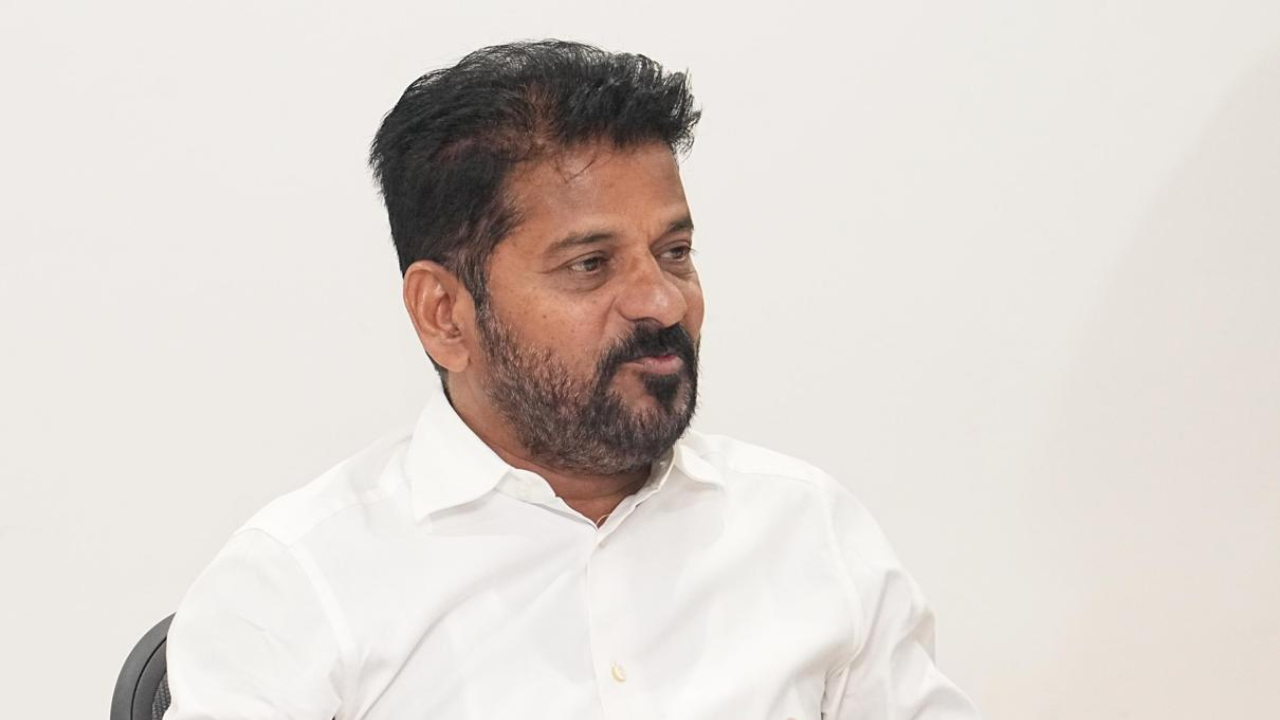
Telangana Chief Minister Revanth Reddy. Credit: x.com/revanth_anumula
Synopsis: Telangana’s Congress government will release the first instalment of Rythu Bharosa funds on 22 March, with CM Revanth Reddy launching the scheme in Siddipet. Targeting 70 lakh farmers, ₹18,000 crore is allocated for 2025–26. The staggered disbursal, replacing Rythu Bandhu, aims to bolster Congress’ rural image while addressing fiscal strain and tenant farmer criticism.
Apparently in a move to lift its sagging pro-farmer image, the Congress government in Telangana has announced the release of the first instalment of funds under the Rythu Bharosa scheme starting 22 March.
Chief Minister A Revanth Reddy will personally launch the disbursement at a high-profile event in Narmetta village of Siddipet district, the impregnable bastion of the opposition BRS. The district is home to Gajwel and Siddipet constituencies which former chief minister K Chandrasekhar Rao and former finance Minister T Harish Rao represent in the Assembly.
Rythu Bharosa targets approximately 70 lakh farmers covering roughly 1.38–1.50 crore cultivable acres. In the 2025-26 financial year, the state has allocated a dedicated Rs 18,000 crore for the scheme — Rs 9,000 crore per season — making it the single largest component under the Congress’ “Six Guarantees” (total Rs 56,084 crore).
The decision to disburse rythu Bharsoa money comes after a high-level review meeting chaired by the Chief Minister on Sunday, 15 March, with Deputy Chief Minister Mallu Bhatti Vikramarka, Agriculture Minister Tummala Nageswar Rao, Chief Secretary K Ramakrishna Rao among others.
The disbursal will be done in three tranches and the total amount would be Rs. 9,000 crore directly into the bank accounts of eligible farmers.
Under the plan, the first instalment of ₹3,590 crore will benefit approximately 70 lakh farmers owning up to one acre of land on March 22. The second instalment of ₹2,650 crore will follow after a 20-day gap, while the remaining funds will be transferred by the end of April. This staggered approach has betrayed the tenuous financial position of the state government.
Rythu Bharosa, essentially a rechristened and slightly enhanced version of the previous Bharat Rashtra Samithi (BRS) government’s flagship Rythu Bandhu scheme, provides investment support of ₹6,000 per acre per crop season—or ₹12,000 annually—to farmers for cultivable land.
Launched by Congress in January 2025 after initial delays, the scheme marks a partial fulfilment of the party’s 2023 election manifesto promises under its “Six Guarantees.”
Congress had vowed to raise the support to ₹7,500 per acre per season (₹15,000 annually), extend coverage to tenant farmers, and introduce ₹12,000 annual assistance for landless agricultural labourers through a related scheme, Indiramma Atmeeya Bharosa.
In practice, the government settled for ₹12,000 per acre per year after citing fiscal constraints, while conducting land surveys to exclude non-cultivable parcels—an exercise that omitted around 8-12 lakh acres previously covered under Rythu Bandhu.
Tenant inclusion remains limited, drawing criticism from farmer groups who argue that nearly 40 percent of cultivable land is operated by tenants without ownership records.
For Congress, which swept to power in December 2023 riding on anti-incumbency against BRS but has since faced accusations of slow delivery on key promises, this timely release is expected to carry political weight.
With municipal elections recently concluded and challenges like state debt remaining elevated, pending pension hikes, and women’s financial assistance schemes looming, the government is under pressure to demonstrate tangible welfare delivery.
By front-loading benefits for small farmers—who constitute the bulk of Telangana’s 70+ lakh farming households and form a critical vote bank—Congress aims to counter narratives of neglect and “betrayal” peddled by BRS leaders like KT Rama Rao.
The phased model, starting with the smallest holders, addresses concerns larges segment of farming community while minimising immediate fiscal strain.
The 22 March rollout offers Congress a much-needed image reset. After two years in power marked by infrastructure pushes and urban-focused initiatives, rural distress—exacerbated by erratic monsoons and input costs—has tested the government’s rural connect. Fulfilling this key guarantee visibly, especially through a high-visibility district event, is expected lift the sagging image of the Congress.
It also is expected to neutralise BRS attacks by reclaiming ownership of a popular welfare architecture originally conceptualised by K. Chandrashekar Rao but now rebranded and sustained under Congress.
As funds hit farmers’ bank accounts from 22 March, the real test will be on-ground impact—whether this cash infusion aids timely Rabi operations and rebuilds trust eroded by earlier delays. For now, the announcement provides a morale boost to the farming community and a strategic lifeline to the ruling party’s rural image.


