

Published Nov 07, 2026 | 8:00 PM ⚊ Updated Nov 07, 2026 | 8:00 PM

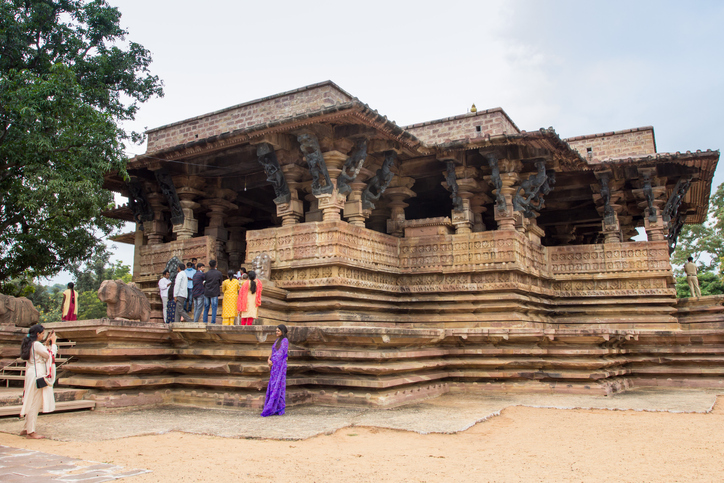
Tourists and devotees at Ramappa temple, about 220 kms from Hyderabad, in Telangana state, India. This ancient Shiva temple, with intricate carvings, was added by Unesco to its world heritage list in July 2021.

Synopsis: The NGT noted concerns about the proposed open-cast coal mining project by Singareni Collieries Company Limited near Venkatapur in Mulugu. The Tribunal acted on a 5 October news report highlighting apprehensions from heritage conservationists about the proposed mining activity. Reports indicated that excavation activities were proposed about 300 metres from the historic Ramappa Lake. The NGT also considered concerns that mining-related changes in groundwater levels could influence underground water movement through geological faults and lineaments, potentially affecting the lake and the surrounding heritage landscape.
The proposed coal mining project near the UNESCO World Heritage Site of Ramappa Temple in Telangana’s Mulugu district has come under the scrutiny of the National Green Tribunal (NGT), bringing renewed focus to the potential environmental and structural consequences of mining in this historically significant region.
Taking suo motu cognisance of media reports highlighting the possible threat to the 13th-century Kakatiya monument and the adjoining historic Ramappa Lake, the NGT has registered an original application, observing that the issue raises substantial questions concerning environmental compliance and the implementation of environmental protection laws.
A Bench headed by NGT Chairperson Justice Prakash Shrivastava and Expert Member Dr Afroz Ahmad took note of concerns surrounding the proposed open-cast coal mining project of Singareni Collieries Company Limited (SCCL) near Venkatapur in Mulugu. The Tribunal acted on a 5 October news report highlighting apprehensions from heritage conservationists about the proposed mining activity.
The Tribunal particularly took note of reports indicating that excavation activities were proposed at a distance of around 300 metres from Ramappa Lake. It also considered concerns that mining-related changes in groundwater levels could influence underground water movement through geological faults and lineaments, potentially affecting the lake and the surrounding heritage landscape.
Related: Mulugu’s 13th century Ramappa temple has 21st century problems
Of particular concern is the structural vulnerability of the nearly 800-year-old Ramappa Temple, renowned for its distinctive sand-box foundation. Conservationists have expressed concerns that vibrations from blasting, deep excavation, and heavy machinery could aggravate existing structural weaknesses in the monument.
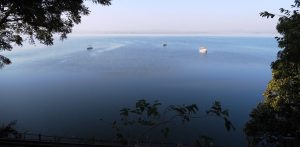
Ramappa Lake was constructed in 1213 CE by Recherla Rudra, a general and minister under the Kakatiya dynasty. (Thirumal Prasad Patil/Creative Commons)
The NGT observed that the reported circumstances could involve possible violations of the Environment (Protection) Act, 1986, warranting examination by the authorities concerned.
The Tribunal has impleaded the Telangana State Pollution Control Board, Mulugu District Collector, Central Pollution Control Board, the Regional Office of the Union Ministry of Environment, Forest and Climate Change at Chennai, and the Central Ground Water Authority as respondents. The NGT has issued notices directing them to submit their responses through affidavits.
As the matter falls within the jurisdiction of its Southern Zonal Bench, the Principal Bench has transferred the case, along with the original records, to Chennai for further proceedings.
The development is significant against the backdrop of ongoing opposition from heritage conservationists and local stakeholders to the proposed mining project. Earlier, Mulugu District Collector Hemant Sahadeorao Bhorkhade said the project would not proceed without comprehensive scientific and environmental assessments.
Ramappa Temple, formerly known as Kakatiya Rudreshwara Temple, received UNESCO World Heritage recognition on 25 July 2021. The historic Ramappa Lake, an important Kakatiya-era irrigation structure, is also an integral part of the region’s heritage and ecological landscape.
The NGT intervention has now brought the proposed mining project into a wider environmental and legal examination, with the protection of Telangana’s internationally recognised heritage becoming a central concern.
(Edited by Majnu Babu).



