

Published Apr 24, 2026 | 3:11 PM ⚊ Updated Apr 24, 2026 | 3:11 PM

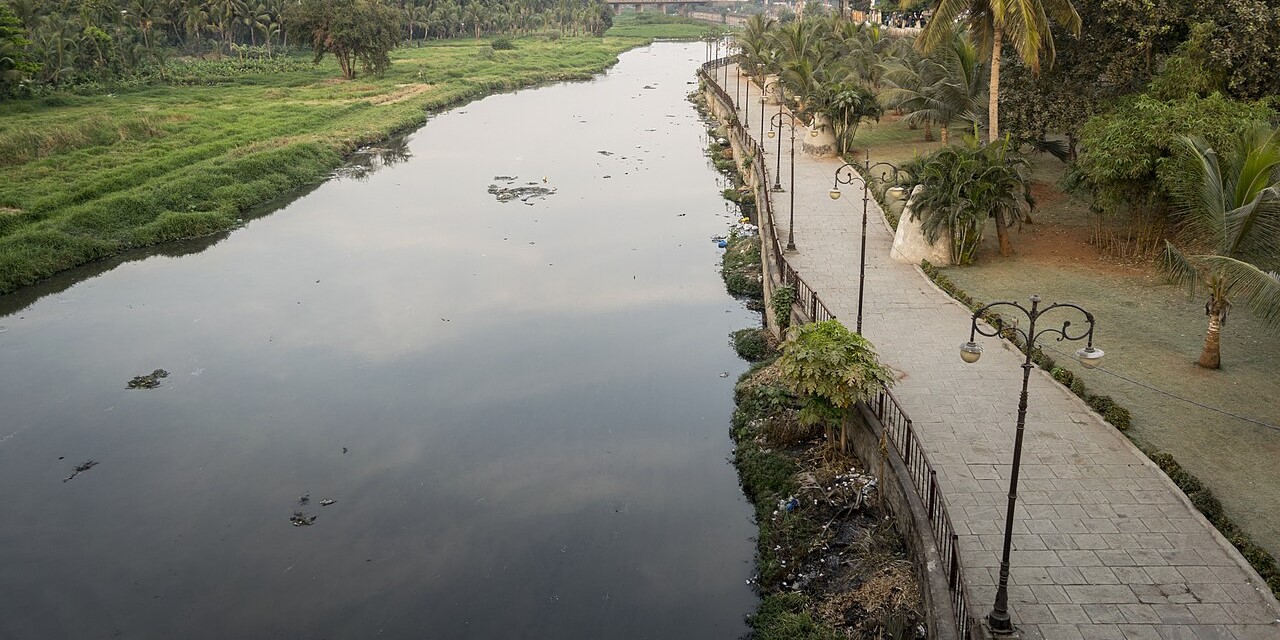
File image of Musi river. (Creative Commons)

Synopsis: MJA raised serious concerns about the project’s current design, alleging that it prioritises commercial development and riverfront “concretisation” over ecological restoration. It warned that more than 12,000 families could face displacement in the first phase alone.
The Musi Jan Andolan (MJA), an independent citizens’ platform working for the protection of the Musi River and its riparian communities, has urged the Telangana government to make public all key documents related to the proposed riverfront development project before initiating any consultations.
In a formal submission dated 14 April to a Cabinet Sub-Committee constituted under GO Rt No. 406. dated 27 March 2026, the group called for a comprehensive re-evaluation of the Musi Riverfront Development plan. The committee is chaired by Deputy Chief Minister Bhatti Vikramarka Mallu and includes ministers Duddilla Sridhar Babu and Ponnam Prabhakar.
The MJA argued that any consultation process at this stage would lack credibility unless the government proactively discloses all relevant technical, financial, and environmental documents. The platform accused the state of maintaining “strategic secrecy,” which it said undermines the possibility of meaningful public engagement.
Also Read: A critical assessment of the Musi Riverfront Project
The group has demanded that the government place in the public domain the full Draft Detailed Project Reports (DPRs) for all five phases of the project, along with sewage management plans, flood mitigation strategies, and data used to identify 10,017 structures and 3,279 acres of land marked for acquisition under GO Ms No. 921, dated 16 December, 2025. It has also sought that these documents be made available in English, Telugu, and Urdu before any public hearings are conducted.
In its submission, MJA raised serious concerns about the project’s current design, alleging that it prioritises commercial development and riverfront “concretisation” over ecological restoration. It warned that more than 12,000 families could face displacement in the first phase alone.
The platform also criticised GO Ms No. 921 for exempting the project from a Social Impact Assessment, a requirement under the Right to Fair Compensation and Transparency in Land Acquisition, Rehabilitation and Resettlement Act, 2013. It called for the repeal of the state’s 2017 amendment to the central legislation, terming it regressive.
MJA further cautioned that focusing on aesthetic riverfront development without addressing core issues such as industrial pollution could prove counterproductive. It warned that such an approach could exacerbate urban flooding risks and negatively impact long-term groundwater sustainability.
As of 24 April, the organisation said it has not received any formal acknowledgement from the Cabinet Sub-Committee regarding its submission. It expressed hope that the panel would respond soon and ensure that all requested documents are made public. The group maintained that only after a thorough review of the disclosed materials would it be in a position to engage constructively with the committee and present detailed suggestions.
(Edited by Majnu Babu).



