


Published Dec 15, 2025 | 12:17 AM ⚊ Updated Dec 15, 2025 | 12:17 AM

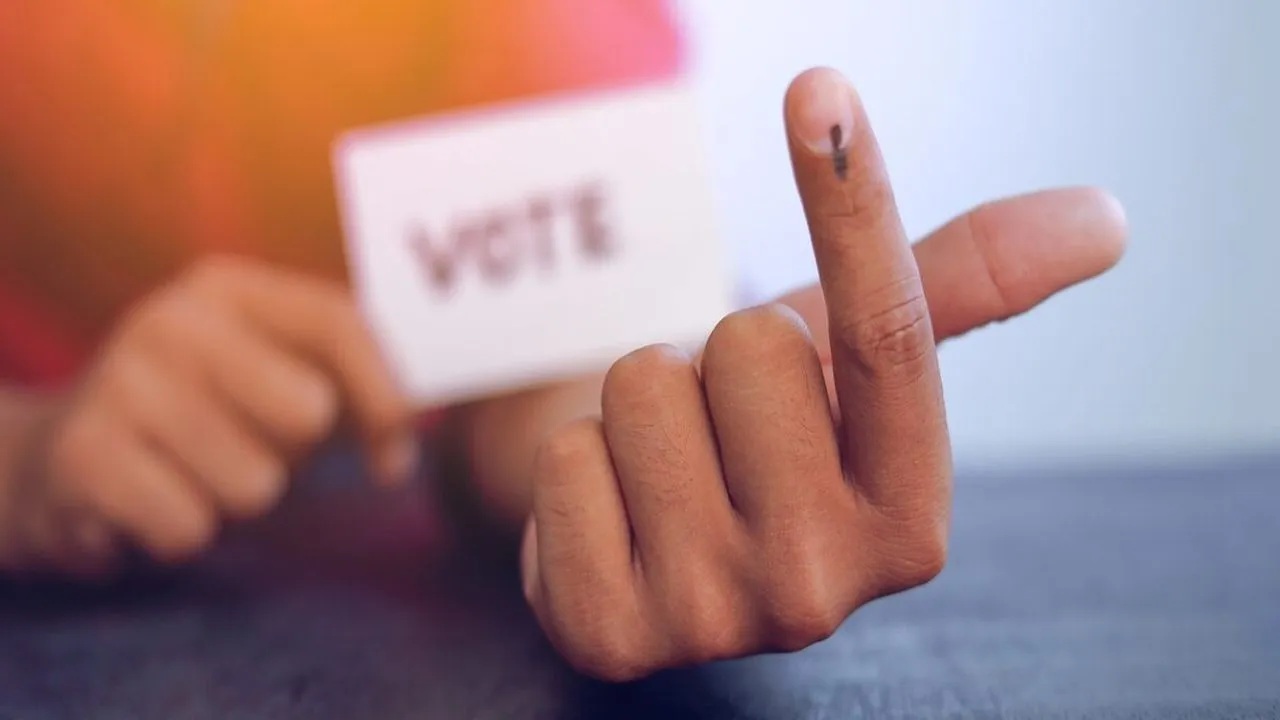
The figures once again underline the high level of interest rural Telangana displays in gram panchayat polls.
Synopsis: The second phase of gram panchayat elections in Telangana recorded a voter turnout of 85.86 percent on 14 December. Several districts, including Khammam, Yadadri Bhuvanagiri, Nagarkurnool and Medak, reported turnout in the high eighties and even above 91 percent in some pockets.
The second phase of gram panchayat elections in Telangana witnessed a strong show of voter enthusiasm on 14 December, with polling registering an overall turnout of about 85.86 percent across the villages that went to the polls.
Participation remained consistently high among both male and female voters, with turnout crossing the 85 percent mark by the close of polling, continuing the state’s long-standing tradition of active engagement in local body elections.
According to the close-of-poll figures for Phase II, a total of 54,40,339 voters were registered in the gram panchayats where polling was held.
Of them, 46,70,972 exercised their franchise, translating into an overall turnout of 85.86 percent. Male turnout stood at 85.71 percent, while female participation was marginally higher at 86.00 percent.
Voters categorised as “others” recorded a turnout of about 41.96 percent.
District-wise data showed several regions recording exceptionally high participation, with turnout ranging between 88 and 90 percent in many places.
Districts such as Khammam, Yadadri Bhuvanagiri, Nagarkurnool and Medak, along with a number of erstwhile combined districts, reported polling in the high eighties and, in some pockets, even above 91 percent.
The figures once again underline the high level of interest rural Telangana displays in gram panchayat polls, which, while officially non-party in nature, are widely acknowledged to be shaped by clear political alignments on the ground.
The second phase of polling comes close on the heels of a decisive first phase, in which Congress-backed candidates emerged with a clear edge.
In Phase I, the ruling party established dominance over its rivals by winning an estimated 1,900 to 2,400 sarpanch posts out of a little over 3,800 seats that went to the polls, accounting for roughly 55 to 57 percent of the gram panchayats.
Bharat Rashtra Samiti (BRS)-backed candidates finished a distant second in the first phase, securing around 950 to 1,150 sarpanch posts, or about 27 to 30 percent of the total.
The Bharatiya Janata Party (BJP), despite its efforts to expand its rural footprint, was restricted to fewer than 200 sarpanch seats, translating to about 4 to 5 percent.
Left parties, including the Communist Party of India and the Communist Party of India (Marxist), together won only a few dozen posts, while independents and other candidates accounted for an estimated 400 to 450 or more gram panchayats.
Adding to the Congress advantage in Phase I was the fact that nearly 9 to 10 percent of sarpanch posts were filled unanimously, with a significant share of these believed to be aligned with the ruling party.
This further bolstered the Congress’s effective presence in rural local bodies, even beyond the seats that were formally contested.
Political observers view the first phase outcome as a clear consolidation of the Congress’s position in the countryside following its Assembly victory.
At the same time, the results pointed to a reduced but still resilient BRS base in rural areas, while highlighting the BJP’s continued struggle to convert its Assembly-level gains into sustained influence at the village level.
Against this backdrop, the second phase of polling assumes added political significance. For the Congress, the objective is to translate its Assembly mandate into deeper and more durable institutional control at the gram panchayat level.
For the BRS, the focus remains on holding on to pockets of influence and projecting itself as the principal opposition in rural Telangana.
The BJP, meanwhile, is keen to use the remaining phases of polling to broaden its currently limited village-level network before the electoral exercise concludes.
(Edited by Dese Gowda)


