

Published May 22, 2026 | 4:56 PM ⚊ Updated May 22, 2026 | 4:56 PM

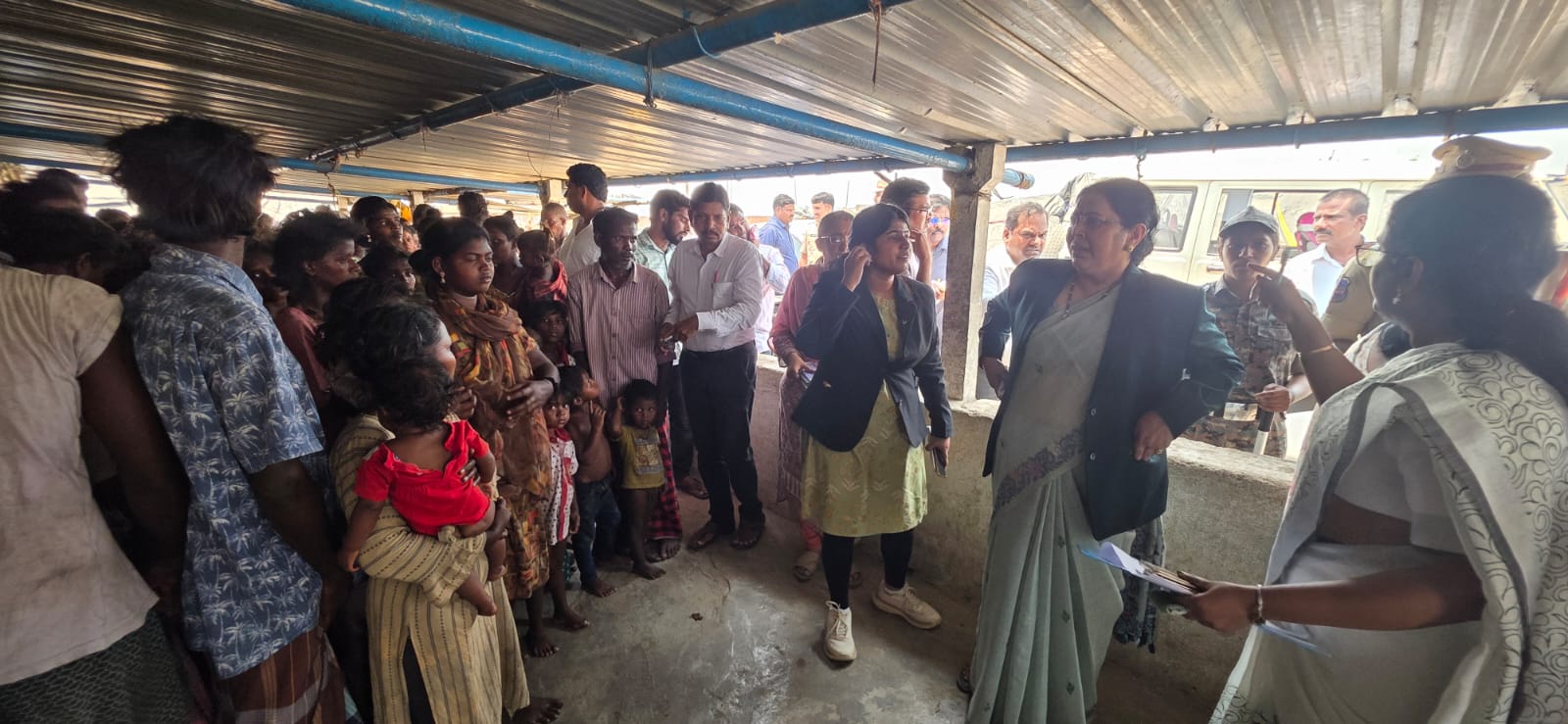
Many of the rescued workers said they had little hope of escape until one worker managed to flee and alert the authorities.

Synopsis: Fifty years after bonded labour was abolished in India, the system still exists in the country, and in public view. In a crackdown on brick kilns spread across the Godavari backwater region in Telangana’s Nizamabad, authorities rescued more than 400 labourers, including 100 children, who had been living a life devoid of justice or dignity.
For years, hundreds of migrant labourers, including women carrying infants and children too young to attend school, lived in cramped sheds beside the blazing furnaces of brick kilns spread across the Godavari backwater region in Telangana’s Nizamabad district.
Cut off from the outside world, surviving on grocery vouchers instead of wages, and allegedly trapped by mounting debt and intimidation, many of them say they had little hope of escape until one worker managed to flee and alert the authorities.
What followed was one of the largest bonded labour rescue operations reported in the State in recent years.
More than 400 labourers, including over 100 children, were rescued from a cluster of brick kiln units in Degaon, Magdi and Siddapur villages of Aloor, Armoor and Nandipet mandals on 19 May in a coordinated operation led by the Telangana State Legal Services Authority (TSLSA) and the District Legal Services Authority (DLSA), under the supervision of Principal District Judge Bharath Laxmi.
Also Read: Missed Pongals, frayed memories — a tale of TN’s bonded labour
The operation was launched after a labourer escaped from one of the kiln units and approached officials alleging illegal confinement, exploitation, and abuse of migrant worker families brought from Tamil Nadu, Andhra Pradesh, Telangana and Odisha.
When officials and police teams entered the kiln premises, they found scores of labourers living in makeshift shelters lacking basic sanitation and drinking water facilities. Several women and children appeared visibly malnourished. Children were seen moving around heaps of clay and ash while adults continued making bricks under extreme heat conditions.
Preliminary testimonies recorded during the inquiry pointed to conditions commonly associated with bonded labour, restriction of movement, denial of minimum wages, debt-linked coercion and inability to freely leave employment.
Many workers alleged that they were initially brought to the kilns after accepting small advances for food, travel and survival expenses. Over time, the advances allegedly turned into unending debt, effectively binding entire families to kiln owners and middlemen.
Also Read: Master chef who broke free from bonded labour
One labourer from Sivakasi in Tamil Nadu told officials that he had worked at the kiln for nearly four years without receiving any direct wages. According to his statement, his family survived largely on grocery vouchers worth around ₹200 issued once a week.
Workers also alleged physical assaults, intimidation, sexual violence and threats if they attempted to leave. During the inquiry, allegations regarding deaths linked to the kiln facilities also reportedly surfaced, adding to the gravity of the investigation. Three persons were taken into custody following the rescue operation.
The rescue has drawn attention not only to labour exploitation but also to the unregulated expansion of the brick kiln industry across the Godavari river basin in Nizamabad district.
Also Read: A ‘trapped life’ in a land of opportunities
Officials estimate that more than 225 brick kilns are operating in the district, many of them concentrated in riverine and backwater regions. Significantly, not a single kiln has reportedly been registered with the Mining Department despite mandatory registration requirements.
Authorities also found alleged illegal commercial use of agricultural electricity connections and large-scale unauthorised excavation of soil from the Godavari basin without payment of mandatory seigniorage charges.
In villages such as Siddapur, Magdi and CH Kondur, huge mounds of excavated river soil now dominate the landscape, reflecting the scale of the brick-making business, which officials estimate runs into several crores of rupees every month.
Also Read: Duck farmers kill 9-year-old boy forced into bonded labour
The revelations have triggered serious questions over regulatory oversight. Labour, Mining, Revenue and Electricity department officials are facing criticism over the alleged failure to identify violations despite the visible presence of hundreds of migrant labourers, including children, at kiln sites for years.
District Mining Officials said notices had been issued to 10 kiln owners and inspections of remaining units were continuing.
“We will not spare brick kilns operating without permissions. We will ensure that bonded labour practices are stopped,” an official said.
(Edited by Majnu Babu).



