

Published Jan 28, 2026 | 12:37 PM ⚊ Updated Jan 28, 2026 | 12:37 PM

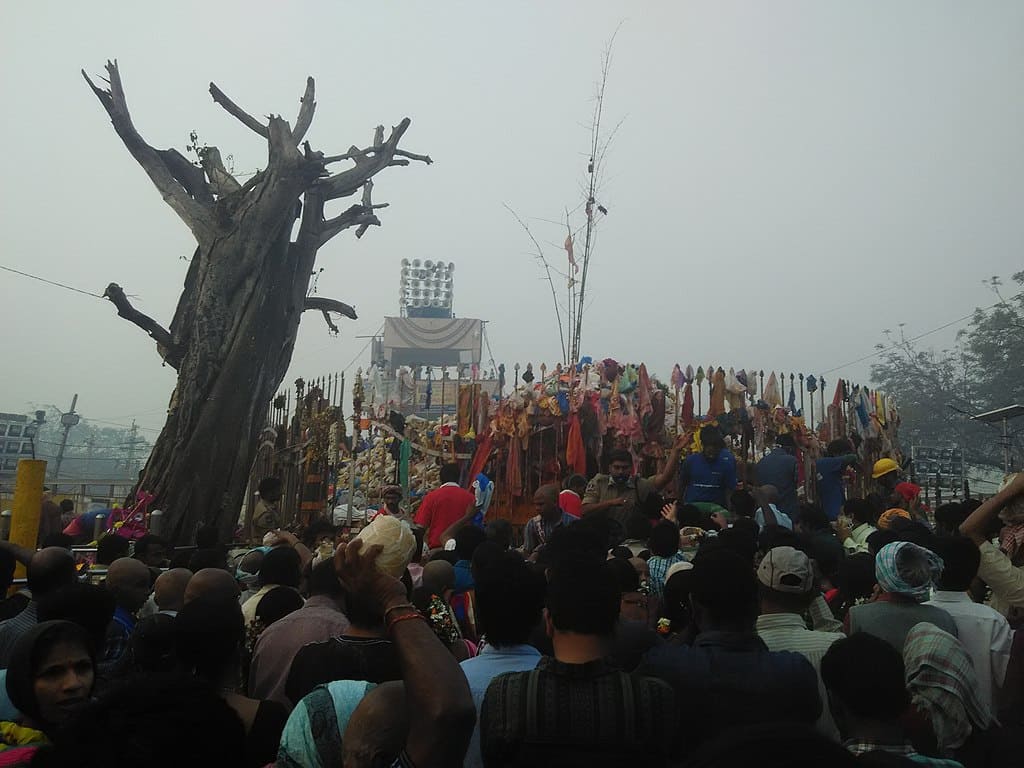
The Jatara will have tribals paying obeisance to goddesses Sammakka and her daughter.

Synopsis: The four-day mega event, concluding on 31 January, began with the rituals marking the symbolic arrival of tribal deities to their sacred platforms, known locally as gaddelu. As tradition dictates, the opening ceremonies set the spiritual tone for the days ahead.
The much-awaited Sammakka–Saralamma Jatara, widely known as the Medaram Jatara, commenced in the remote forest village of Medaram in Telangana’s Mulugu district on Wednesday, January 28.
Recognised as Asia’s largest tribal congregation, the biennial festival is expected to draw an estimated 1.5 crore devotees from Telangana and across the country.
The four-day mega event, concluding on 31 January, began with the rituals marking the symbolic arrival of tribal deities to their sacred platforms, known locally as gaddelu. As tradition dictates, the opening ceremonies set the spiritual tone for the days ahead.
Since the early hours of Wednesday, devotees thronged Medaram to witness the arrival of Saralamma, fondly called Sarakka, Govindarajulu and Pagididdaraju near the sacred Jampanna Vagu stream in the evening.
Saralamma was ceremoniously brought from Kannepally hill to her designated platform, amid rhythmic drumbeats, and fervent chants.
Devotees have been pouring in from Andhra Pradesh, Chhattisgarh, Maharashtra, Odisha, and other states. Many have pitched makeshift tents and huts across nearly 25 km of forest terrain.
They carry traditional offerings such as jaggery — offered as “gold” equal to one’s body weight — along with sarees and vodibiyyam, a customary rice offering.
The opening day set the stage for intense tribal celebrations steeped in animist traditions. From dawn, the air reverberated with drumbeats, folk songs, and invocations as tribal priests and elders prepared the sacred platforms with ritual precision.
Devotees took holy dips in the Jampanna Vagu — a tributary of the Godavari — named after the legendary warrior Jampanna, who is believed to have died fighting injustice. The ritual bath, pilgrims believe, washes away sins and ushers in blessings.
Thousands gathered around the altars and offered prayers. Traditional dances were performed. Gifts were presented to honour the goddesses.
The atmosphere crackled with devotion as families chanted hymns, lit lamps, and shared stories passed down generations. Authorities urged devotees to maintain peace, remain vigilant against miscreants, and ensure a safe return after seeking blessings.
The Telangana government has left no stone unturned to ensure the smooth conduct of the massive congregation. The Telangana State Road Transport Corporation (TGSRTC) has pressed over 4,000 buses into service to ferry pilgrims from various districts and states.
Security has been stepped up with the deployment of over 14,000 police personnel. Teams from the National Disaster Response Force (NDRF) and State Disaster Response Force (SDRF) have been stationed at strategic points, including near the altars and along the Jampanna Vagu, to handle any emergencies.
Ahead of the festival, the sacred site underwent a major redevelopment at a cost of ₹251 crore. Infrastructure upgrades include better approach roads, improved sanitation facilities, enhanced crowd-management systems, and basic amenities.
Medical camps and drinking water points have been set up to cater to the surging crowds. The festival grounds also featured stalls selling traditional items, with popular ippa flower laddus recording sales worth several lakhs in recent days.
The Sammakka–Saralamma Jatara stands as a powerful symbol of tribal identity, resistance, and kinship worship among the Koya Adivasi community. Declared a state festival in 1996, it is deeply rooted in animist belief systems and remains free from Vedic or Brahmanical influence.
According to legend, an infant Sammakka was found amidst tigers in the forest in the 13th century by some tribal leaders. Later made the chieftain of the area, and she married Pagididdaraju.
She bore three children, Saralamma, Nagulamma, and Jampanna. During a severe famine, the family resisted what they considered unjust taxation imposed by the Kakatiya rulers. This defiance led to a fierce battle in which several family members were killed.
Sammakka is believed to have disappeared into the forest, leaving behind her bangles and kumkum as sacred relics.
Every two years, the deities are symbolically brought from Chilakalagutta hill to the gaddelu for worship. Devotees offer jaggery and seek blessings, commemorating the goddesses’ courage, resistance to oppression, and protection of tribal rights.
The jatara preserves Adivasi cosmology, collective memory, and cultural ethos, drawing both tribal and non-tribal devotees in a rare celebration of indigenous heritage.
The Jatara continues on Thursday, 29 January, with the arrival of Sammakka Thalli, followed by special prayer offerings on 30 January. The next day, 31 January, traditional Vanapravesham — the symbolic return of the deities to the forest — will take place.
(Edited by Majnu Babu).



