

Published May 26, 2026 | 6:42 PM ⚊ Updated May 26, 2026 | 6:42 PM

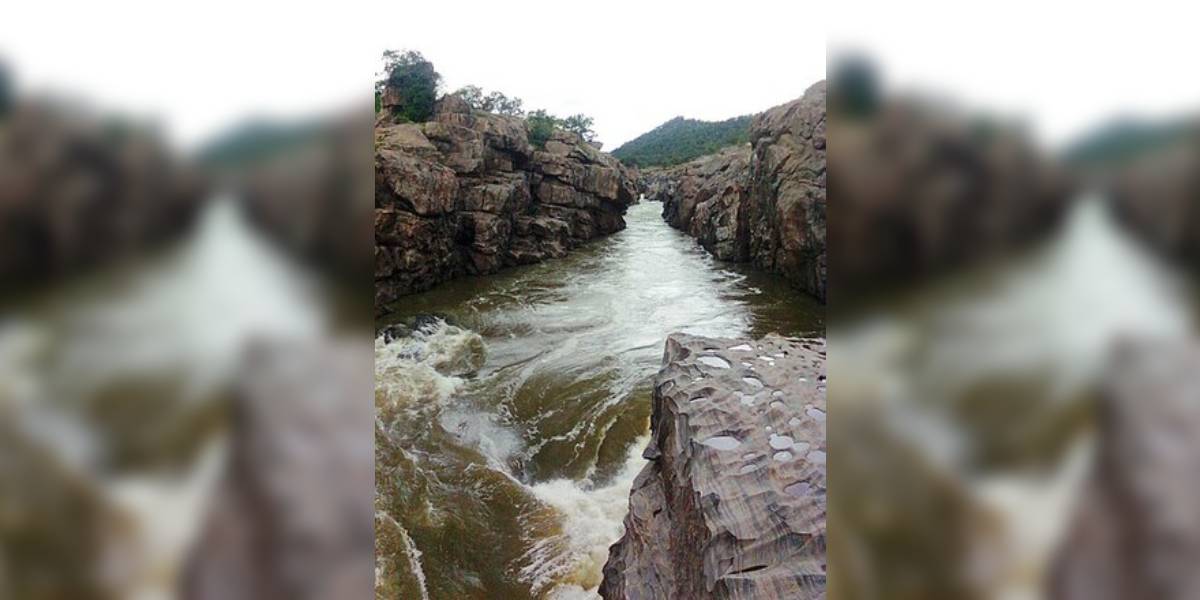
The project is expected to provide 4 TMC of drinking water to Bengaluru city and generate 400 MW of hydropower.

Synopsis: The Chief Minister said the upper riparian state could not take actions affecting the scheduled release of water to the lower riparian state. He claimed that Karnataka’s proposal to construct the new reservoir would amount to a “clear violation” of the Supreme Court judgment.
Tamil Nadu Chief Minister C Joseph Vijay on Tuesday, 26 May, urged Prime Minister Narendra Modi to reject Karnataka’s proposed Mekedatu reservoir project across the River Cauvery.
He alleged that it violates the final award of the Cauvery Water Disputes Tribunal (CWDT) and the Supreme Court’s 2018 judgment on the interstate river water dispute.
In a letter to the Prime Minister, Vijay said Karnataka’s reported move to conduct the “Bhoomi Puja” for the Mekedatu project had caused concern among lakhs of farmers in Tamil Nadu who depend on Cauvery water for their livelihood.
He argued that the proposed reservoir, with a storage capacity of 67.16 TMC near the Karnataka-Tamil Nadu border, was not among the projects permitted under the CWDT final award or the Supreme Court’s 16 February 2018 judgment.
Also Read: Karnataka DCM asserts Mekedatu project will be implemented
The Chief Minister stated that the Cauvery basin had already been classified as a deficit basin and that the available water at 50% dependability had already been allocated among the basin states. He said any attempt to create a new large storage structure across the Cauvery or its tributaries would amount to interference with the Supreme Court verdict.
Vijay further alleged that Karnataka was attempting to prevent the natural flow in the uncontrolled catchment areas, which form one of the components of water deliveries due to Tamil Nadu under the final award and the Supreme Court-modified allocation.
Referring to the apex court judgment, the Chief Minister said the upper riparian state could not take actions affecting the scheduled release of water to the lower riparian state. He claimed that Karnataka’s proposal to construct the new reservoir would amount to a “clear violation” of the judgment.
The Tamil Nadu Chief Minister also pointed out that the Expert Appraisal Committee of the Ministry of Environment, Forest and Climate Change (MoEF&CC), during its 19 July 2019 meeting, had returned Karnataka’s proposal for Terms of Reference (ToR) for conducting an Environmental Impact Assessment (EIA), citing unresolved interstate issues. He added that the Ministry had not issued ToR for the EIA study so far.
Questioning the role of the Ministry of Jal Shakti and the Central Water Commission (CWC), Vijay said it was surprising that both institutions were entertaining Karnataka’s Detailed Project Report (DPR) proposal despite Tamil Nadu’s objections.
He urged the Prime Minister to direct the Ministry of Jal Shakti and the CWC to reject the Mekedatu DPR, stating that it contravened the CWDT final award of February 5, 2007 and the Supreme Court judgment of February 16, 2018. He also requested the Union government to advise Karnataka not to undertake any new project on the Cauvery without obtaining concurrence from the co-basin states.
Vijay wrote the letter after Karnataka Deputy Chief Minister DK Shivakumar announced that the state was preparing to submit the DPR to the Centre. He added that a foundation-stone laying ceremony would be held after securing the necessary approvals.
Earlier on 21 March 2024, Shivakumar, who also holds the irrigation portfolio, had asserted that he would implement the Mekedatu project, a ₹14,000 crore multi-purpose balancing reservoir near Kanakapura in the Ramanagara district. The project is expected to provide 4 TMC of drinking water to Bengaluru city and generate 400 MW of hydropower.



