

Published Oct 30, 2026 | 12:24 PM ⚊ Updated Oct 30, 2026 | 1:04 PM

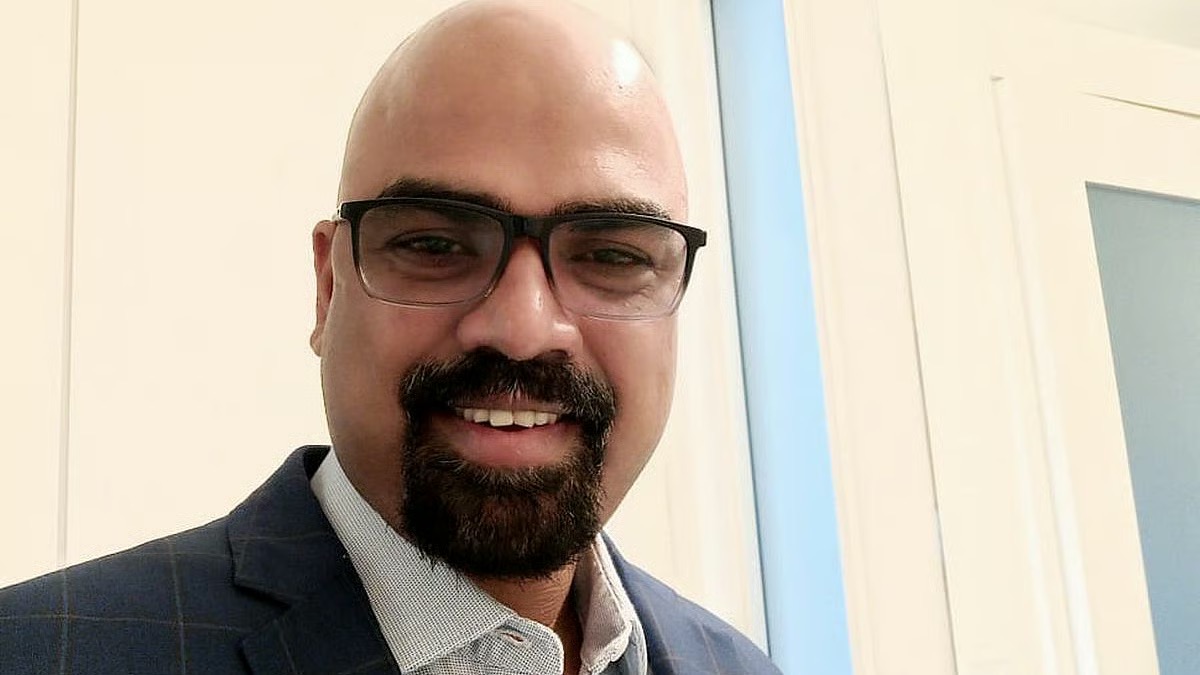
Economist A Kalaiyarasan, associate professor at the Madras Institute of Development Studies (MIDS).

The arrest of economist Prof. Kalaiyarasan has raised three key concerns relating to the use of Facial Recognition Technology (FRT) by the police, the responsibility of social media platforms in preventing fake accounts, and the implementation of Supreme Court guidelines on arrests and detention, said Dr D. Ravikumar, Member of Parliament.
In a statement, Ravikumar said the arrest appeared to have stemmed from an Instagram account that used Kalaiyarasan’s photograph to post defamatory content. He suggested that the police might have used Facial Recognition Technology on the photograph posted on the account to trace his address.
Raising three questions, he asked whether the police’s use of FRT violated the right to privacy, whether social media platforms should allow users to use other people’s photographs as their identities, and whether the Tamil Nadu Police followed the guidelines issued by the Supreme Court in the D.K. Basu judgment.
Ravikumar pointed out that Facial Recognition Technology was introduced into the police force in 2021 by the then DMK government. He said he had raised concerns at the time that the technology could violate individual privacy, a concern also expressed by human rights activists. However, he alleged that the government ignored these warnings.
He further noted that a data breach occurred in the system in 2024, exposing the information of tens of thousands of individuals. Following the incident, the Internet Freedom Foundation described FRT as an extremely invasive and dangerous surveillance tool that posed a direct threat to individual privacy, particularly when used by law enforcement agencies, and called for a ban on the technology.
The organisation also said that the massive data leak from the Tamil Nadu Facial Recognition System (TN FRS) portal demonstrated that the extensive facial data being collected was not adequately secured. It argued that the privacy and human rights violations, along with surveillance concerns associated with the technology’s use in criminal justice, outweighed its potential benefits, and called on the police to discontinue its use.
Ravikumar also referred to Amnesty International’s ‘Ban The Scan’ campaign, which calls for a prohibition on such surveillance technologies.
Explaining the broader implications of facial recognition technology, he invoked French philosopher Michel Foucault’s concept of panopticism. He said FRT creates a system of continuous surveillance in which individuals regulate their own behaviour because they cannot know when they are being watched.
He argued that when law enforcement agencies deploy FRT, public spaces become sites of constant observation, allowing individuals to be identified, tracked and monitored without their knowledge or consent. In the absence of transparency, independent oversight and procedural safeguards, the technology enables the mass collection and processing of sensitive facial data.
He further maintained that the danger of FRT was not limited to errors or misidentification. Even if the technology were perfectly accurate, it would still create a surveillance system that could restrict freedom, encourage self-censorship and threaten privacy, dignity and freedom of expression.
Ravikumar said that although Prof. Kalaiyarasan had met Tamil Nadu Chief Minister at the Secretariat and the State Law Minister had clarified that the arrest was due to mistaken identity, the issue should not be considered resolved.
He stressed the need to demand a complete ban on Facial Recognition Technology and hold social media intermediaries accountable for identifying and removing fake accounts.
On the role of social media platforms, Ravikumar said the freedom to use any photograph or name as an online identity contributed to the spread of hate campaigns.
He referred to the Union Government’s announcement that the name registered against a mobile SIM card would be displayed when making calls, with the regulation scheduled to come into effect on November 1. He suggested extending a similar requirement to social media accounts to prevent confusion and complications such as those recently witnessed in Tamil Nadu.
He also highlighted the Supreme Court’s judgment in D.K. Basu v. State of West Bengal [(1997) 1 SCC 416], which laid down specific guidelines for the police to follow during arrests and detention to prevent custodial violence.
Ravikumar called on the government to ensure the strict implementation of these guidelines and demand that the police comply with them.
(Edited by Sumavarsha, with inputs from Subash Chandra Bose)



