

Published Aug 01, 2026 | 7:00 AM ⚊ Updated Aug 01, 2026 | 7:00 AM

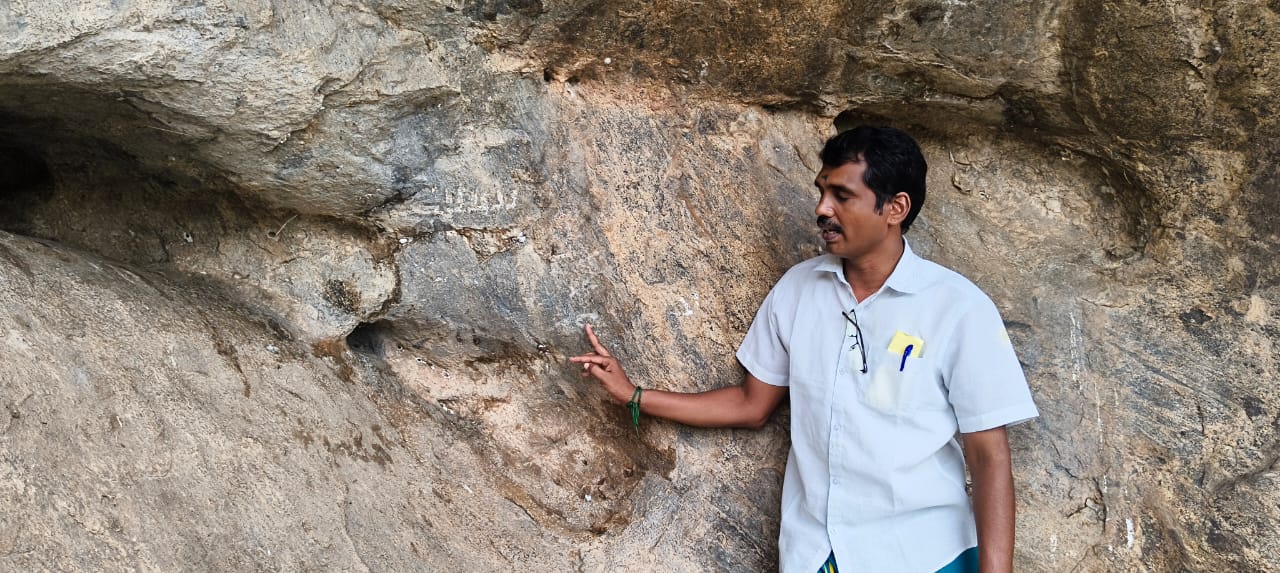
Dr T Muneeswaran led the team of researchers.

Synopsis: A recent archaeological survey near Peraiyur in Madurai, Tamil Nadu, has documented a prehistoric cave, 3,000-year-old white rock paintings and evidence of ancient Iron Age iron-smelting activity. Researchers say the discoveries offer fresh insights into early habitation and technological knowledge in the region.
A prehistoric cave, white rock paintings believed to be around 3,000 years old, and evidence of ancient Iron Age iron-smelting activity have been documented during a recent archaeological surface survey near Peraiyur in Madurai district, according to Professor Dr T Muneeswaran of the Government Women’s Arts College, Sivaganga, who led the study.
The discoveries were made on the southern slopes of Mottamalai at Melapparangiri village by a team comprising Dr T Muneeswaran and researchers Rajesh Kannan, Palani and Vigneshwaran.
Also Read: CM DK Shivakumar urges Tamil Nadu CM Vijay to defer Karnataka visit amid Cauvery tensions
Speaking about the findings, Dr T Muneeswaran said the naturally formed cave, locally known as Umai Ponthu, is located on the western side of Mottamalai. The cave measures approximately 20 feet in length and seven feet in width and has a distinct entrance.
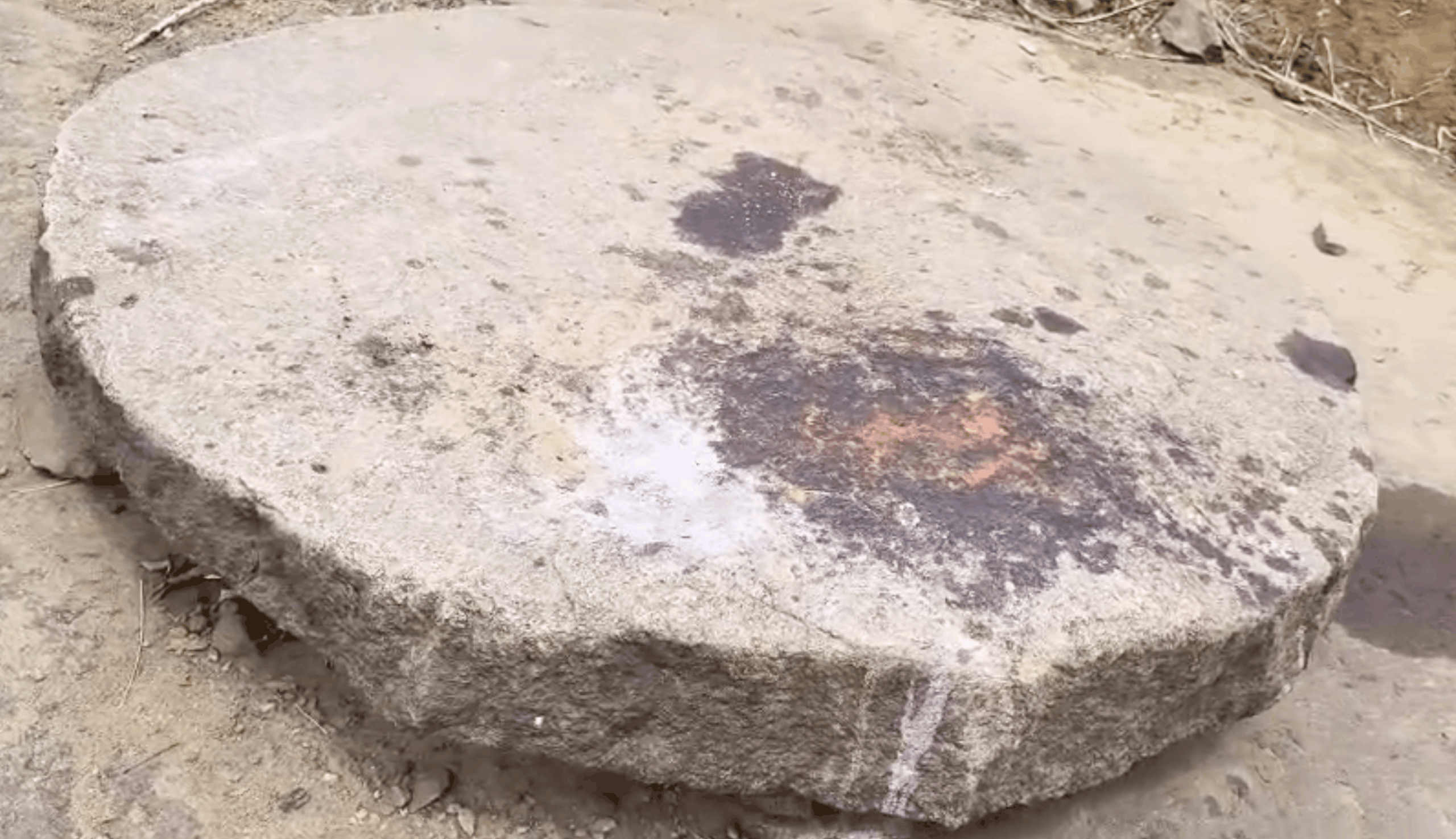
Stone feature, locally referred to as the “Maya Vattakkal”
Faded traces of white and red rock paintings survive on its interior walls, indicating that it may have served as a habitation site for prehistoric communities. Parts of the cave have been damaged over time due to water erosion.
According to Dr T Muneeswaran, the white rock art discovered on the southern side of the hill depicts hunting scenes, reptile-like figures, stick-shaped human figures with elongated necks appearing to dance, and several geometric symbols. He said the paintings are estimated to be around 3,000 years old.
He explained that while earlier prehistoric communities commonly used red ochre for rock paintings, the white pigment was prepared by mixing latex extracted from the Veppaalai tree with naturally available lime before applying it directly to rock surfaces using fingers.
The survey also identified extensive remains of ancient Iron Age iron-smelting activity around Mottamalai.
Researchers documented large quantities of iron slag along with fragments of clay tuyeres, tubular nozzles used to channel air into furnaces during smelting.
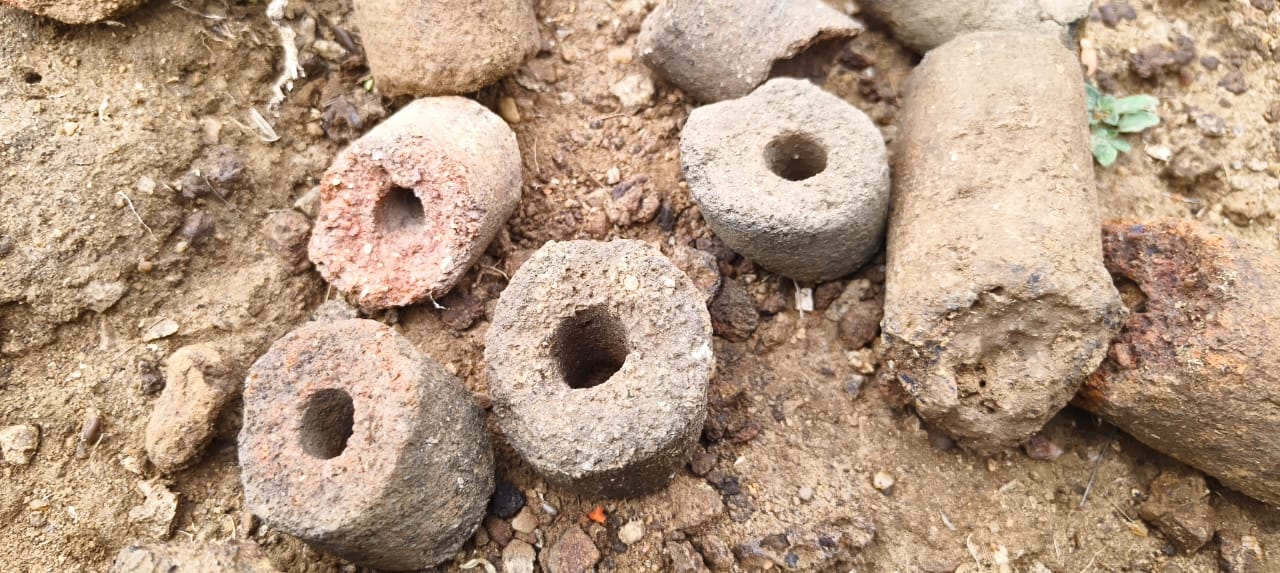
Extensive remains of ancient iron-smelting activity
The clay tubes contain central openings measuring about two centimetres in diameter.
According to Dr T Muneeswaran, the finds suggest that ancient inhabitants of the region possessed knowledge of extracting and smelting iron ore available in the locally occurring Semburan rock formations.
The presence of abundant slag and furnace-related materials indicates that iron production may have been carried out on a significant scale in the area.
The team also documented a circular stone feature, locally referred to as the “Maya Vattakkal”, measuring about 30 cm in width and around seven feet in length on the southern slope of the hill.
Dr T Muneeswaran noted that Mottamalai has yielded important archaeological evidence in earlier studies as well, including a 13th-century inscription consisting of 51 lines, prehistoric white rock paintings in another cave on the northern side of the hill, and remnants of megalithic burial urns, all of which have previously been documented.
He added that Peraiyur, historically known as Kadungon Mangalam during the Pandya period, was an important settlement situated along the trade route connecting the Pandya and Chera kingdoms before its name gradually evolved into Peraiyur.



