

Published Jul 10, 2026 | 5:43 PM ⚊ Updated Jul 10, 2026 | 8:15 PM

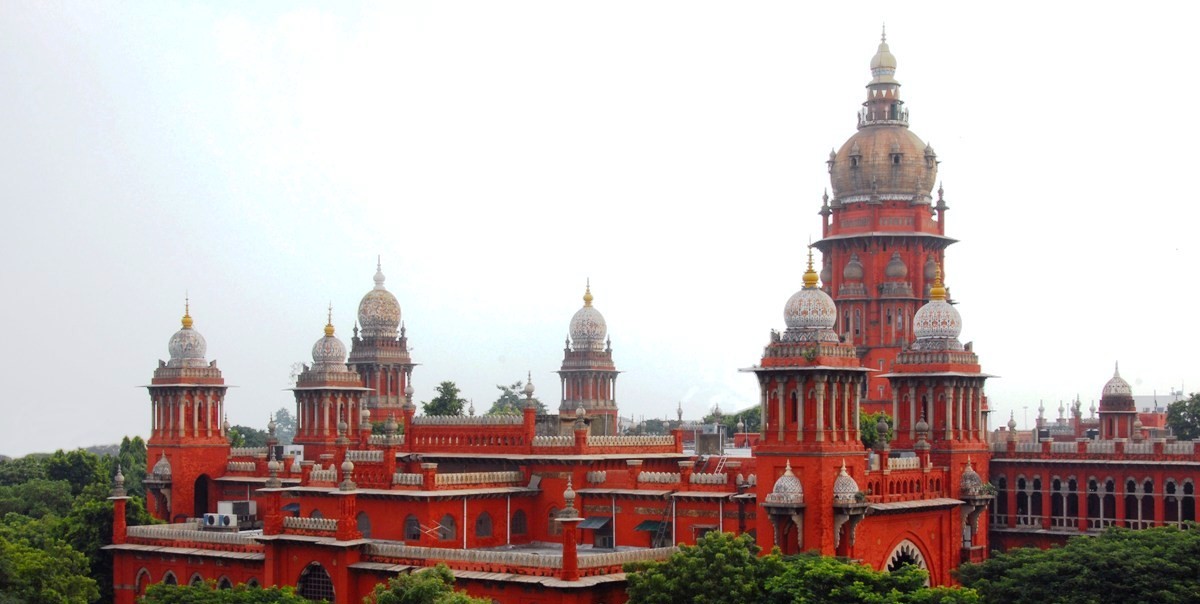
Madras High Court. (Wikimedia)

Synopsis: The Madras High Court has restrained the Election Commission from notifying by-elections to five vacant Tamil Nadu Assembly constituencies until 31 July while election petitions challenging the results remain pending. The High Court noted that conducting by-elections before the election petitions are decided could lead to unnecessary public expenditure and potentially create a constitutional anomaly.
The Madras High Court on Friday, 10 July, restrained the Election Commission of India (ECI) from notifying by-elections to the vacant Assembly constituencies of Tiruchirappalli East, Karur, Viralimalai, Perundurai and Ambasamudram, where election petitions challenging the results are pending.
The interim order was passed by a Division Bench comprising Chief Justice Sushrut Arvind Dharmadhikari and Justice G Arul Murugan while hearing a public interest litigation (PIL) filed by Venkatajalapathi, a resident of Palayamkottai in Tirunelveli district.
The petitioner argued that several Supreme Court judgments delivered between 1967 and 2018 have held that by-elections should not be conducted while election petitions remain pending, particularly in cases where the unsuccessful candidates have sought to be declared elected.
If a by-election is held and the court later declares the election petitioner to have been duly elected, it could result in two elected representatives claiming the same constituency, creating constitutional and legal complications.
Also Read: High Court respite for former TN minister EV Velu in vigilance case
The vacancies arose after Chief Minister C Joseph Vijay, who had contested and won from two constituencies in the Assembly elections, vacated the Tiruchirappalli East seat, while retaining Perambur.
MR Vijayabhaskar (Karur), C Vijayabhaskar (Viralimalai), Jayakumar (Perundurai) and Isakki Subbaiah (Ambasamudram), who had successfully contested as AIADMK candidates, resigned from the Assembly, leaving their respective constituencies vacant.
Appearing for the Election Commission, counsel submitted that the Commission had not yet received the records relating to the election petitions and was therefore not in a position to state its stand before the court.
The Tamil Nadu Advocate General contended that the resignations, including that of the Chief Minister, had been submitted before the election petitions were filed and that no election disputes were pending when the seats fell vacant.
Senior counsel appearing for Chief Minister Vijay argued that the petitioner, not being a voter in any of the five constituencies, lacked the locus standi to maintain the PIL. It was also submitted that the decision on whether and when to conduct by-elections rests exclusively with the Election Commission.
Also Read: Madras HC grants anticipatory bail to Senthil Balaji, brother Ashok Kumar in MLA poaching case
After hearing all sides, the Bench observed that the issue concerns the sanctity of the democratic process and that the question of the petitioner’s locus standi was not material in the circumstances.
The court noted that conducting by-elections before the election petitions are decided could lead to unnecessary public expenditure and potentially create a constitutional anomaly if two individuals are declared representatives of the same constituency.
The judges also observed that the contention that the seats had become vacant before the election petitions were filed required detailed examination.
The court issued notices to the Election Commission of India, the Union Government, the Tamil Nadu Legislative Assembly Secretary, Chief Minister Vijay, and the four former MLAs concerned, directing them to file their responses within three weeks.
The matter has been posted for further hearing on 31 July. Until then, the High Court has restrained the Election Commission from issuing by-election notifications for the five Assembly constituencies.
The High Court’s interim order has immediate political implications, as it effectively puts on hold any by-election process until the legal issues are examined further.
This means the prospects of four former MLAs — Vijayabhaskar, Vijayabhaskar, Jayakumar and Subbaiah — to seek a fresh mandate will now depend on the outcome of the pending legal proceedings and the court’s eventual interpretation of the Representation of the People Act in light of the Supreme Court’s earlier rulings.
The order also postponed any immediate electoral opportunity for political parties to test their strength in these constituencies. For the ruling Tamilaga Vettri Kazhagam (TVK), which was expected to contest the vacant seats, any possibility of increasing its tally in the 234-member Assembly through by-elections has been deferred for now.
However, the interim order has no immediate impact on the stability of the Vijay-led government, which has a comfortable majority in the Assembly.



