

Published Jul 24, 2026 | 6:28 PM ⚊ Updated Jul 24, 2026 | 6:29 PM

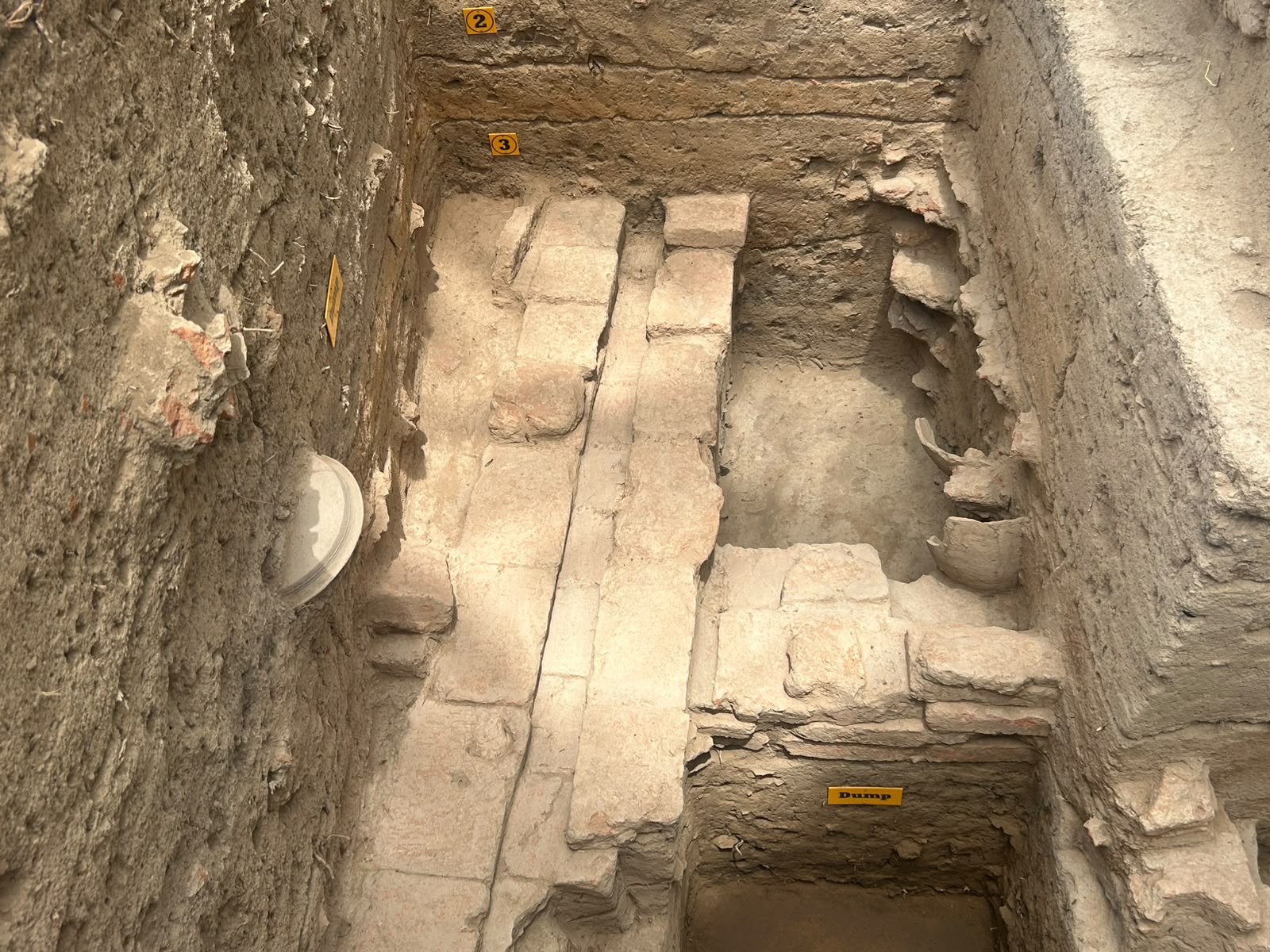
Excavations, which began on March 18, are currently being carried out over nearly 1.5 acres, with archaeologists working across nine trenches.

Synopsis: An iron furnace was discovered during the excavation at Keeladi, with archaeologists describing it as significant evidence for manufacturing and craft production in the Sangam period.
The ongoing 11th phase of excavations at Keeladi has yielded what archaeologists describe as one of the most significant discoveries of the season: a furnace believed to have been used for iron production, offering fresh evidence of the technological sophistication and industrial capabilities of the ancient Tamil society.
Excavations, which began on March 18, are currently being carried out over nearly 1.5 acres, with archaeologists working across nine trenches. The latest find adds to a growing body of evidence suggesting that Keeladi was not merely a residential settlement but also a major centre for manufacturing and craft production during the Sangam period.
According to Ramesh Masethung, Director of the Keeladi Excavation, the team also unearthed a large red ware storage pot and a smaller black-slipped pot, along with fragments of several other ceramic vessels. The larger vessel was recovered intact, making it a particularly valuable discovery for archaeological analysis.
Also Read: Tamil Nadu records higher education gains amid continued NEP standoff, Centre tells Lok Sabha
Based on comparative dating with similar artefacts, archaeologists found that the intact pot dates back to the 3rd century BCE. A comparable vessel had also been discovered during previous excavations, strengthening the chronological assessment of the site. Preliminary observations indicate that the pot may have been used for storage, although its exact function will be determined only after scientific analysis of any residue preserved inside.
The newly discovered furnace is considered especially important because such structures were typically used to process iron ore at high temperatures, enabling the production of finished iron objects. Archaeologists believe it could have been used to manufacture everyday implements such as knives, sickles, agricultural tools, and other iron artefacts that were essential to the economy and daily life during the period.
Previous excavations at Keeladi have also uncovered iron objects, industrial debris, and structural remains associated with manufacturing activities. The discovery of an actual furnace now provides direct archaeological evidence supporting the theory that iron-working took place at the site.
(Edited by Fayisa CA)



