


Published Mar 13, 2026 | 7:00 AM ⚊ Updated Mar 13, 2026 | 7:00 AM

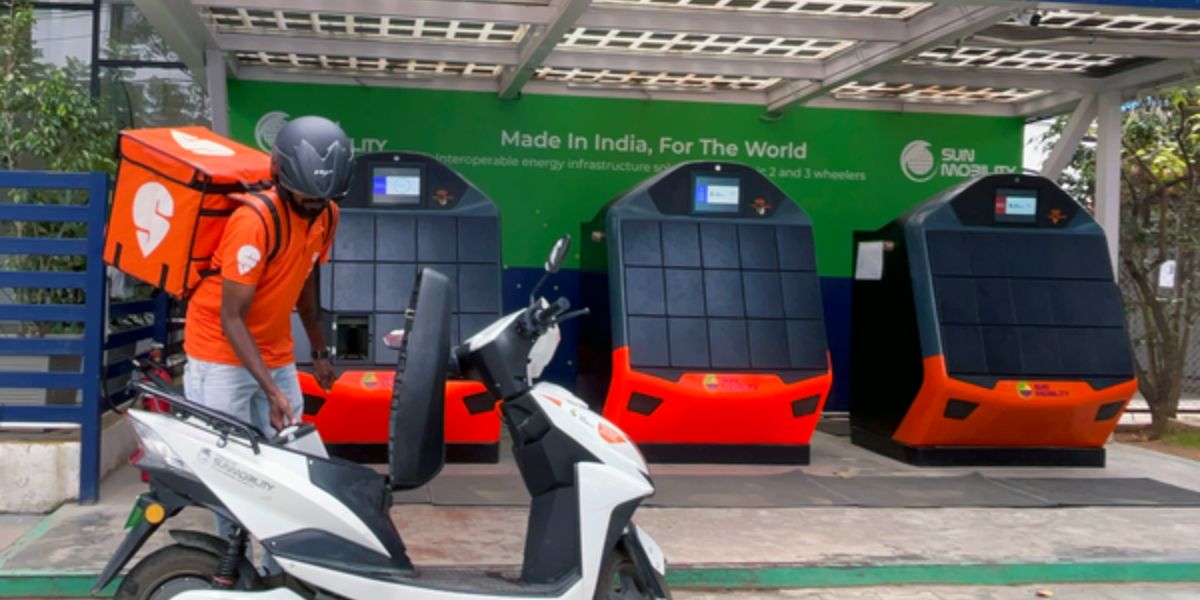
Workers have little opportunity to negotiate pay structures, commissions or work policies. (Wikimedia Commons)
Synopsis: The Tamil Nadu State Planning Commission has recommended that gig and delivery platforms issue monthly digital payslips and give at least 72 hours’ notice before changing commission rates or pay structures. In its report released on 10 March, based on a field study with 255 workers across three cities, the commission said many gig workers face long hours, unstable earnings, limited bargaining power and a lack of basic facilities such as toilets and drinking water.
The Tamil Nadu State Planning Commission has recommended that gig and delivery platforms issue monthly digital payslips to workers and give at least 72 hours’ advance notice before changing commission rates or pay structures.
The recommendation is part of the commission’s study on the working conditions of platform-based gig workers across the state, released on 10 March.
It is based on field research with 255 gig workers in Chennai, Madurai and Coimbatore, covering workers from platforms such as Uber, Ola, Rapido, Swiggy, Zomato, Blinkit, Zepto, Dunzo, Porter and Urban Company.
At present, most workers see their earnings only inside mobile applications, where details such as incentives, bonuses and deductions can change frequently, the report said.
It said a formal digital payslip could help workers keep proper income records and make it easier to access financial services such as loans or credit.
The report added that giving 72 hours’ notice before changes to commissions, pay structures or platform policies that affect earnings would prevent sudden income shocks and allow workers to plan their schedules and finances accordingly.
While the gig economy has grown rapidly in cities across Tamil Nadu, the study noted that many gig workers enter platform work through non-negotiable “take-it-or-leave-it” contracts, where the terms and conditions are set entirely by the platforms.
Workers have little opportunity to negotiate pay structures, commissions or work policies, even though these directly affect their livelihoods.
The study finds that gig work in Tamil Nadu is largely dominated by young workers, with most respondents aged between 18 and 38 years. This points to the physical demands of the job and the digital skills needed to operate app-based systems.
Only 7 percent of the workers surveyed were aged between 49 and 60, which shows that platform-based work may not be sustainable as a long-term livelihood for many.
Workers engaged in gig work also come from diverse occupational backgrounds, including agriculture, retail trade, construction, manufacturing and other service sectors.
Of the total gig workforce in Tamil Nadu:
For many workers, gig work is either an entry point into urban employment or a fallback in the absence of stable formal jobs.
Although gig work is often promoted as flexible, the report says many workers are compelled to work long hours to earn a stable income.
About 37 percent of workers surveyed said they work all seven days of the week, while another 33 percent work six days a week. In effect, nearly 70 percent of the workforce works on platform apps almost every day.
Daily work hours are also demanding. More than 45 percent reported working 10–12 hours a day, while some workers said they work as long as 13–18 hours during peak demand periods.
To address this, the report recommends capping working hours at 12 hours per day and 60 hours per week, saying such limits could help prevent excessive workloads and improve worker safety.
The study finds that earnings vary widely depending on the platform and type of work.
Among two-wheeler delivery workers, nearly 69 percent reported earning between ₹400 and ₹1,000 per day. These figures are gross income before deducting expenses such as fuel, vehicle maintenance, platform commissions and mobile data costs.
The report also notes that many gig workers have purchased their vehicles through loans from banks, private lenders or microfinance institutions. This creates additional financial pressure, especially when income fluctuates.
The study also highlights everyday challenges gig workers face while spending long hours outdoors.
About 78.8 percent of respondents reported lacking access to hygienic toilet facilities, while 74.5 percent said they do not have reliable access to clean drinking water during working hours.
Many workers spend 10 to 15 hours on the road. The report says these gaps are serious issues affecting both health and dignity.
The report also examines the role of algorithms in controlling gig workers’ work patterns.
Although workers are classified as independent contractors, platforms control several aspects of their work through algorithm-based systems that allocate tasks, determine incentives and evaluate performance through ratings.
It says this form of management creates a situation where workers depend on platforms but lack the protections associated with formal employment.
The report outlines several policy recommendations to improve gig workers’ conditions in Tamil Nadu. These include:
The report also recommends that platform companies bear some recruitment-related costs or provide subsidised starter kits, including delivery bags, uniforms and identification cards, to reduce the financial burden on workers entering the gig economy.
It also proposes expanding worker welfare infrastructure, including rest lounges, sanitation facilities and women-only lounges with enhanced safety measures for female gig workers.
Another recommendation is government–platform partnerships to provide affordable accommodation for gig workers in major urban centres such as Chennai, recognising that many workers migrate to cities for platform-based employment.
(Edited by Dese Gowda)


