

Published Mar 03, 2026 | 11:16 AM ⚊ Updated Mar 03, 2026 | 4:01 PM

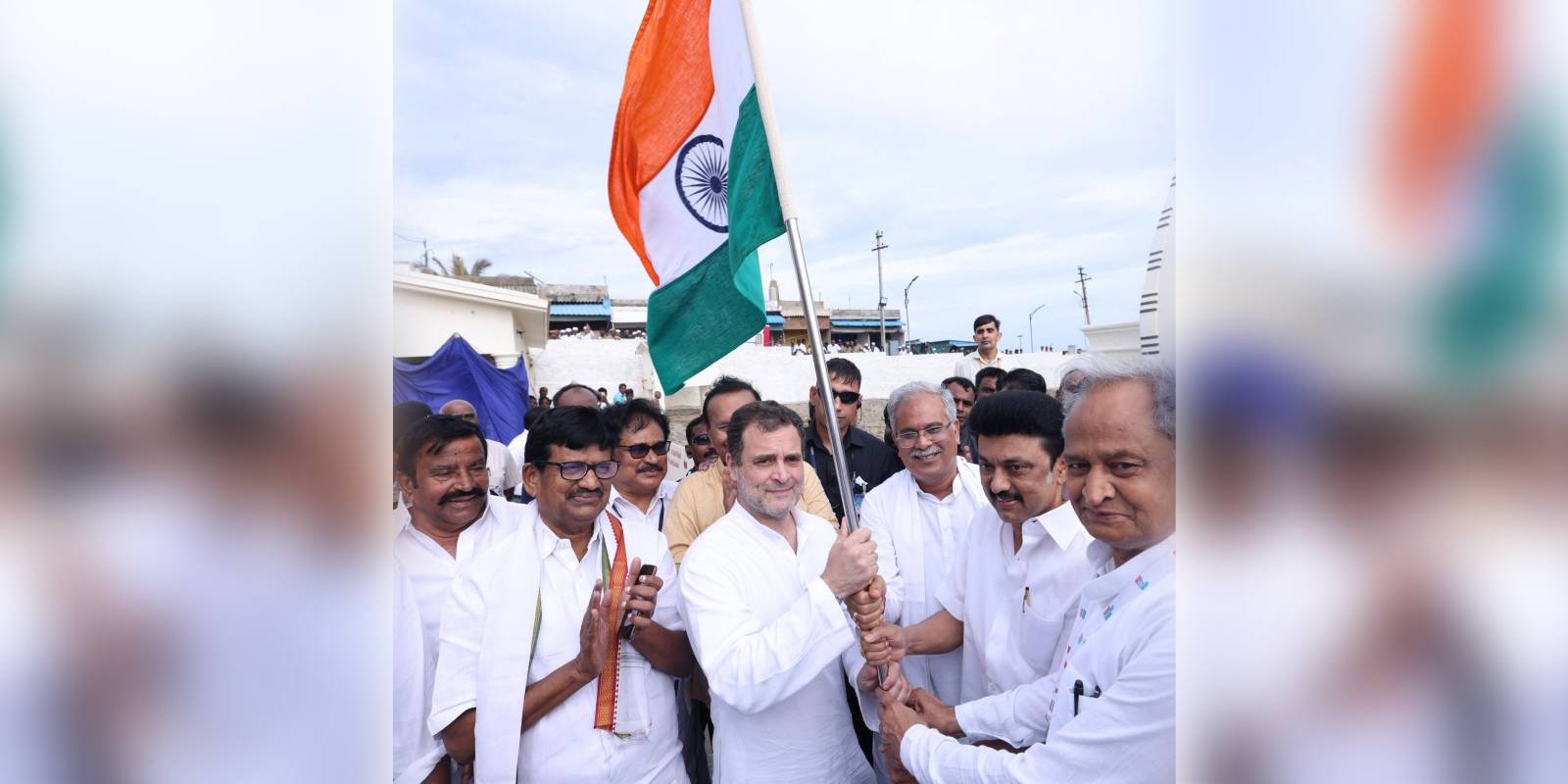
File photo of CM MK Stalin and Congress leader Rahul Gandhi. (Supplied)
Synopsis: With seat-sharing talks between the DMK and Congress hitting a roadblock, sources say former Union minister P Chidambaram has been sent as Sonia Gandhi’s envoy to resolve the impasse.
It’s a who blinks first race in Tamil Nadu as allies Dravida Munnetra Kazhagam (DMK) and Indian National Congress (INC) are simply unable to arrive at a consensus regarding seat-sharing ahead of the upcoming Assembly polls.
With Congress demanding over 40 seats and the DMK refusing to budge an inch above 25 seats — the same number for the 2021 elections — and a Rajya Sabha seat, the two allies are in a deadlock.
The tensions have made the situation so volatile that a section of Congress leaders has prevailed on Leader of Opposition in Lok Sabha Rahul Gandhi to move away from the MK Stalin-led DMK and look at other allies, including actor-turned-politician Vijay’s Tamilaga Vetri Kazhagam (TVK).
With DMK placing a deadline of 3 March for the Congress to “take it or leave it”, the grand old party has found itself pushed into a corner. DMK is insistent that it is not a viable option for it to part with any more seats for the Congress in an election where the party’s future and survival depend on winning a majority on its own.
Sources within the Congress and DMK told South First that the seat-sharing talks were a rude shock to the grand old party, with “goodwill” going out the window at the very beginning. For weeks now, leaders of Congress in Tamil Nadu have been making public statements against the DMK, its leaders, as well as the government, testing the Dravidian party’s patience.
The lack of action against Congress leaders who made public statements against DMK had already muddied the waters. “DMK asked Congress to show the work it had done in the last five years to claim more seats. The party hasn’t even appointed block presidents in time or organised booth workers. How will they run an election?” asked a source from DMK who is in the know.
Congress pointed to Rahul Gandhi’s popularity in Tamil Nadu, insisting that the party adds a sizeable vote share to the alliance. DMK is said to have counted the number of times Rahul Gandhi visited Tamil Nadu and the actual impact, or the lack thereof, his visits have had on strengthening organisational structure.
Armed with data, DMK questioned Congress’s winnability and candidate choices, pointing out that DMK’s arrangement with Congress is simple. “We help them at the Centre, and they help us win the state. We have given them every single MP seat in Tamil Nadu. We have backed Rahul Gandhi as PM candidate, but when it comes to helping make MK Stalin the CM of Tamil Nadu, they trouble us,” a DMK spokesperson told South First when the seat-sharing talks began.
Congress, on the other hand, believes that the DMK’s “bulldozing ways” have crushed the party’s growth. “As allies, we expect respect from DMK, and they give none. Without the Congress, DMK cannot win this election, and they are fully aware of the situation. Yet, there is neither acknowledgement of Congress’s contributions nor accommodation of fair seat demands,” a Congress MP told South First.
With tempers reaching boiling point, sources suggest that former UPA chairperson Sonia Gandhi has stepped in to resolve issues. Congress sources suggest that Rahul Gandhi’s inner circle had convinced him to break off the alliance with the DMK and align with other political parties.
Fully aware of the consequences of the breakdown of the DMK-Congress alliance, Sonia Gandhi is said to have conveyed to All India Congress Committee (AICC) President Mallikarjun Kharge that breaking the deadlock is the ideal solution for both parties.
Sources suggest that former Union minister P Chidambaram has been sent as Sonia Gandhi’s envoy to resolve the issues and arrive at an amicable solution.
Senior leaders of Congress and DMK are expected to meet in Chennai on Tuesday, 3 March, to draw the curtains on the row. Both parties are expected to move towards an agreeable number of seats from their current positions.
(Edited by Muhammed Fazil.)


