

Published Jul 20, 2026 | 11:21 PM ⚊ Updated Jul 20, 2026 | 11:21 PM

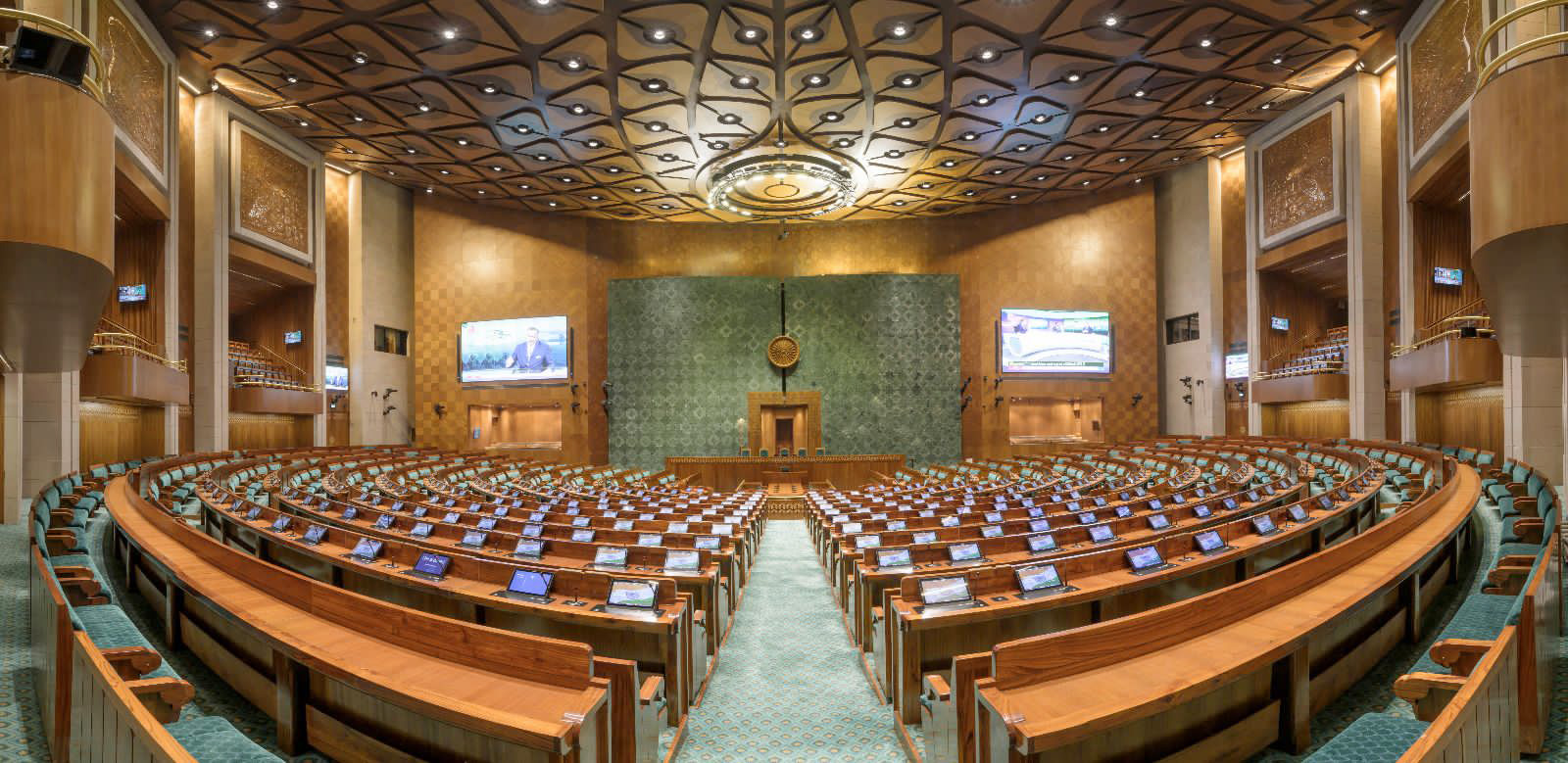
SPCSS-TN maintained that the proposed Bill violates the spirit of the Preamble and infringes the fundamental rights.

Synopsis: Educationalist and SPCSS-TN General Secretary PB Prince Gajendra Babu has urged MPs to oppose the Prevention of Insults to National Honour (Amendment) Bill, 2026, stating that it seeks to adopt the full version of “Vande Mataram” as the National Song of India. He argued its adoption would violate constitutional guarantees of religious freedom by imposing a religious interpretation of the nation through law.
Educationalist and State Platform for Common School System–Tamil Nadu (SPCSS-TN) General Secretary PB Prince Gajendra Babu has appealed to Members of Parliament to oppose the introduction of the Prevention of Insults to National Honour (Amendment) Bill, 2026, during the Monsoon Session of Parliament and safeguard the Constitution, its basic structure and the fundamental rights of citizens.
In a statement, the General Secretary of the State Platform for Common School System–Tamil Nadu (SPCSS-TN) said the proposed legislation seeks to adopt Vande Mataram in its entirety, as it appears in Bankim Chandra Chattopadhyay’s novel Anandamath, as the National Song of India.
SPCSS-TN argued that while the slogan “Vande Mataram” (I Salute the Motherland), played a significant role in India’s freedom movement, the complete song from the novel was never adopted or widely used as part of the national struggle.
The organisation emphasised that there is a fundamental distinction between the slogan “Vande Mataram” and the complete song contained in Anandamath. It stated that while the slogan became a rallying cry during the freedom struggle, the full song did not gain the same national acceptance.
SPCSS-TN maintained that the proposed Bill violates the spirit of the Preamble and infringes the fundamental rights guaranteed under Article 25. It noted that fundamental rights form part of the Constitution’s basic structure and that Article 13 prohibits the State from making laws that take away or abridge the rights guaranteed under Part III of the Constitution.
Also Read: Six-year row over cross-legged Ambedkar statue ends in clashes in Salem village
Babu said the historical context of Anandamath cannot be ignored.
He noted that the novel was written against the backdrop of communal tensions in 19th-century Bengal, in which one religious faith was pitted against another to evoke nationalist sentiment.
He said the British later exploited these divisions to partition Bengal along religious lines, but the people of Bengal united through the Swadeshi movement to defeat the divisive politics and force the withdrawal of the partition.
According to SPCSS-TN, the complete song portrays the nation as a deity associated with a particular religious faith. It argued that the song does not mention either “India” or “Bharat”, the names of the country recognised under Article 1 of the Constitution, which states: “India, that is Bharat, shall be a Union of States.”
Also Read: DMK MLA GV Markandayan arrested, remanded over alleged threat to Tamil Nadu CM Vijay
The organisation further contended that although individuals are free to view the motherland in accordance with their own religious beliefs, such an interpretation cannot be imposed on the entire nation through legislation.
SPCSS-TN argued that the proposed amendment is inconsistent with the principles enshrined in the Constitution. It pointed out that the Preamble guarantees liberty of thought, expression, belief, faith and worship; equality of status and opportunity; and fraternity assuring the dignity of the individual as well as the unity and integrity of the nation.
The statement also referred to Article 25, which guarantees freedom of conscience and the right to profess, practise and propagate religion, as well as the freedom not to hold any religious belief. It further cited Article 51A(h), which places a fundamental duty on every citizen to develop scientific temper, humanism and the spirit of inquiry and reform.



