

Published Jun 26, 2026 | 11:54 PM ⚊ Updated Jun 27, 2026 | 12:01 AM

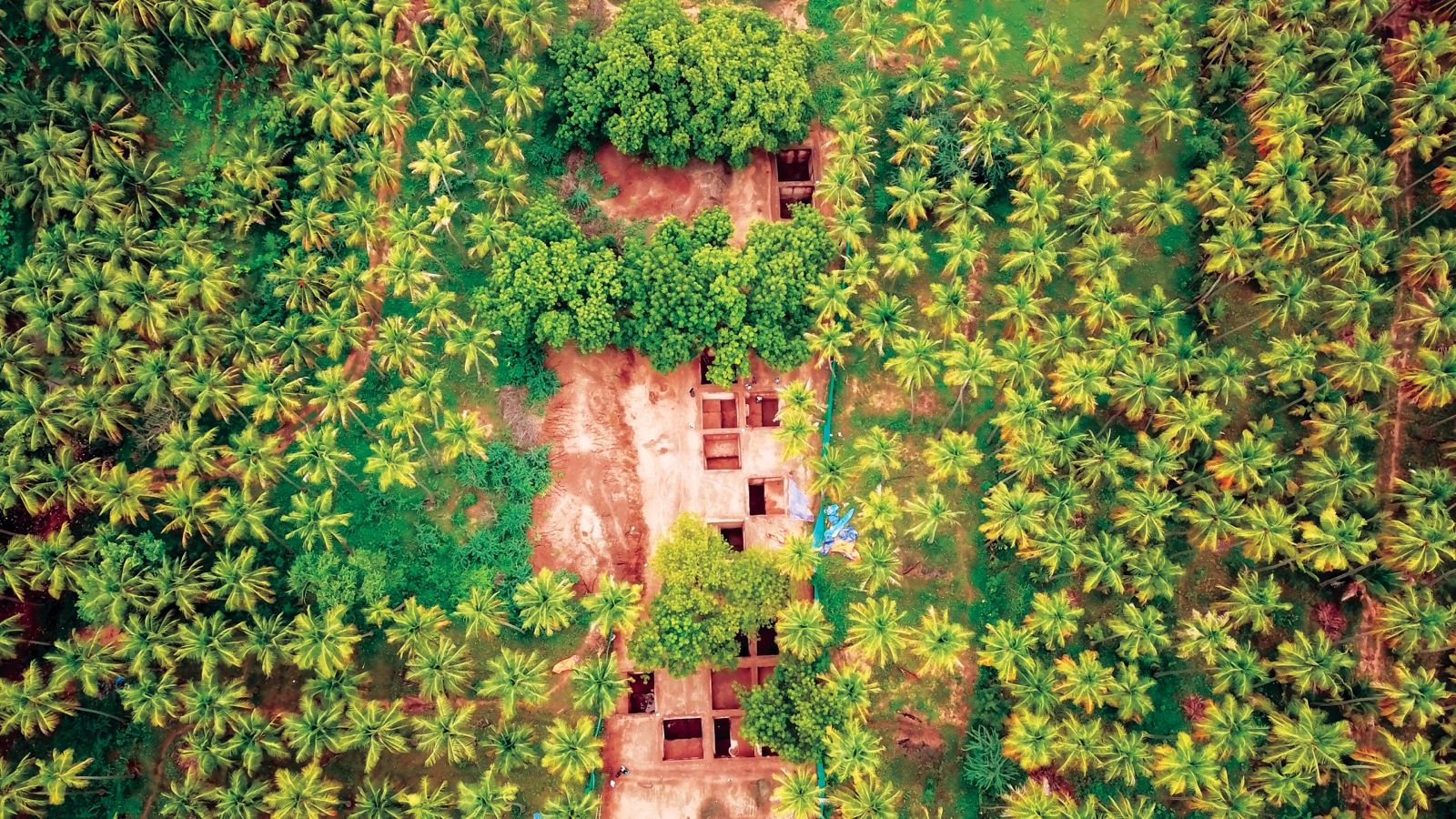
In May 2025, K Amarnath Ramakrishna refused to make substantive changes to his 982-page Keezhadi excavation report.

Synopsis: The ASI has informed Villupuram MP D Ravikumar that archaeologist K Amarnath Ramakrishna’s long-pending Keezhadi excavation report will undergo a fresh on-site review before publication after disagreements over key findings. The move has reignited controversy around delays in releasing findings considered crucial to understanding ancient Tamil civilisation and the history of Keezhadi.
An internal Archaeological Survey of India (ASI) committee will conduct a fresh on-site review of Archaeologist K Amarnath Ramakrishna’s long-pending Keezhadi excavation report, Viduthalai Chiruthaigal Katchi (VCK) MP Duraisami Ravikumar said on Friday, 26 June.
The Parliamentarian representing Villupuram in the Lok Sabha said the ASI informed him of the move in response to his year-ago letter to its Director General on 24 May 2025.
Ravikumar said he demanded the immediate publication of the Keezhadi (also spelt Keeladi) excavation report, remaining unpublished for years despite huge public interest and repeated requests by Tamil scholars, historians and politicians.
Saying that the ASI responded to his demand after more than a year, the lawmaker said the fresh review would be held before clearing the report for publication. The ASI explained the delay and outlined the next steps in the review process, he added.
Related: R Balakrishnan on ASI, Keezhadi, and future of Tamil Nadu’s past
According to ASI Director General Yadubir Singh Rawat’s communication on Wednesday, 24 June, two subject experts along with an internal committee comprising specialists within the organisation had already reviewed Ramakrishna’s excavation report, covering the 2014-15 and 2015-16 excavation seasons.
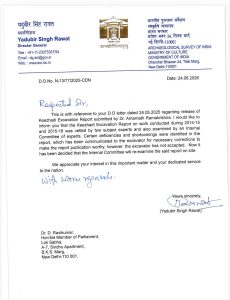
ASI’s response to D Ravikumar. The MP posted the letter on X.
During the scrutiny process, reviewers flagged what the ASI described as certain deficiencies and inadequacies in the report. Subsequently, Ramakrishna was asked to make corrections and revise portions of the document before it could be considered suitable for official publication.
Related: Amarnath Ramakrishna defends Keezhadi findings
However, ASI’s request for revision became a major controversy a year ago.
In May 2025, Ramakrishna, who led the initial Keezhadi excavations, refused to make substantive changes to his 982-page excavation report documenting the ancient Tamil civilisation unearthed at the site.
The ASI had asked him to revise certain conclusions, particularly findings related to the site’s chronology and claims that the settlement dated back as early as the 8th century BCE.
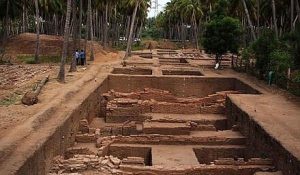
The ASI had questioned Ramakrishna’s chronological framework, saying the earliest Keezhadi period should be no earlier than pre-300 BCE.
In an interview with The Times of India, Ramakrishna categorically rejected the request, saying he could correct spelling mistakes or minor errors, but altering scientifically established findings would be “criminal” and “immoral,” as the conclusions were based on stratigraphy, material evidence and AMS (Accelerator Mass Spectrometry) Dating methods.
AMS Dating is a highly precise technique used to measure Carbon-14 (C-14) isotopes for determining the age of archaeological samples.
The episode triggered a political controversy in Tamil Nadu, with several political parties and Tamil groups accusing central authorities of attempting to dilute evidence relating to ancient Tamil civilisation.
Related: 2 years on, Keeladi excavation report is yet to be released
ASI’s response to Ravikumar cited Ramakrishna’s refusal to accept the corrections and suggestions that reviewing experts had recommended.
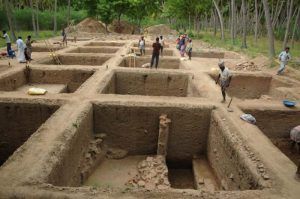
Ramakrishna’s work at Keezhadi revealed multiple layers of habitation, including pottery, tools, and other artefacts.
Following this disagreement, the ASI has now decided to send its internal committee to Keezhadi near Madurai for an on-site reassessment of the excavation findings before taking a final decision on publishing Ramakrishna’s report.
The organisation told Ravikumar that the committee will revisit the site, re-examine the findings and reassess the report.
The latest development is significant since the Keezhadi excavations have emerged as one of Tamil Nadu’s most politically and historically debated archaeological projects.
The delay in publishing Ramakrishna’s final excavation report has repeatedly triggered criticism from political parties, historians and Tamil organisations. Many of them accused central authorities of unnecessarily delaying findings considered crucial to understanding Tamil history and heritage.
With the ASI now confirming another round of on-site review, the controversy surrounding the long-awaited Keezhadi report appears far from over. Fresh questions have emerged over the long delay in publishing significant findings about ancient Tamil civilisation.
(Edited by Majnu Babu).



