

Published Oct 19, 2026 | 5:39 PM ⚊ Updated Oct 19, 2026 | 5:39 PM

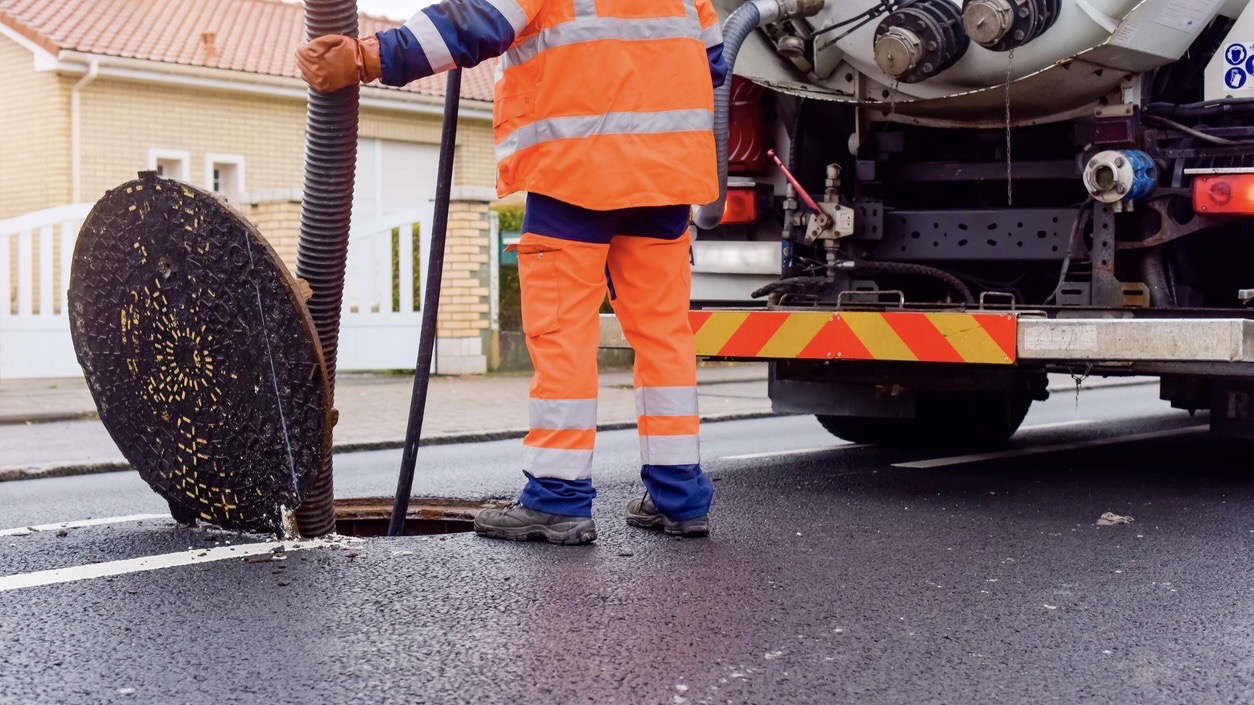
The procurement comes amid a spate of deaths among workers exposed to toxic gases while carrying out sanitation work. (Representative image)

Synopsis: The Chennai Metropolitan Water Supply and Sewerage Board has invited tenders to procure 13 machines to clean underground sewer lines without workers entering them manually, using funds from Chief Minister C Joseph Vijay’s Perambur Assembly constituency. The procurement comes amid six worker deaths in Tamil Nadu over 10 days in October. More than a decade after manual scavenging was banned, sanitation workers continue to die while carrying out hazardous work in Tamil Nadu, a State often held up as a model of progressive governance.
The Chennai Metropolitan Water Supply and Sewerage Board (CMWSSB) has invited tenders to procure 13 machines to clean underground sewer lines without requiring workers to enter them manually. Chief Minister C Joseph Vijay has directed that the machines be procured using funds from his Perambur Assembly constituency.
The procurement comprises two three-wheeled desilting machines, two four-wheeled desilting machines, two jet-rodding machines with a 2,000-litre capacity, four jet-rodding machines with a 9,000-litre capacity, and three super sucker machines with an 8,000-litre capacity.
The board has invited bids under the National Competitive Bidding system through a two-cover tender process. The last date for online bid submission is 27 October, at 3 pm. The technical bids will be opened on 28 October at 3.30 pm. The selected supplier must deliver all 13 machines within 180 days of the purchase order being issued.
The procurement comes amid a spate of deaths among workers exposed to toxic gases while carrying out sanitation and drainage work in Tamil Nadu in October. Six workers have died in three incidents over 10 days while constructing septic tanks, repairing a rainwater drainage pump and cleaning a sewage tank.
The Prohibition of Employment as Manual Scavengers and their Rehabilitation Act, 2013, prohibits manual scavenging and provides for the rehabilitation of manual scavengers. It also sets out responsibilities for the State and the bureaucracy in eliminating the practice. Yet, deaths in Tamil Nadu due to manual scavenging have been routine.
The Tamil Nadu Untouchability Eradication Front (TNUEF) called for urgent government intervention to prevent further deaths and ensure the safety and dignity of sanitation workers.
Also Read: Nagapattinam crystal meth seizure provides DMK fresh ammo to target TVK
The Commissionerate of Municipal Administration said mechanical equipment was in use across all local bodies that had implemented underground drainage systems.
“To avoid the use of human labor for the maintenance of sewage networks, mechanical equipment, such as jetting machines, suction machines, dewatering machines, and robotic desilting machines, has been procured and is currently in use across all local bodies that have implemented underground drainage systems,” it said.
However, the extent of deployment remains unclear. The State issued two orders detailing the procurement and distribution of sewer-cleaning equipment.
G.O. Ms. No. 293, issued in November 2020, reported that 71 jet-rodding machines and 73 desilting machines had been procured for urban local bodies. Orders had also been placed for 19 additional jet-rodding machines and seven additional desilting machines, which were awaiting delivery at the time. The order stated that every city with an underground sewerage system would have one or more sets of these machines.
A separate circular dated 18 March 2021, reported that local bodies had been provided with 100 jet-rodding machines, 76 desilting machines, 41 suction machines and 14 robotic sewer-cleaning machines.
South First previously reported that Tamil Nadu had become the leading State in reported manual scavenging deaths, surpassing Uttar Pradesh in 2022, despite its image as a progressive Dravidian State.
Civic work in Tamil Nadu is largely outsourced to contractors, who in turn hire workers for sanitation jobs, including work that exposes them to hazardous conditions inside sewers and tanks. Although civic bodies employ sanitation workers, many are not directly employed by the State.
Almost 70 percent of sanitation workers working for the State are contractual labourers, according to the information provided. They do not receive the benefits extended under the 2013 Act or the compensation available from the government.
(Edited by Dese Gowda with inputs from Subash Chandra Bose)



