

Published Jun 30, 2026 | 12:09 PM ⚊ Updated Jun 30, 2026 | 12:09 PM

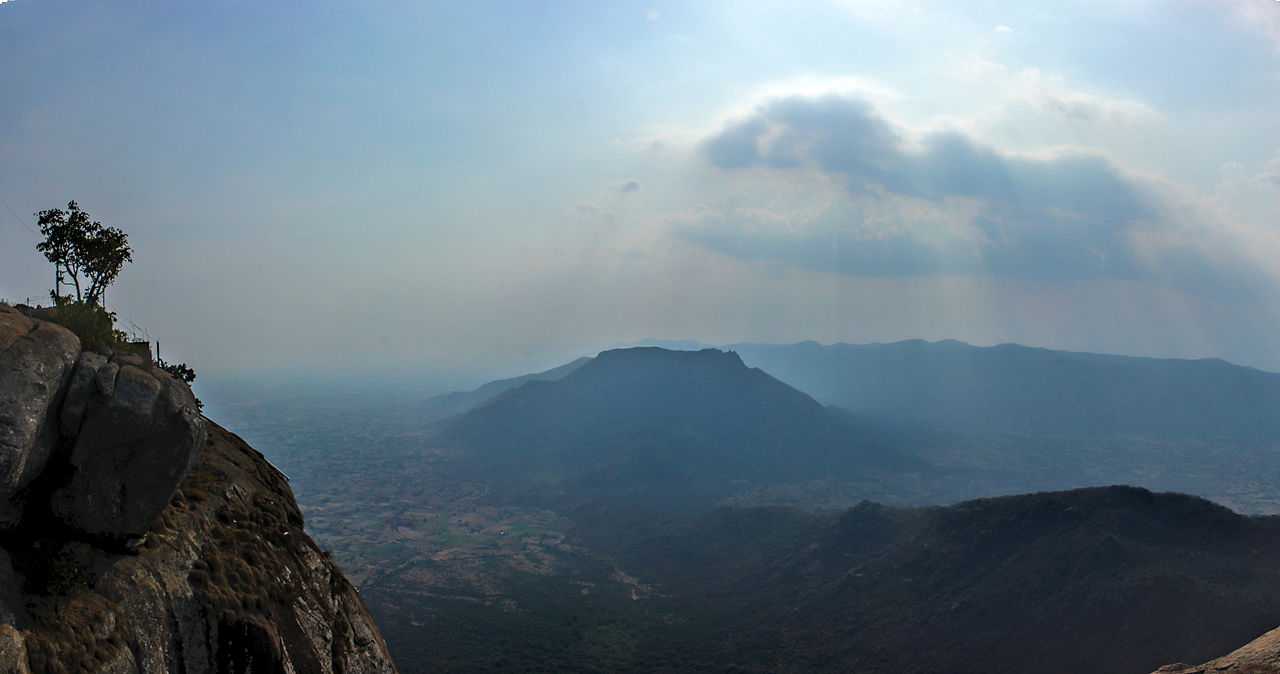
An image of Jawadhu Hills.

Synopsis: Environmental organisation Poovulagin Nanbargal strongly opposed a proposed pumped storage hydel power project by the Adani Group in the Jawadhu Hills region in Tamil Nadu. It warned that the project could cause irreversible environmental damage and threaten ecologically sensitive forest areas in the Eastern Ghats.
Environmental organisation Poovulagin Nanbargal strongly opposed a proposed pumped storage hydel power project by the Adani Group in the Jawadhu Hills region in Tamil Nadu, warning that the project could cause irreversible environmental damage and threaten ecologically sensitive forest areas in the Eastern Ghats.
In a statement issued on Monday, 29 June, the organisation said Adani Hydro Energy Fourteen Limited, a company belonging to the Adani Group, had sought environmental clearance from the Union government’s Expert Appraisal Committee on 15 June to set up a pumped storage hydel project at Allerii village near Arasampattu in the Vellore district.
According to the organisation, the project requires 337.45 hectares of land, of which 228.35 hectares fall within the Arasampattu reserve forest, posing a direct threat to dense forests and wildlife habitats in the region.
Poovulagin Nanbargal noted that the project is part of an agreement signed between the Tamil Nadu government and Adani Green in January 2024, under which the company committed to invest ₹24,500 crore over five years to establish three pumped storage power projects in Tamil Nadu. The Allerii project alone is estimated to cost ₹10,000 crore and generate 1,800 MW of electricity.
Also Read: Bar owners oppose steep hike in Tamil Nadu liquor licence fees
The organisation said the project site is home to several rare and ecologically significant species, including the Malabar Grey Hornbill, Indian Pangolin, Slender Loris, Leopard, Gaur, Sloth Bear, Indian Giant Squirrel, and the Jawadhu leaf-litter skink, a reptile species unique to the Jawadhu Hills region.
It further warned that the project area forms part of an important forest corridor connecting Jawadhu Hills and Amirthi forests, allowing free movement of wildlife. Large-scale construction activities and forest destruction, the organisation said, would severely disrupt this ecological balance.
The statement also raised concerns regarding the project’s water requirement, noting that water is proposed to be drawn from the Palar River near Virinjipuram, around 18 kilometres away, through pipelines that would pass through agricultural lands. According to the organisation, this could impact farming activities and groundwater availability in nearby villages.
Questioning the project’s economic viability, Poovulagin Nanbargal said project documents estimate electricity generation costs at ₹9.10 per unit, whereas solar and wind power can generate electricity at nearly ₹3 per unit. The group argued that investing in battery storage infrastructure for renewable energy would be cheaper and safer for the environment.
The organisation has urged the Tamil Nadu government to immediately cancel its agreements with the Adani Group and reject any future forest clearance requests for the project, arguing that the hydel project would lead to deforestation, habitat destruction, water scarcity and an additional financial burden on the state power utility.
(With inputs from Subash Chandra Bose.)



