

Published Nov 16, 2023 | 8:32 AM ⚊ Updated Nov 16, 2023 | 8:32 AM

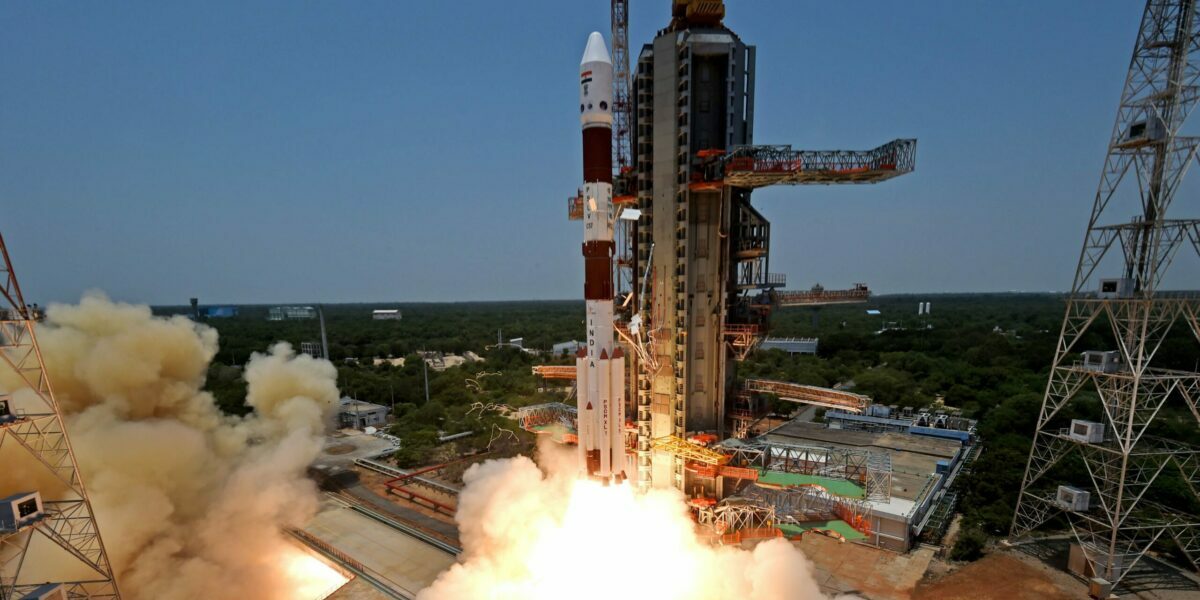
Aditya L1 was launched on 2 September from Satish Dhawan Space Centre at Sriharikota in Andhra Pradesh. (ISRO/X)

The cryogenic upper stage of the LVM3 M4 launch vehicle, which successfully injected the Chandrayaan-3 spacecraft into the intended orbit on 14 July this year, made an uncontrolled re-entry into the Earth’s atmosphere on Wednesday, 15 November, the ISRO said.
“The probable impact point was predicted over the North Pacific Ocean. The final ground track did not pass over India,” the Indian Space Research Organisation (ISRO) said in a statement.
This rocket body was part of the LVM-3 M4 launch vehicle, it said.
It re-entered the Earth’s atmosphere around 14:42 IST.
The re-entry of the rocket body took place within 124 days of its launch.
The post-mission orbital lifetime of the LVM3 M4 cryogenic upper stage is, thus, fully compliant with the “25-year rule” for low-Earth orbit objects as recommended by the Inter-Agency Space Debris Coordination Committee (IADC), the ISRO said.
Post the Chandrayaan-3 injection, the upper stage had also undergone “passivation” to remove all residual propellant and energy sources to minimise the risks of accidental explosions as per the space debris mitigation guidelines prescribed by the United Nations and IADC, it was stated.
“Passivation and post-mission disposal of this rocket body in adherence to the internationally accepted guidelines once again reaffirms India’s commitment to preserve the long-term sustainability of outer space activities,” the ISRO added.
(Disclaimer: The headline, subheads, and intro of this report along with the photos may have been reworked by South First. The rest of the content is from a syndicated feed, and has been edited for style.)



