

Published Dec 12, 2023 | 3:28 PM ⚊ Updated Dec 12, 2023 | 3:28 PM

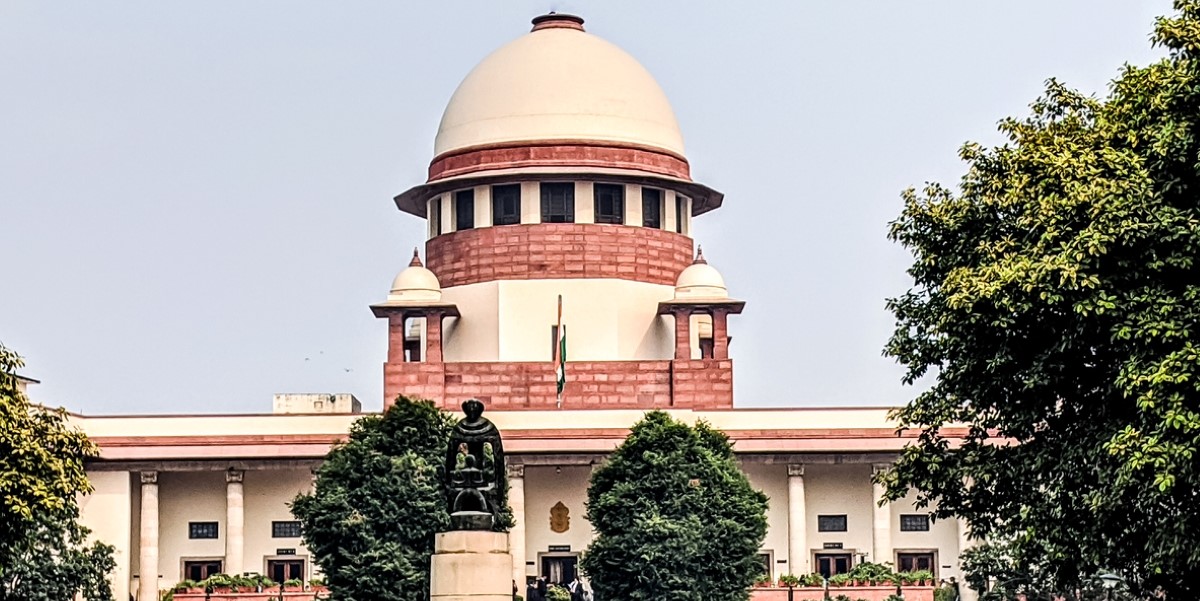
Supreme Court of India. (iStock)

The Union government has told the Supreme Court that it is not possible to collect data on illegal migrants living in various parts of the country as the entry of foreign nationals is clandestine and surreptitious.
In its affidavit filed in the top court, which is examining the constitutional validity of Section 6A of the Citizenship Act relating to illegal immigrants in Assam, the Union government said that 17,861 people have been granted citizenship under the provision.
Answering the court’s query posed on 7 December, the Union government said that 32,381 people have been detected as foreigners under the orders of the foreigners’ tribunal with reference to the period of 1966-1971.
Replying to the court’s query about the estimated inflow of illegal immigrants into India, including but not confined to Assam after 25 March 1971, the Union government said that illegal immigrants enter the country without valid travel documents in a clandestine and surreptitious manner.
“The detection, detention, and deportation of such illegally staying foreign nationals is a complex ongoing process. Since entry of such foreign nationals into the country is clandestine and surreptitious, it is not possible to collect accurate data of such illegal immigrants living in various parts of the country,” the Union government said.
The government said that in the past five years, from 2017 to 2022, 14,346 foreigners were deported.
Giving some figures, it said that 100 foreigners tribunal are presently working in Assam and as of 31 October 2023, more than 3.34 lakh cases have been disposed of.
It said that the number of cases pending before the Gauhati High Court, arising from the orders of the Foreigners Tribunal are 8,461 as of 1 December 2023.
The government gave details about the working of the Assam Police, fencing of borders, border patrols and other mechanisms adopted to dissuade infiltration.
On 7 December, the top court directed the Union government to provide data on the number of Bangladeshi immigrants granted Indian citizenship in Assam between 1 January 1966 and 25 March 1971.
A five-judge Constitution Bench, headed by Chief Justice DY Chandrachud, which is hearing a batch of pleas on the validity of Section 6A of the Citizenship Act had asked the state government to provide the data to the Union government for filing an affidavit.
It had also asked the Union government to inform it about the steps taken to deal with illegal immigration into India, particularly the northeastern states.
Section 6A of the Citizenship Act relates to illegal immigrants in Assam.
The provision was inserted into the Citizenship Act as a special provision to deal with the citizenship of people covered under the Assam Accord.
It says those who came to Assam on or after 1 January 1966 but before 25 March 1971 from specified territories, including Bangladesh, in accordance with the Citizenship Act amended in 1985, and since then are residents of the northeastern state, must register themselves under section 18 for acquiring Indian citizenship.
As a result, the provision fixes 25 March 1971, as the cut-off date for granting citizenship to Bangladeshi migrants in Assam.
(Disclaimer: The headline, subheads, and intro of this report along with the photos may have been reworked by South First. The rest of the content is from a syndicated feed, and has been edited for style.)



