

Published Feb 22, 2024 | 11:18 AM ⚊ Updated Feb 22, 2024 | 11:18 AM

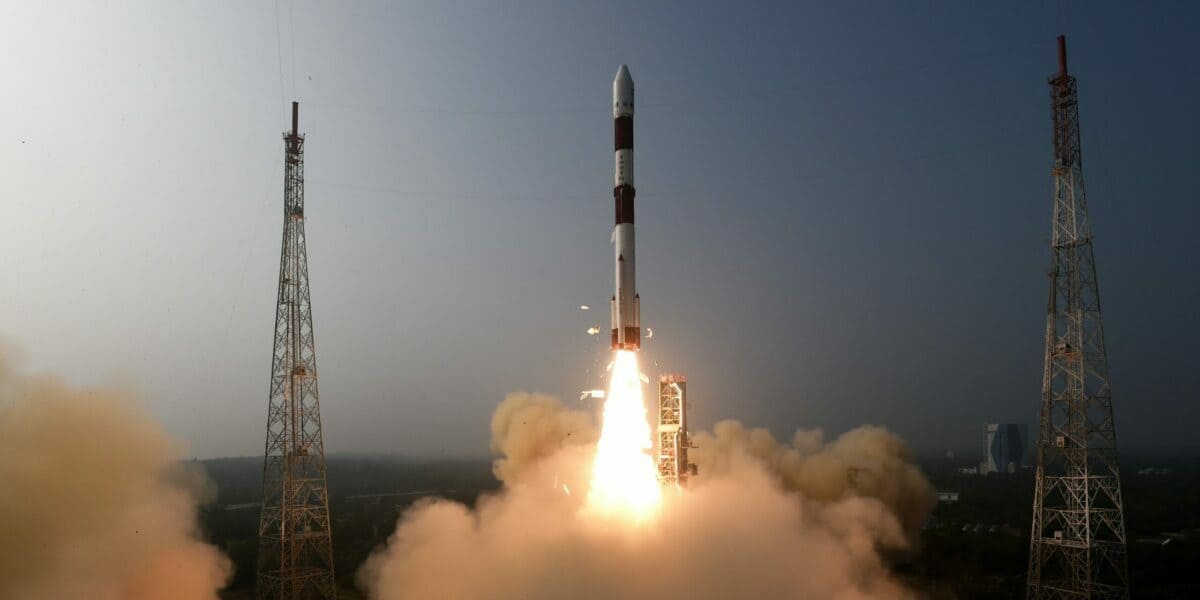
Up to 49 percent FDI is allowed through the automatic route for launch vehicles and associated systems or subsystems, the creation of spaceports for launching and receiving spacecraft. (Representational pic/X)

The government on Wednesday, 21 February, eased Foreign Direct Investment (FDI) norms in the space sector by allowing 100 percent overseas investment in making components for satellites, as part of efforts to attract overseas players and private companies into the segment.
The decision was taken at the Cabinet meeting chaired by Prime Minister Narendra Modi.
Now, the satellite sub-sector has been divided into three different activities with defined limits for foreign investment in each such sector, according to an official statement.
Currently, FDI in the space sector is allowed up to 100 percent in the area of satellite establishment and operations through government route only.
By changing the current policy, the government has allowed up to 74 percent FDI under automatic route in satellites-manufacturing and operation, satellite data products, and ground and user segments.
Beyond this limit, government approval will be required in these areas for FDI, it said.
Up to 49 percent FDI is allowed through the automatic route for launch vehicles and associated systems or subsystems, the creation of spaceports for launching and receiving spacecraft.
Beyond 49 percent, FDI in these activities would require government approval, it added.
Further, up to 100 percent overseas investments are permitted under the automatic route for manufacturing of components and systems/sub-systems for satellites, ground, and user segments.
This increased private sector participation would help generate employment, enable modern technology absorption, and make the sector self-reliant.
It is expected to integrate Indian companies into global value chains.
Through the decision, the government seeks to liberalise the FDI policy provisions in the space sector by prescribing easy entry routes and providing clarity for overseas investments in satellites, launch vehicles and associated systems or subsystems, creation of spaceports for launching and receiving spacecraft, and manufacturing of space-related components and systems.
With this, companies will be able to set up their manufacturing facilities within the country, duly encouraging the ‘Make In India’ initiatives of the government.
(Disclaimer: The headline, subheads, and intro of this report along with the photos may have been reworked by South First. The rest of the content is from a syndicated feed, and has been edited for style.)



