

Published Nov 07, 2023 | 7:46 PM ⚊ Updated Nov 07, 2023 | 7:46 PM

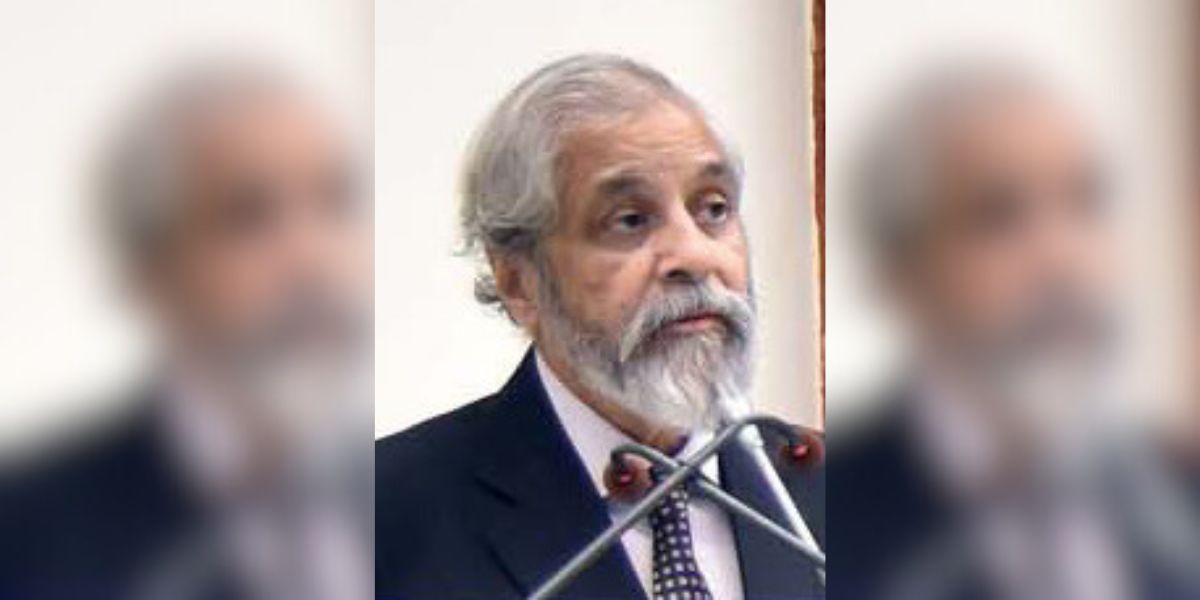
Justice (Retd) Madan B Lokur. (Creative Commons)

Courts seem to have forgotten the basic principle of grant or refusal of bail, retired Supreme Court judge Justice Madan B Lokur has said.
He also termed as “most unfortunate” the unwillingness of the judiciary to see through the designs of probe agencies like filing incomplete charge sheets and not providing documents just to keep the accused in jail.
Observing that the judiciary needs to wake up to the realities of life, the former apex court judge said in an interview with PTI that though it is very difficult to allege political vendetta in every corruption case involving politicians, suspicions arise when investigation is dropped if the suspect changes loyalties.
In response to a query on the denial of bail to AAP leader Manish Sisodia, Justice Lokur said, “Generally speaking, the courts seem to have forgotten the basic principles of granting or refusal of bail. Nowadays, if a person is arrested, you can rest assured that he will be in prison for a few months at least.
“The police first arrest the person, then start a serious investigation. An incomplete charge sheet is filed followed by a supplementary charge sheet and documents are not furnished. This is most unfortunate and what is troubling is that some courts are not willing to see through this.”
The judiciary needs to wake up to the realities of life as law books do not tell the whole story, Lokur said in response to a question as to how the judiciary should approach the issue of alleged misuse of investigative agencies by the government of the day both at the Centre and in states.
The former judge said the basic principles have been laid down by the apex court in several judgments for the exercise of discretionary power in bail matters.
“The problem is that some courts do not apply these basic principles, although they know them. The question is, why?” he said.
The Supreme Court on 30 October denied bail to former deputy chief minister Manish Sisodia in the corruption and money laundering cases related to the alleged Delhi excise policy scam. He was arrested by the CBI on 26 February.
Mincing no words about the trend of the rising number of corruption cases lodged by government agencies against political adversaries in recent years, Justice Lokur said though such things are not new, the problem is the trajectory of probes against suspects if they change political loyalties.
“Corruption cases against some politicians are not new. There are other criminal cases against some politicians. It is difficult to allege political vendetta in all cases, but there may be some truth in some cases. The troubling aspect of all this is that after investigations start and the suspect changes loyalties, the investigation is dropped. That gives rise to grave suspicion of political vendetta,” he told PTI in an interview via e-mail.
The former apex court judge hailed the present collegium system of appointment of judges in the higher judiciary and said it is the best available method.
“I have repeatedly been saying that the collegium system is the best available method of appointment of judges, but it needs some changes. This needs discussion. One important change is that the opacity of the government has to go. The government is more opaque than the collegiums,” Justice Lokur said.
Justice Lokur was elevated to the Supreme Court as a judge on 4 June, 2012, and demitted from office on 30 December, 2018.
Justice Lokur, as the apex court judge, dealt with cases on different aspects of the law — constitutional law, juvenile justice, and the alternate dispute redressal mechanism — besides playing an active role in the pursuit of judicial reforms like computerisation of courts, judicial education, legal aid, and legal services.
He was a part of the bench which adjudicated a writ petition on the privacy and identity of victims of sexual harassment where the court took the view that the privacy and reputation of victims should be protected and issued special directives to that end.
(Disclaimer: The headline, subheads, and intro of this report along with the photos may have been reworked by South First. The rest of the content is from a syndicated feed, and has been edited for style.)



