


Published Feb 17, 2024 | 2:01 PM ⚊ Updated Feb 17, 2024 | 2:01 PM

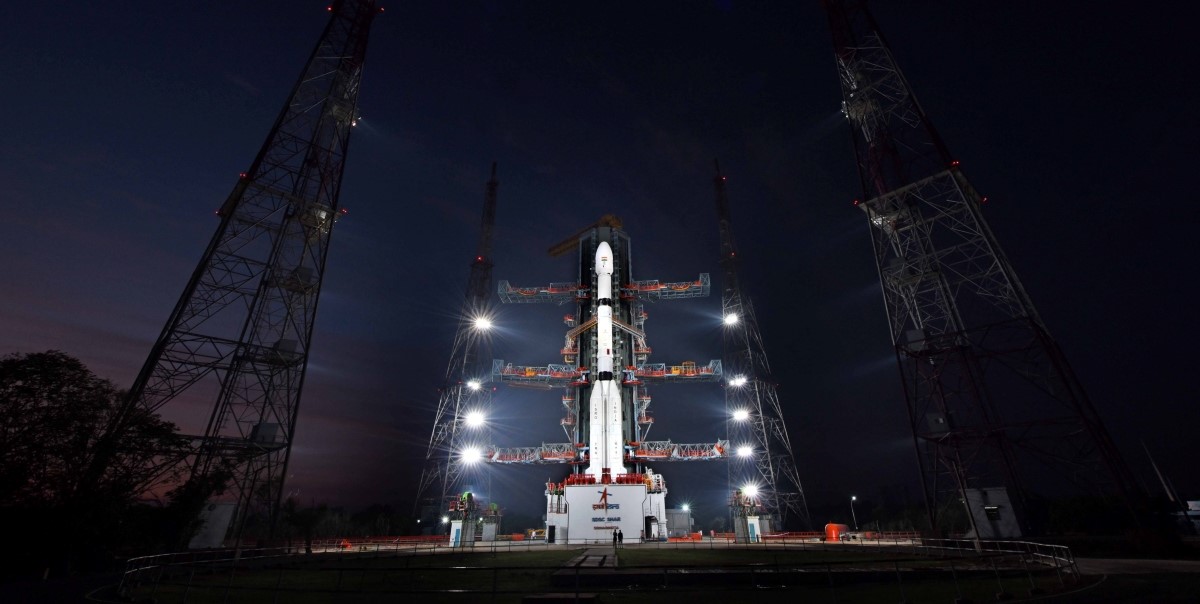
INSAT-3DS. (ISRO/ X)
The countdown for the launch of the INSAT-3DS meteorological satellite on board a Geosynchronous Launch Vehicle (GSLV) rocket is progressing smoothly, ISRO said on Saturday, 17 February.
The mission objective is to provide continuity of services to the existing operational INSAT-3D and INSAT-3DR for enhanced meteorological observations, monitoring of land and ocean surfaces for weather forecasting and disaster warning as well as to provide Satellite aided Research and Rescue Services.
The 27.5-hour countdown commenced at 2.30 pm on Friday, 16 February, from the Satish Dhawan Space Centre in Sriharikota, Andhra Pradesh, for the launch scheduled later in the evening on Saturday, at the pre-fixed time of 5.35 pm from the second launch pad.
GSLV-F14/INSAT-3DS Mission:
The launch is now scheduled at 17:35 Hrs. IST.
It can be watched LIVE from 17:00 Hrs. IST on
Website https://t.co/osrHMk7MZL
Facebook https://t.co/SAdLCrrAQX
YouTube https://t.co/IvlZd5tVi7
DD National TV Channel@DDNational @moesgoi #INSAT3DS— ISRO (@isro) February 15, 2024
The three-stage rocket, with a cryogenic upper stage, after a flight of about 20 minutes, is expected to separate the satellite Indian National Satellite System (INSAT) weighing 2,274 kgs from the GSLV rocket, to be placed into the Geosynchronous Transfer Orbit.
Later, scientists would conduct a series of manoeuvres to place into the Geo-stationary orbit to take place in the coming days.
The 51.7-metre tall rocket would carry imager payloads, sounder payloads, data relay transponders, and Satellite aided Search and Rescue transponders to study the cloud properties, fog, rainfall, snow cover, snow depth, fire, smoke, land and ocean, the space agency said.
Various departments of Ministry of Earth Sciences such as India Meteorological Department, National Centre for Medium Range Weather Forecasting, Indian Institute of Tropical Meteorology, National Institute of Ocean Technology, Indian National Centre for Ocean Information Services and various agencies and institutes would benefit from the data provided by INSAT-3DS to provide improved weather forecasts and meteorological services.
The life of the INSAT-3DS mission is expected to be around 10 years, sources said.
Saturday’s mission is the second for ISRO in 2024 after the successful launch of PSLV-C58/EXPOSAT on 1 January.
(Disclaimer: The headline, subheads, and intro of this report along with the photos may have been reworked by South First. The rest of the content is from a syndicated feed, and has been edited for style.)


