

Published May 05, 2023 | 2:31 PM ⚊ Updated May 05, 2023 | 2:31 PM

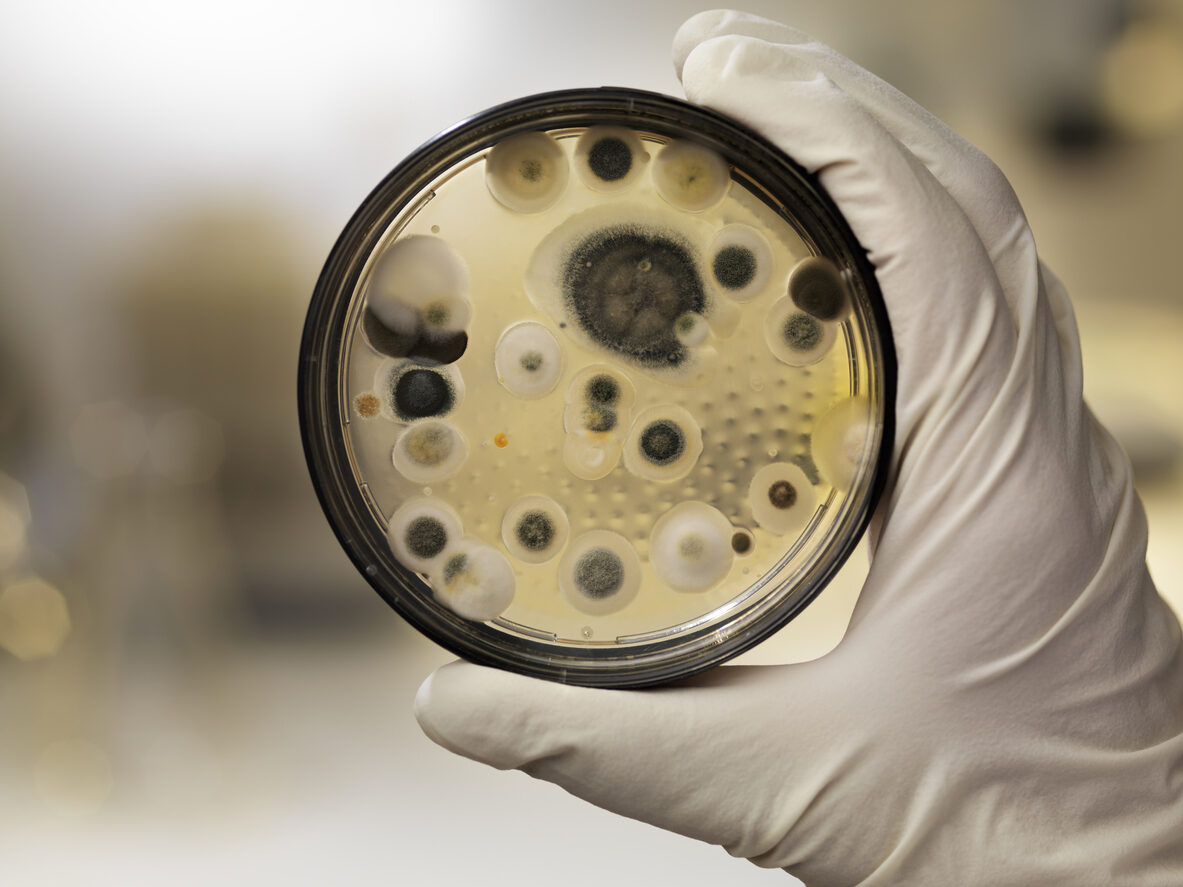
Chytridiomycosis has a new diagnosis. (iStock)

Researchers from the CSIR-Centre for Cellular and Molecular Biology (CCMB) in Hyderabad, in collaboration with scientists in Australia and Panama, have established a new test for a successful diagnosis of chytridiomycosis in amphibians, the CCMB said on Thursday, 4 May.
Chytridiomycosis is an infectious disease in amphibians caused by two fungal pathogens — Batrachochytrium dendrobatidis (Bd) and Batrachochytrium salamandrivorans (Bsal).
It has driven more than 90 amphibian species to extinction globally. Due to the unprecedented loss of amphibian diversity it has caused, the disease is referred to as the driver of the “amphibian apocalypse”, and its status is being closely monitored globally.
The researchers have developed and validated a new marker for the disease, and it has now been published in the journal Transboundary and Emerging Diseases, according to a CCMB release.
The team comprising PhD scholars, researchers, and scientists from CCMB, Bangalore University, Padmaja Naidu Zoological Park and Ashoka University in India, University of New South Wales, James Cook University in Australia, and Smithsonian Tropical Research Institute in Panama, have tested the new marker on several amphibian species including frogs, toads, caecilians (limbless amphibians) and salamanders (tailed amphibians).
The study reported 70 percent of amphibians with chytridiomycosis infection, an almost eight times higher prevalence than the previous reports from India.
Surveillance and monitoring must be effective to track infection in amphibian populations, especially in regions where Bd fungus has become enzootic — where the pathogen is restricted and does not cause death.
“Our previous work on Bd fungus in India had shown that existing diagnostic assays are not sensitive. A universal, sensitive, specific, repeatable, and affordable diagnostic test is, thus, required to perform surveillance of chytridiomycosis efficiently. Our new diagnostic test works well in India, Australia, and Panama. Its efficiency is comparable to the gold-standard test recommended for chytridiomycosis,” said Karthikeyan Vasudevan, the lead scientist from CCMB in the study.
“The new test can promote widespread efficient surveillance of chytridiomycosis in different parts of the world, and it might lead to new insights into the pathway of transmission and infection,” he said.
(Disclaimer: The headline, subheads, and intro of this report along with the photos may have been reworked by South First. The rest of the content is from a syndicated feed, and has been edited for style.)



