
Published Dec 08, 2025 | 7:00 AM ⚊ Updated Dec 08, 2025 | 7:02 AM

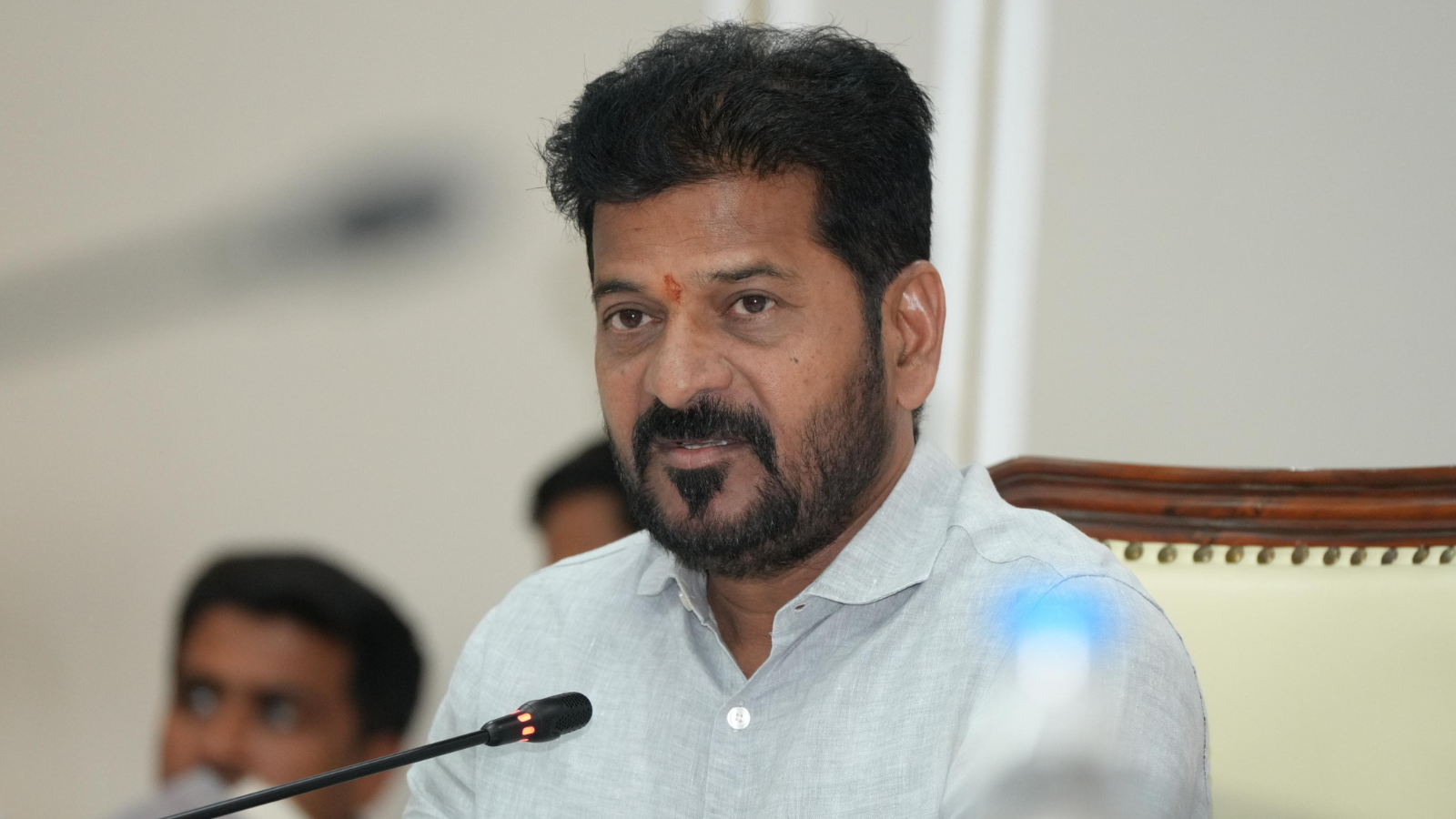
Telangana Chief Minister Revanth Reddy
Synopsis: A government without empathy becomes a purely mechanical administration. Visions that ignore people never succeed. All talk is of IT, pharma, and real estate—but there are no plans for improving local livelihoods, promoting industries based on local resources, or creating employment rooted in local skills. Unfortunately, on the issues of Telangana identity, BC aspirations, and development models, there is little difference between the BRS government and the present one.
It is hard to understand what exactly Telangana Chief Minister Revanth Reddy is thinking, or whether he or his advisers have any clear policy at all.
Despite being aware of the objections and criticism raised by Telangana activists in the past regarding the statues of former Chief Ministers NT Rama Rao and K Rosaiah, why is Revanth once again behaving in a way that needlessly courts controversy?
By granting permission for a statue installation at Ravindra Bharathi, he has created a situation that appears disrespectful to playback singer Balasubrahmanyam.
Why would Telangana activists be interested in putting SPB in a “dock” and passing urgent judgments on him? Like all Telugu people, the people of Telangana have always savoured his songs. He has admirers everywhere, including here.
No one is debating whether he deserves a statue or whether a statue should exist at all. That is not the issue. The only question in dispute is the timing and the location of the statue.
This debate has nothing to do with the people of Andhra Pradesh. Their involvement is unnecessary. This is a tiff between the Telangana government and the Telangana movement groups.
After the formation of the separate state, it is only natural that Telangana icons should have statues and memorials.
The government must take responsibility for this. At the very least, it must ensure regional justice when allocating space on government land. If that minimum consideration is not there, and if the same old practices of the undivided state continue, then what is the point of achieving statehood at all?
After suitably celebrating Telangana’s own icons, giving space to others should not invite objections. Statues and symbols should be installed with honour, not amidst controversy. But from the beginning, Revanth Reddy has acted without sensitivity towards Telangana’s cultural symbols.
The redesigned Telangana Talli statue, the Rajiv Gandhi statue at the Secretariat, and the changes to state emblems—each of these caused deep hurt to activists and to Telangana society.
Critics already accuse Revanth of toeing Andhra Pradesh Chief Minister Chandrababu Naidu’s line; if he continues behaving in ways that justify that perception, it will only solidify further.
Former Chief Minister K Chandrashekar Rao’s defeat does not mean Telangana’s rejection of Telangana ideology. If Revanth believes that, and wants to “cleanse” Telangana entirely, he is mistaken.
KCR was defeated because he drifted away from Telangana identity. If Revanth repeatedly displays a unified-Andhra mindset through his actions, it will cause him enormous political damage.
History shows that emotions play a crucial role in Indian politics. Backward classes who aspire to greater political representation and empowerment should be treated with understanding, not deceived or manipulated through superficial emotional gestures.
If parties try to paint over genuine social feelings with cosmetic moves, it will eventually lead to turmoil. Telangana Congress and all political parties must realise this.
Rahul Gandhi campaigns across India that Telangana should become a national model for caste census and increased BC opportunities. Yet, in Telangana, what is happening is mere “show.”
Everyone knows what the Supreme Court’s stance is on reservations, how much validity ordinances and resolutions carry, what hurdles exist for crossing the 42 percent cap, and how reluctant upper-caste-dominated political systems will be to implement such measures.
So why mislead people? Why are all parties pushing BC faces to the front while playing their own political games behind the scenes? Who is responsible for Sai Eshwarachari’s self-immolation?
If BC identity politics had been as deeply rooted as Telangana sentiment, and if emotions had flared similarly, Chari’s death would have shaken the government and the political system like an earthquake.
Parties—especially Congress—must introspect on the gravity of the crime they are committing by inflaming emotions without considering consequences.
Eshwarachari’s suicide may fade temporarily amid tears and hollow words, but his memory will continue to echo in future fights for rightful representation.
It will morally question leaders who compromise and inspire those who continue the struggle. No one should resort to such extreme action, but the questions raised by his death must be faced.
Political leadership must learn to respect sentiments, understand cultural aspects, and stop playing with people’s emotions. A government without empathy becomes a purely mechanical administration.
Visions that ignore people never succeed. Reading the policy papers for the upcoming summit in the Fourth City only reminds one of the failed Vision 2020: complete urbanisation inside the ORR, industrialisation up to the RRR, and then agriculture, if anything remains.
All talk is of IT, pharma, and real estate—but there are no plans for improving local livelihoods, promoting industries based on local resources, or creating employment rooted in local skills. If Rahul Gandhi attends the summit and repeats his lofty ideals, it will stand in stark contradiction to his caste-census campaign.
Unfortunately, on the issues of Telangana identity, BC aspirations, and development models, there is little difference between the BRS government and the present one.
At least during KCR’s tenure, there were some concessions. Both sides now seem focused primarily on attracting the migrant population living in Telangana. The lukewarm reactions of BRS leaders to Pawan Kalyan’s speeches and the statue controversy reflect this. Migrants who have settled as Telangana residents do not want controversies like statue disputes.
Prof Haragopal often recalls a piece of advice he gave KCR soon after he assumed office as the chief minister: “History has given you a great opportunity. You played a role in achieving a state; now you have gained people’s approval by governing it. Use this opportunity wisely.”
Whether KCR truly heeded this, or how well he used that extraordinary opportunity, is a separate matter. Today, history has given Revanth Reddy a similar opportunity. The fact that Telangana people chose him after rejecting KCR is remarkable. He can use this moment wisely and earn a permanent place in history.
Or he may choose to ignore people’s minds, aspirations, and expectations, and govern in whatever manner he thinks fit—or in the manner the rest of the world governs. The choice is left to him.
(Edited by Dese Gowda)


