

Published Feb 01, 2026 | 2:18 PM ⚊ Updated Feb 01, 2026 | 3:04 PM

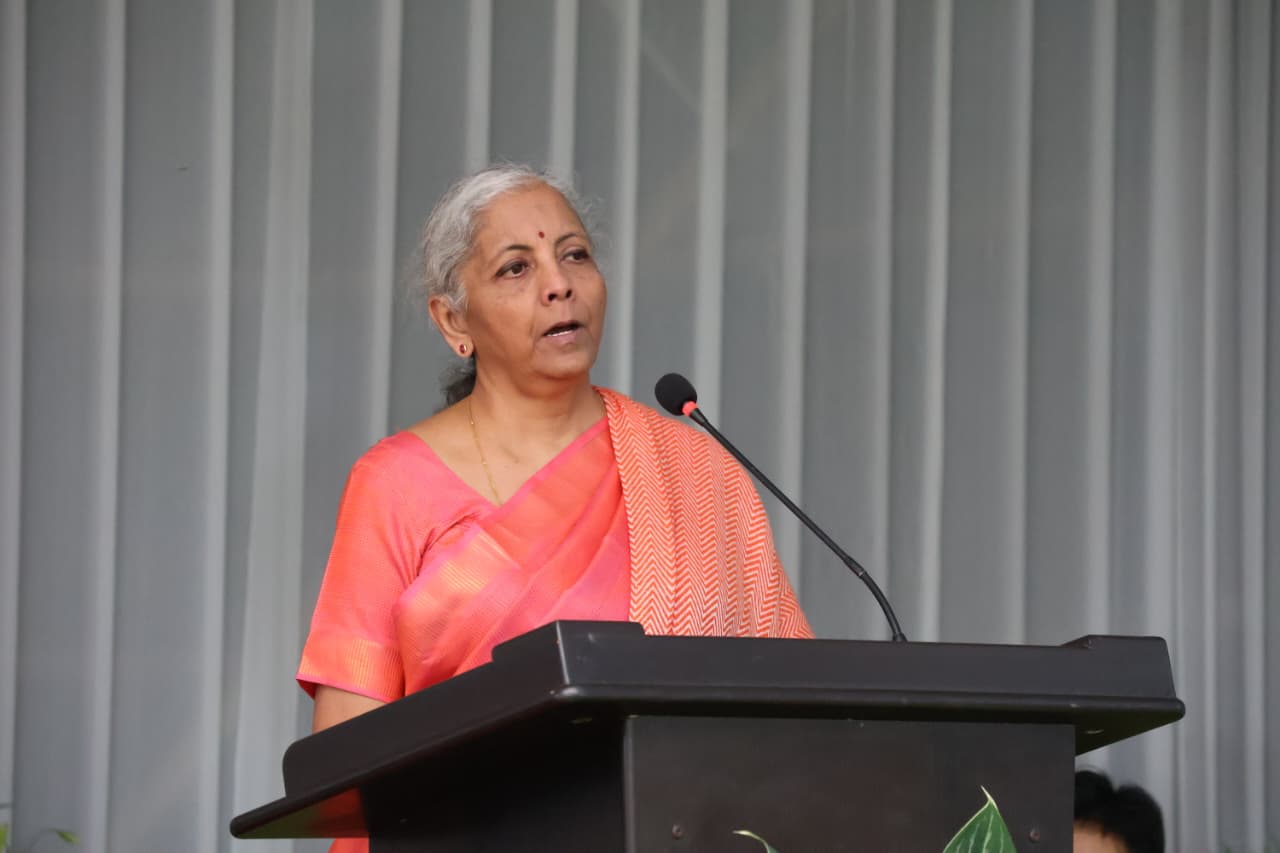
Union Finance Minister Nirmala Sitharaman. Credit: x.com/nsitharamanoffc
Synopsis: Union Budget 2026 has retained states’ share of central taxes at 41%, rejecting demands from over 22 states to raise it to 50%. This decision, based on the 16th Finance Commission’s recommendations, curtails fiscal autonomy, leaving states with reduced flexibility for welfare, infrastructure, and deficit management, deepening Centre–State tensions and straining cooperative federalism.
The Union Budget 2026 has retained the vertical devolution of central taxes to states at 41 percent, citing the recommendations of the 16th Finance Commission. This comes despite demands from over 22 states to raise the share to 50 percent, a move they argued was essential to meet rising expenditure obligations.
The decision is seen as a major setback for states’ fiscal prospects. With the end of GST compensation in 2022 and mounting debt burdens, states had hoped for a larger chunk of central revenues to sustain welfare schemes, infrastructure projects, and social spending.
As per experts, status quo on devolution will force states to either cut back on welfare programs or increase borrowings, pushing fiscal deficits higher. Poorer states such as Bihar and Odisha, which rely heavily on central transfers, are expected to be hit harder than resource-rich states.
The decision to not increase tax share to states comes at a time the union government has been continuously levying Cess and Surcharges which are not part of the divisible pool of taxes. In effect, the Union government has been collecting more Cess and Surcharges but has been refusing to share it with the states, which are already under fiscal strain, by refusing to make it part of funds meant for devolution.
The Centre has earmarked ₹1.4 lakh crore in Finance Commission grants for local bodies and disaster relief, but these are tied funds, limiting flexibility. States argue that the current arrangement deepens dependence on centrally sponsored schemes and undermines fiscal federalism.
Politically, this can act as a catalyst to the growing Centre–State disputes, particularly in Opposition-ruled states, which accuse the Centre of step-motherly attitude. Several states are expected to intensify lobbying for mid-term revision of devolution or push for reforms in GST to regain fiscal autonomy.
The Finance Commission decides tax devolution based on financial and fiscal health of the state. Several factors like the states’ income, health, education, HDI, population etc are taken into account before taking the final call on devolution.
States like Tamil Nadu, Telangana, Karnataka, and Kerala have long demanded an equal and balanced share in tax revenue. They argue that Finance Commission’s norms put them at a disadvantage even though they’re low in population and high on economic growth – helping them contribute more to the Centre’s coffers compared to several northern states.
To summarise, the retention of 41 percent vertical devolution constrains states’ ability to expand welfare, invest in infrastructure, and manage deficits – posing a serious challenge to India’s federal balance.


