


Published Jan 09, 2026 | 11:25 AM ⚊ Updated Jan 09, 2026 | 11:26 AM

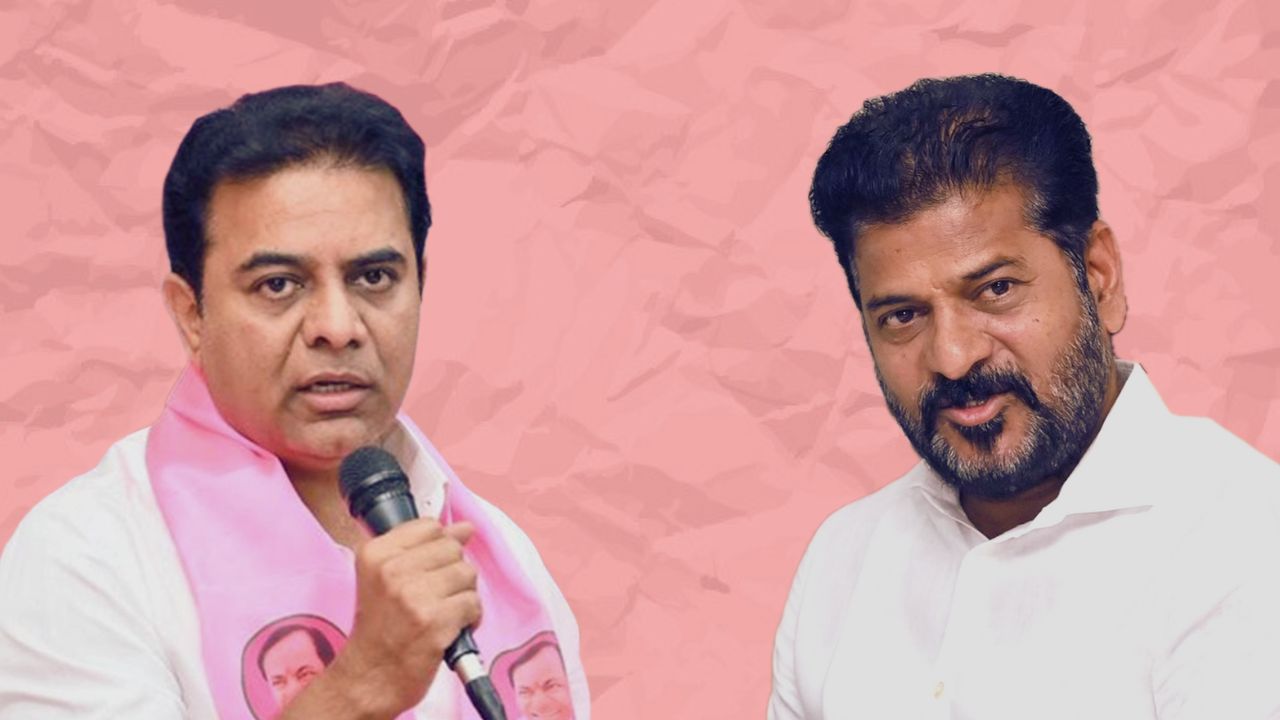
Revanth Reddy and KT Rama Rao
Synopsis: YouTubers are increasingly adopting paparazzi-like tactics to capture unscripted moments of political leaders. From a Telangana perspective, it is not only inadvisable but potentially hazardous, which clashes with legal safeguards, cultural respect for public figures, and national security imperatives.
In the age of smartphones and instant virality, YouTubers are increasingly adopting paparazzi-like tactics to capture unscripted moments of political leaders — tracking movements, filming private outings, or ambushing them for reactions. What starts as “public interest” content often veers into intrusive surveillance, raising profound concerns about privacy, security, and ethics.
In India, where politicians face heightened threats, this trend is particularly alarming. From a Telangana perspective, it is not only inadvisable but potentially hazardous, which clashes with legal safeguards, cultural respect for public figures, and national security imperatives.
Political leaders in India are constant targets of public scrutiny, but the rise of amateur YouTubers has intensified intrusions. National figures like Rahul Gandhi routinely encounter chaotic crowds during rallies and yatras, with incidents of mobbing underscoring safety risks. During his recent campaigns, supporters and onlookers have surged uncontrollably, requiring heavy security interventions.
Deliberate stalking by content creators — for exclusive footage of homes, family moments, or off-duty activities — amplifies dangers, potentially endangering leaders and bystanders.
In Telangana, the political landscape is charged, with leaders like Chief Minister A Revanth Reddy and BRS Working President KT Rama Rao (KTR) navigating intense rivalries. While not yet plagued by systematic paparazzi chasing, the state has witnessed swift action against social media misuse.
In March 2025, Hyderabad police arrested two YouTubers associated with Pulse News for circulating derogatory and abusive content targeting Revanth Reddy, including provocative interviews deemed defamatory.
The arrests highlighted how online content can incite unrest, with police invoking provisions under the Information. Technology (IT) Act. Revanth Reddy himself publicly warned against “fake journalists” on YouTube spreading malicious campaigns, emphasising the need to curb unchecked sensationalism.
More gravely, recent national cases illustrate how YouTuber pursuits can mask or enable espionage. In 2025, several influencers were arrested for alleged ties to Pakistan’s ISI, including Haryana-based Jyoti Malhotra (Travel with JO channel) and Punjab’s Jasbir Singh (Jaan Mahal channel with over 1.1 million subscribers). These creators, under the guise of vlogging and travel content, allegedly shared sensitive information.
Police noted that the pursuit of views and followers lured them into traps, but the implications are chilling: If YouTubers begin aggressively “paparazzi-ing” political leaders — tracking routines, events, or residences — it could inadvertently (or deliberately) expose vulnerabilities to hostile entities.
From Telangana’s viewpoint, this trend is deeply concerning. Hyderabad, a hub of political activity, values decorum in public interactions. Leaders like Revanth Reddy and KTR operate with SPG-level security protocols due to threats; amateur stalking could breach perimeters, compromise safety, or fuel misinformation.
The state has proactively cracked down on digital abuses, with arrests for fake news, deepfakes, and objectionable posts. Importing aggressive paparazzi culture risks escalating tensions in an already polarised environment, where verbal spats between leaders quickly go viral.
Legally, India’s framework offers robust protections. Privacy is a fundamental right under Article 21 (Puttaswamy judgment, 2017), applicable even to public figures in private spheres. Stalking falls under Section 354D of IPC, while persistent harassment or non-consensual filming of intimate moments invites lawsuits for invasion of privacy or defamation.
The Official Secrets Act applies if sensitive details are involved. YouTube’s community guidelines allow removals for privacy violations or doxxing. Ethically, this “spying” dehumanises leaders, turning public service into a spectacle and normalising voyeurism for monetisation.
Crowd dynamics add another layer: Political rallies often descend into chaos, as seen in national stampedes or mobbing incidents. YouTubers chasing exclusives could trigger similar escalations, endangering everyone involved.
Is it advisable? Resoundingly no. While journalism and accountability are vital, freedom of expression does not extend to stalking or endangering lives.
In India, particularly Telangana, where governance emphasises respect and development over drama, this paparazzi-style intrusion invites legal backlash, security breaches, and societal erosion.
YouTubers should channel efforts into ethical content: Policy analysis, interviews, or public event coverage with consent. Political leaders deserve dignity and safety; viral views cannot justify violating that.
Telangana’s firm stance against digital misuse sets a precedent — importing this trend would undermine it, fostering chaos over constructive discourse.
(Views are personal.)


