

Published May 08, 2026 | 9:10 AM ⚊ Updated May 08, 2026 | 9:10 AM

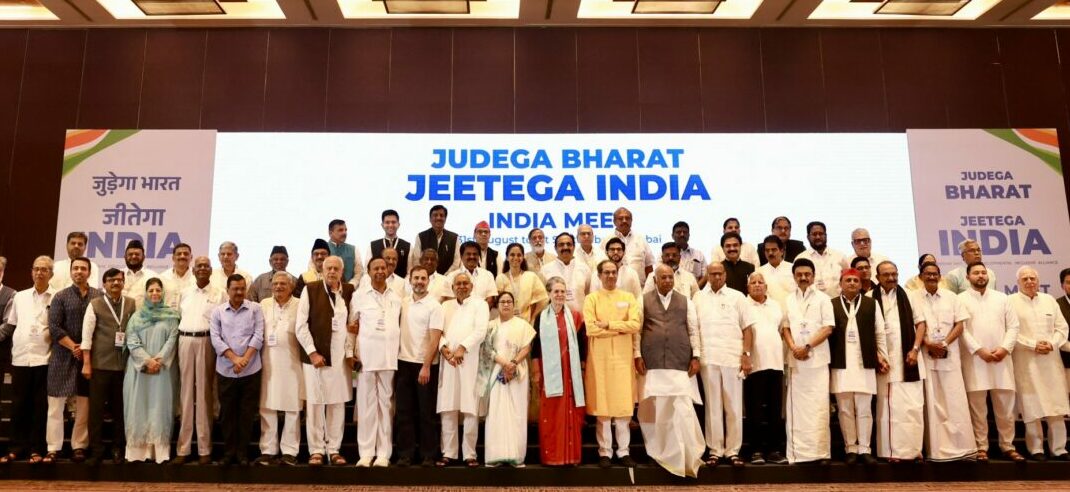
File photo of Opposition bloc INDIA meeting in Mumbai.

Synopsis: The Opposition alliance, the INDIA bloc, can survive only with the Congress proving to its allies whether it will stand by them during tough times or abandon them when a better option appears. Congress must choose whether it wants to lead a reliable and united Opposition front or risk going alone through repeated tactical moves.
Will the INDIA bloc survive this challenging hour? Both yes and no. In some contexts, it is likely to survive if it retains the faith of DMK like friends and not if the same party feels belittled with the sudden, hasty decision of Congress.
Recent Assembly elections in five states — Assam, Kerala, Tamil Nadu, West Bengal, and Puducherry — have pushed the Opposition alliance to a breaking point. The Congress party’s swift strategic shifts for short-term gains have left long-time allies feeling betrayed.
At a time when a united front against the BJP-led NDA is most needed, the grand Opposition platform appears to be cracking under the pressure of self-interest and poor coordination.
The poll results offered a mixed bag for political parties. The BJP-led NDA strengthened its position in Assam with a decisive third term and a massive majority. In West Bengal, the BJP scored a stunning landslide victory, breaking TMC’s dominance in a historic shift. Puducherry too saw the NDA comfortably retain power.
These outcomes highlight the ruling alliance’s strong organisation, clear messaging, and ability to connect with voters on development and local issues.
Also Read: When AIADMK was broached in DMK meeting — Why allies hold the key
Kerala provided some relief for the Congress. The UDF, led by the party, made a strong comeback. It crossed the majority mark in the 140-member Assembly by tapping into anti-incumbency against the LDF. This success showed that Congress can still win when it builds a focused local alliance and addresses people’s immediate concerns.
However, Tamil Nadu turned into the biggest flashpoint for the INDIA bloc. Actor-turned-politician Vijay’s Tamilaga Vettri Kazhagam (TVK) emerged as the single largest party with around 108 seats in the 234-member house, short of a majority. The DMK trailed behind, while the AIADMK lagged further.
In a dramatic post-poll move, Congress — with its limited seats — quickly extended support to TVK to form the government. This effectively ended its long-standing partnership with the DMK.
DMK leaders expressed deep anger. They described the move as a “backstab” after years of working together in both state and national politics. Some senior leaders even declared that the INDIA bloc was “over” at the national level.
Congress defended its decision as practical politics aimed at respecting the voters’ mandate and preventing any NDA foothold in the South. Rahul Gandhi is said to have reached out to both sides, but the damage to trust was already done. Reports suggest the new understanding with TVK may continue into future elections.
This development has exposed deeper flaws in Congress’s approach. The party often appears driven by immediate power calculations rather than long-term loyalty. Even during the Tamil Nadu campaign, there were visible signs of distance from the DMK. Such post-poll flexibility might bring temporary victories, but it risks turning allies away. Partners are now asking whether Congress will stand by them during tough times or abandon them when a better option appears.
Similar doubts have arisen in the past in states like Bihar and Maharashtra. The INDIA bloc was always a loose arrangement rather than a tightly bound ideological group. It helped avoid direct contests and pool anti-BJP votes in the 2024 Lok Sabha elections with some success. But state-level polls repeatedly show its fragility.
Regional parties have their own strong priorities and local equations. When Congress is seen as unpredictable, smaller allies feel insecure and begin to look for independent options. Even the TMC in West Bengal, reeling from its own losses, may now think twice before committing fully at the national level.
Congress faces serious internal challenges as well. Its organisational strength on the ground remains weak in many parts of the country. It relies heavily on national leaders and big campaigners for visibility. While this brings attention, it often leaves regional units and alliance partners feeling neglected. In some states, confusing signals or friendly contests led to a split in anti-NDA votes, as seen in Puducherry.
Those supporting Congress’s decisions argue that politics requires flexibility. Rigid alliances can sometimes become liabilities. By backing TVK in the hung Assembly, the party helped block NDA expansion in an important southern state. Vijay’s party has shown some positive signals towards national opposition voices.
The strong performance in Kerala also proves that smart, locally tailored alliances can still deliver results. Congress believes it is adapting to changing ground realities instead of sticking to outdated arrangements.
Yet trust remains the foundation of any successful alliance. Once damaged, it is very difficult to rebuild. With Lok Sabha elections a few years away, a divided opposition only benefits the BJP. Indian voters are looking for a stable and credible alternative, not repeated stories of shifting loyalties and internal drama. As the largest national opposition party, Congress carries a special responsibility to keep the group united.
The five-state results provide important lessons. The NDA’s wins in three states demonstrate the power of strong governance and effective machinery. Congress’s success in Kerala shows its revival potential when it gets the basics right. The Tamil Nadu episode, however, serves as a warning against short-sighted decisions that weaken the larger opposition cause.
Also Read: Congress waits for white smoke as numbers, emotion and seniority collide
Going forward, Congress needs to strike a careful balance. It must strengthen its own grassroots base instead of depending completely on allies. Honest and clear communication with partners before and after elections is essential.
The party should also project a positive vision centred on jobs, welfare, education, and social justice, going beyond just criticising the government in power. True loyalty to allies builds lasting strength, while constant recalibration may fetch quick wins but lead to long-term isolation.
At this challenging hour, the survival of the INDIA bloc hangs in the balance. Congress must choose whether it wants to lead a reliable and united Opposition front or risk going alone through repeated tactical moves. Indian democracy needs strong checks and balances. Voters across the five states have shown they reward performance and punish complacency. They expect political parties to place people’s interests above power games.
The coming months will be decisive. Honest reflection and timely course correction can still revive both Congress and the broader opposition unity.
Without these steps, the INDIA bloc may slowly fade, leaving the field wide open for the NDA. The five-state verdict is more than election numbers — it is a clear wake-up call for the entire Opposition.
(Views are personal.)



