

Published Nov 20, 2026 | 9:15 AM ⚊ Updated Nov 20, 2026 | 9:15 AM


On October 16, Odisha Police arrested doctor Randall Sequeira and Dalit activist Laxman Naik in Kalahandi district of Odisha, India, as part of the wider crackdown on opposition to mining projects in the region, led by Adivasi and Dalit communities. Both activists have been charged with offences including attempted murder and rioting, charges that civil society groups have condemned as being bogus and fabricated.
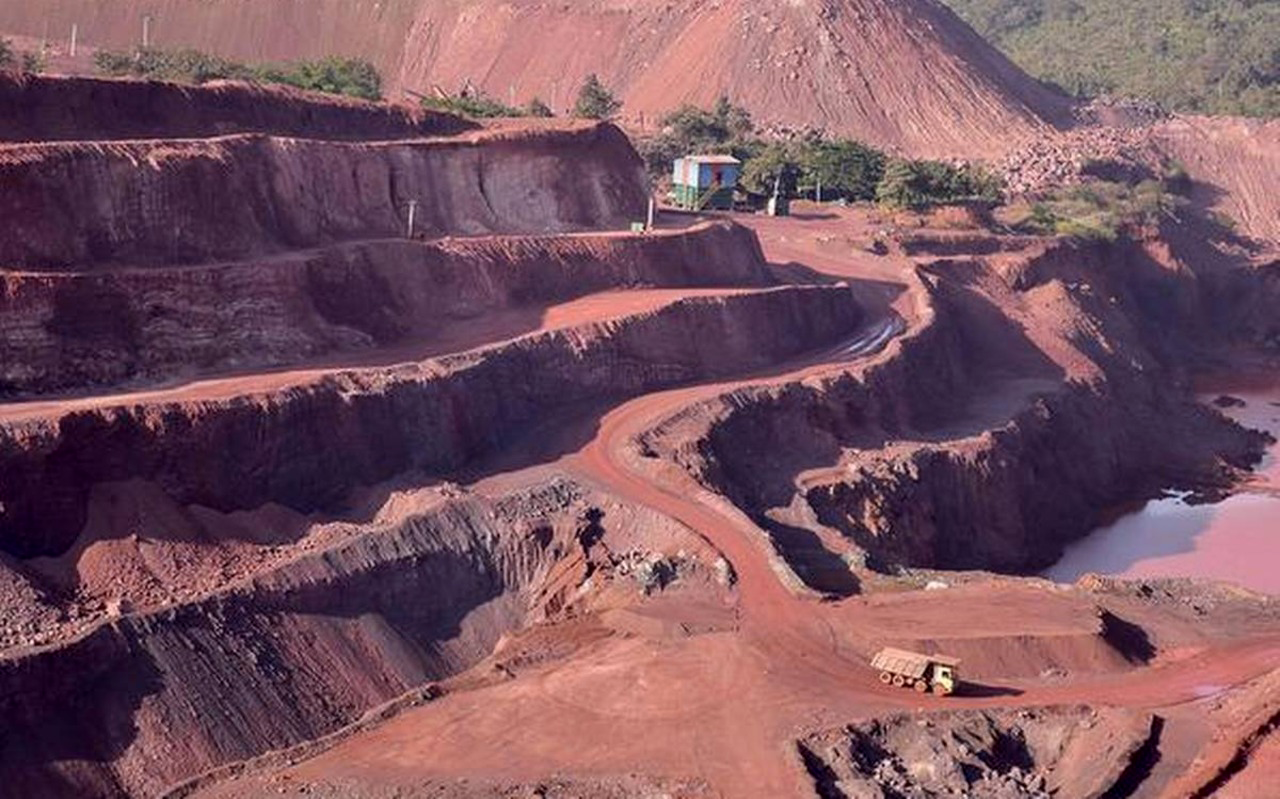
More than three years ago, in March 2023, the Odisha government had issued a fifty-year mining lease to Vedanta Ltd. for the extraction of bauxite from Rayagada and Kalahandi districts of Odisha. The project is planned across 1549 hectares of land, including 699 hectares of forest land and the Sijimali hills, which are considered sacred by indigenous communities residing in the region.
Both districts also fall under the Fifth Schedule of the Indian Constitution, which recognises the right to autonomy of Adivasi communities over their lands, laws, resources and institutions. The bauxite mine is expected to displace nearly 100 families from 18 villages and adversely affect the livelihood of more than 500 families.
In response, communities across the region have sustained massive protests against the project for over three years. Most recently, in April 2026, the district administration commenced the construction of a 2.98-kilometre-long road in the region to facilitate easier access to the Sijimali mining site. Local communities expressed strong opposition to the construction by organising peaceful demonstrations, despite the police issuing prohibitory orders restricting their constitutional right to assembly.
Between November 2023 and April 2024, the Human Rights Lawyering Clinic at the National Law School of India University, Bengaluru, studied in depth the human rights and environmental impact of the proposed bauxite mine in the region. Upon meticulous scrutiny of all project-related documents, including the project proposal, the draft Environmental Impact Assessment report, and the Environment and Conservation Management Plan, it was concluded that the proposed bauxite mine gravely violates the fundamental, constitutional, and human rights of Adivasis and other affected communities under both domestic and international law.
It was noted that the draft Environmental Impact Assessment report fails to accurately document the probable “permanent, irreparable, and irreversible harm to the forests, land, and biodiversity of the mining site and neighbouring areas” and egregiously distorts the potential impact on “long-term health of the affected communities due to air and water pollution,” and the impact of forced displacement and loss of livelihoods on affected communities.
Despite independent reports, civil society activists, lawyers and environmentalists highlighting serious irregularities and violations of due process, in December 2025 Vedanta received stage I forest clearance for the proposed mine. Subsequently, through a letter dated May 5, 2026, the Union Ministry of Environment, Forests & Climate Change also issued final forest clearance to the Odisha Government for the construction of the 2.98 km road in Rayagada for the transportation of bauxite across the region, which will involve the diversion of at least 4.911 hectares of forest land.
At the heart of the resistance to the proposed mine in the region is the violation of a fundamental right.
Free, Prior, and Informed Consent (FPIC) is a collective human right of Indigenous communities to provide or withhold consent prior to the commencement of any activity that may affect their rights, land, resources, livelihoods and security.
The right, as codified under both domestic and international law, not only mandates ensuring that Scheduled Tribes and Other Forest Dwelling Communities are consulted and their consent is obtained before utilisation of their land for any purpose, but also demands that the consent proceedings are conducted in a manner that safeguards the inherent right to autonomy and self-determination of such communities over their land and resources. The state has an obligation to undertake all measures to ensure that consent proceedings are free from coercion, violence, duress and intimidation.
What has transpired in Rayagada and Kalahandi districts of Odisha since the Odisha government issued a fifty-year mining lease to Vedanta has been anything but the facilitation of a ‘free, prior, and informed consent’ process.
Not only is there well-documented evidence of widespread discrepancies, including forgery of signatures and the orchestration of fake gram sabha meetings to demonstrate consent on behalf of the community. But the State machinery has also been deployed at every level through heightened levels of securitisation and policing to construct and maintain an atmosphere of repression, fear and intimidation.
Since early August 2023, several villages in the district have witnessed the continuous widespread use of police force in the form of midnight raids, disruption of public assemblies, arrests of community leaders and illegal detentions.
The repression escalated in April 2026, when the police, along with private persons, carried out raids and attacks in the region. Community members were subjected to tear gas shells and beaten up with lathis. More than 100 persons were injured in violence that broke out between the police and local communities.
The state has also used the legal machinery to sustain a system of revolving-door arrests and prosecutions designed to exhaust the local people, disrupt their organisation, and wear down their spirit. Multiple cases have been filed against community leaders, activists out on bail have been re-arrested, and multiple open-ended FIRs have been filed against hundreds of named and unnamed persons under the Indian Penal Code as well as the anti-terror law UAPA on charges of terror, rioting, attempted murder and abduction.
Lado Sikaka, an Adivasi leader who has been implicated in around 15 cases, was re-arrested on September 10, 2026, based on a fourteen-year-old case, on charges alleging that he was a member of a Maoist organisation.
Lingraj Azad, president of the Samajwadi Jan Parishad, was arrested and re-arrested alongside Suresh Sangram in March 2026 despite a court-granted bail.
Dalit activist and farmer Hiramal Nayak was arrested again in 2026, after having spent six months in jail the previous year.
The FIR based on which Dr Randall Sequeira was recently arrested alongside Laxman Naik, was also an open-ended FIR where they were allegedly identified from a category of 100 unnamed “others” in the original FIR registered in Rayagada district.
The Human Rights Forum, in a statement, observed that the “practice of implicating activists in successive cases, even after they secure bail, exposes how criminal proceedings are being used to keep the leadership of a popular movement behind bars and intimidate those who continue to resist.”
Shomona Khanna in Criminalisation of Adivasis and the Indian Legal System documents how special security laws such as the Unlawful Activities (Prevention) Act, 1967, have historically been used in forest lands to perpetuate mass criminalisation of Adivasi and all other forest-dwelling communities simply because they are opposed to the inroads being made by the state and large capital into their constitutionally protected lands.
Any kind of opposition to the state and its promise of a specific kind of development, which involves ‘promotion of large capital, foreign direct investment (“FDI”) and domination of the means of production by private corporate entities’, is deemed as ‘anti-national’, ‘anti-growth’ and therefore criminal.
The recent arrests of Randall Sequeira and Laxman Naik are not isolated incidents of state repression but are rather evidence of the systematic violence that has been sustained against adivasi and other forest-dwelling communities across the country for decades for their refusal to allow the state and private capital to usurp their land, forests and resources.
As communities continue to put their bodies on the line, enduring the loss of their liberties, livelihoods and safety to fight for our collective futures, the state and its police machinery remain as emboldened as ever, heightening repression under the silent, shameful gaze of the complicit majority.
(Views are personal. Edited by R Rajesh Kumar.)



